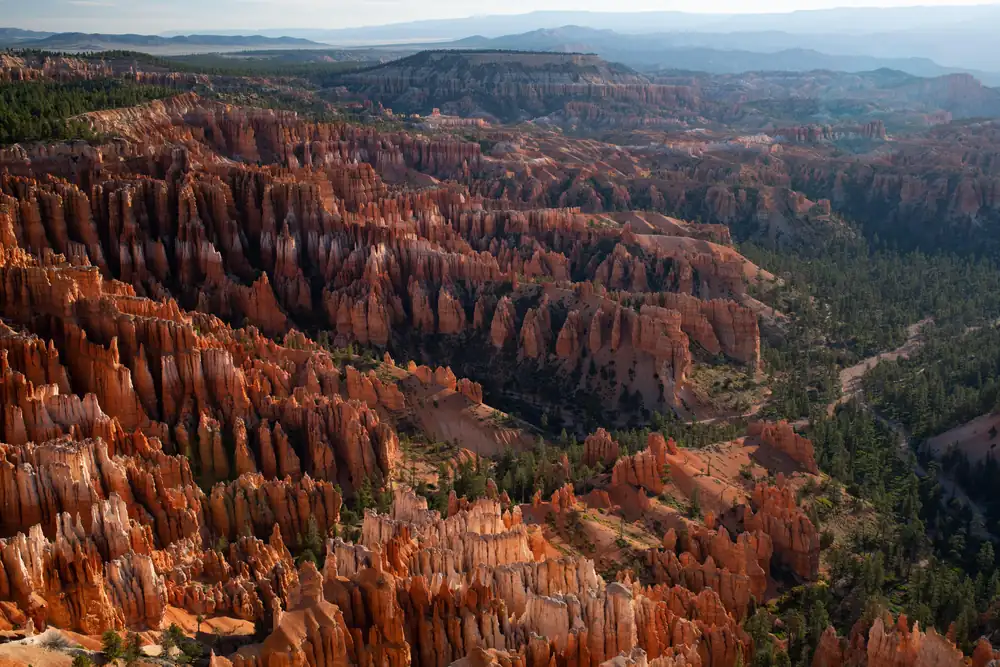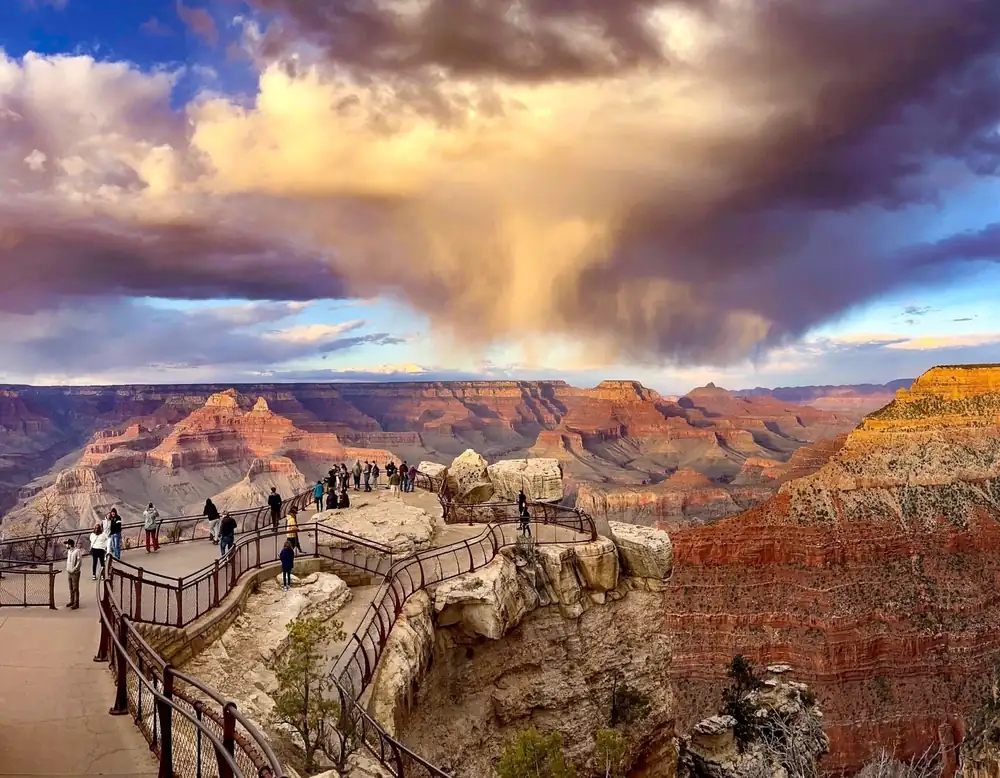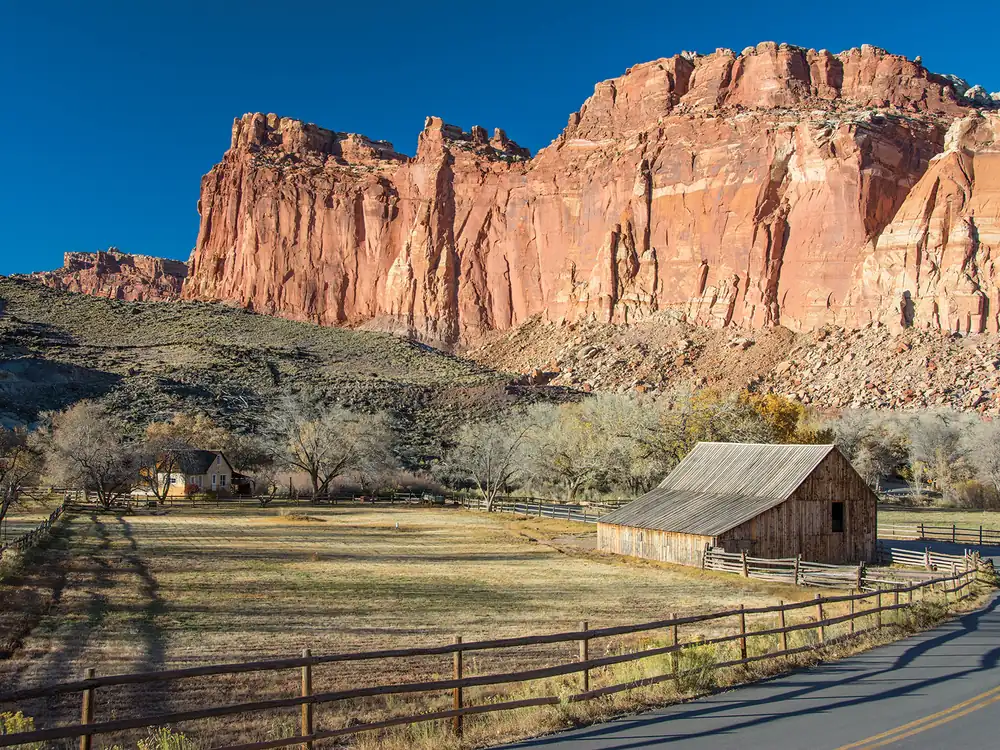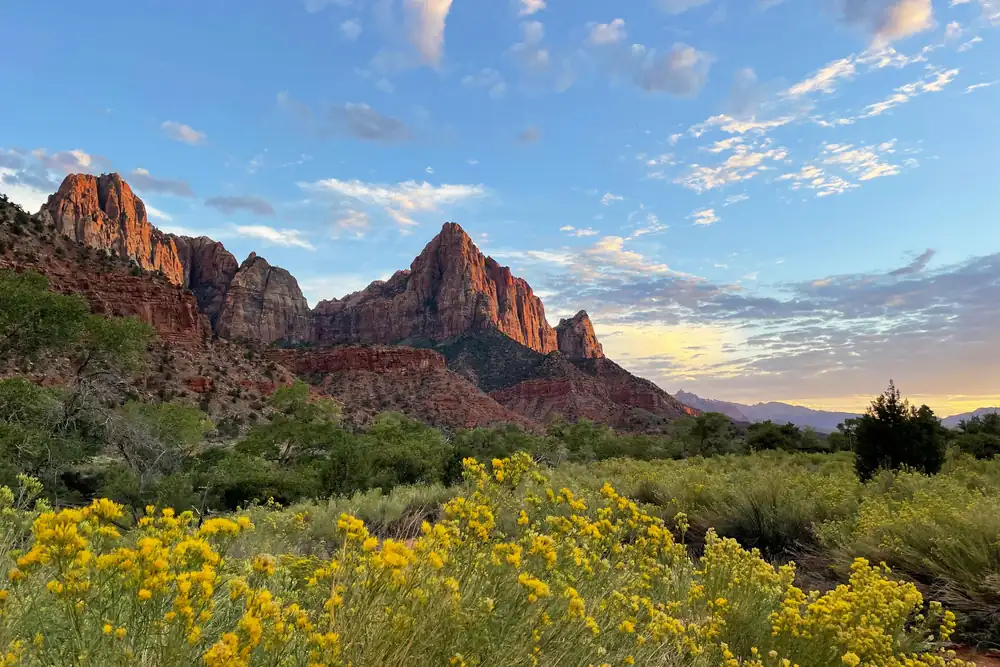
Zion National Park covers 147,243 acres in Utah. It became a national park on November 19, 1919, the 15th of today’s 64 parks to get that title. It recorded 4,984,525 recreation visits in 2025, the 2nd most of the 63 parks with a 2025 count.
Today at Zion
LiveLoading the forecast…
Checking park alerts…
Alerts: National Park Service, checked hourly. Forecast: National Weather Service, for Zion Canyon Visitor Center. Always confirm on the official park site before you set out.
In the park service’s words
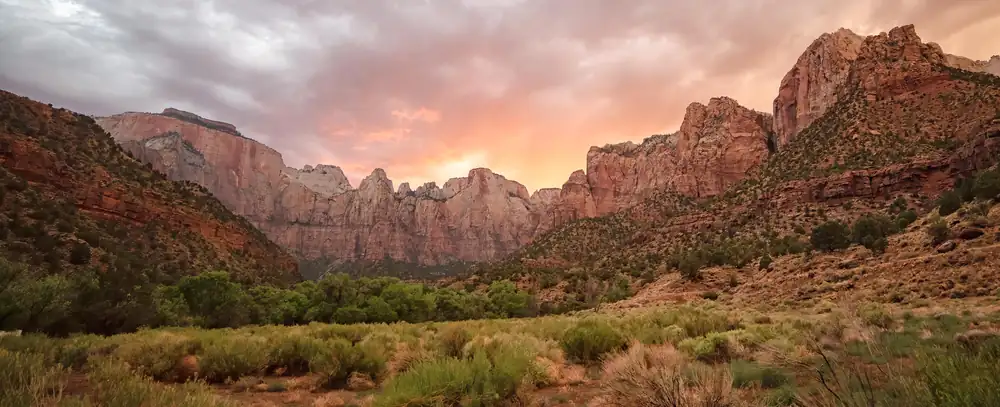
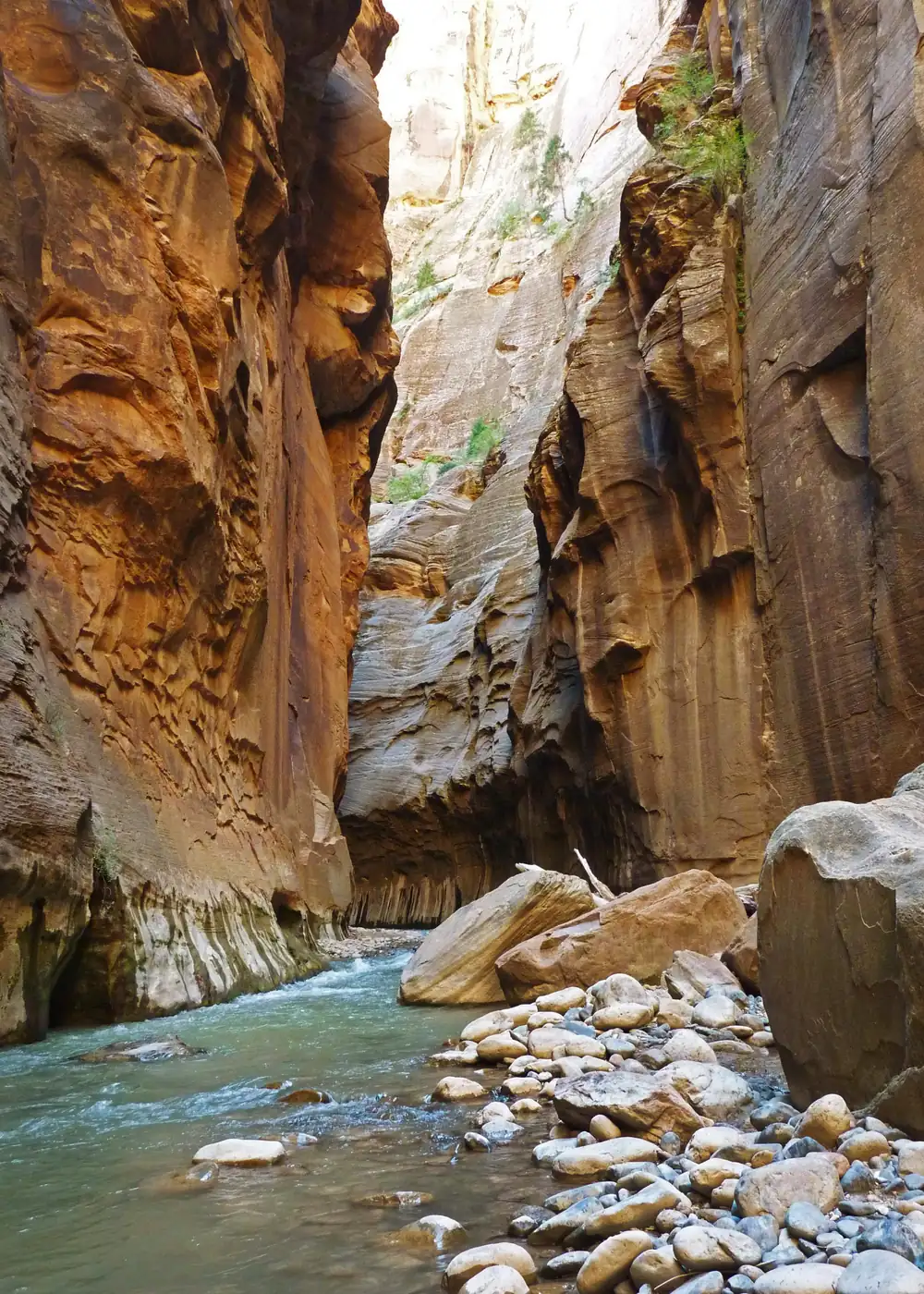
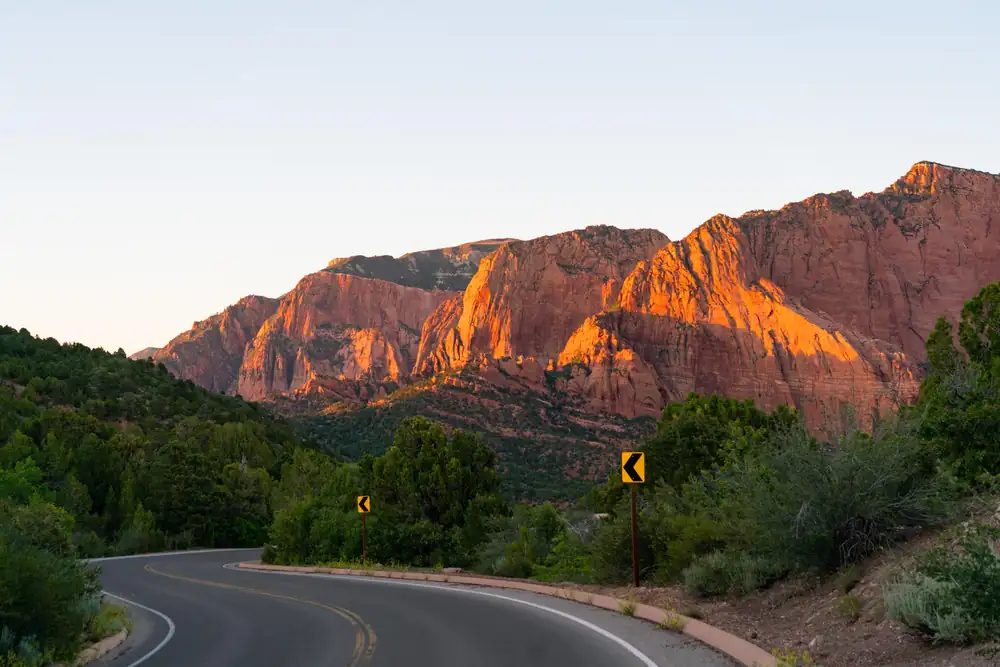
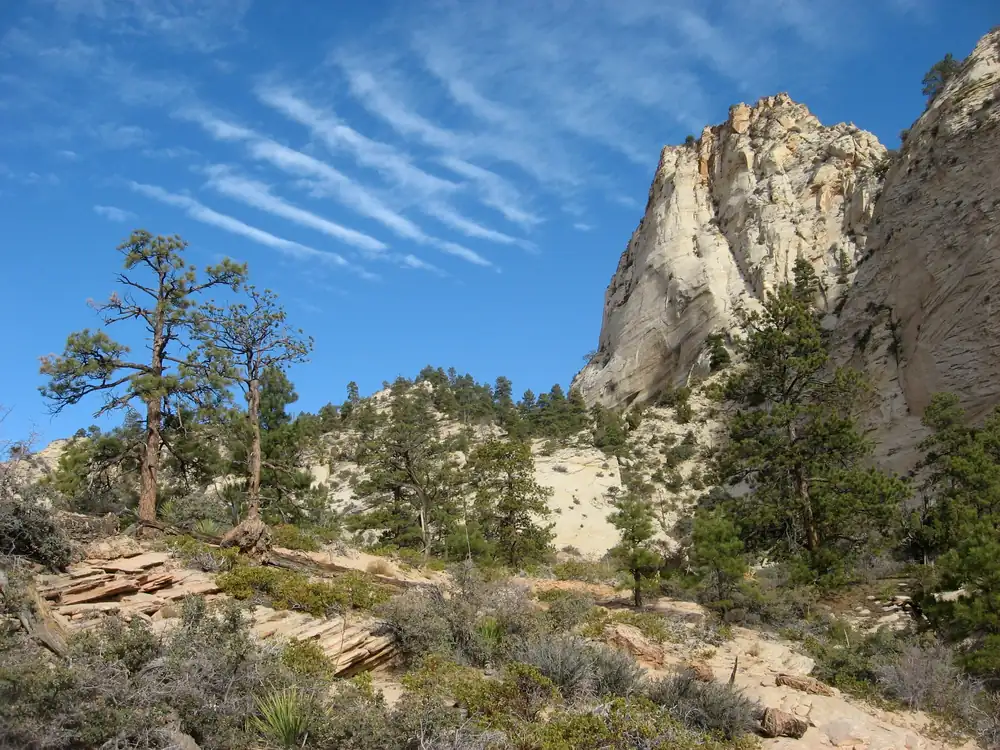
Follow the paths where people have walked for thousands of years. Gaze up at massive sandstone cliffs of cream, pink, and red that soar into a brilliant blue sky. Experience the tall, stretching walls of a narrow slot canyon. Zion’s unique array of plants and animals will enchant you as you absorb the rich history of the past and enjoy the excitement of present-day adventures.
From the National Park Service (public domain).
Entrance fee and passes
The standard entrance pass is $35 per vehicle. Admits private, non-commercial vehicle (15 passenger capacity or less) and all occupants to Zion National Park. Valid for 1-7 days.
The $80 America the Beautiful pass for U.S. residents covers this fee and everyone in your car. It pays for itself after 3 visits at this price, and it is accepted at every national park.
Visitors who are not U.S. residents pay a $100 nonresident fee per person age 16 and older here, on top of the entrance fee, unless they hold the $250 nonresident annual pass. Zion is one of the 11 parks that charge it. See nonresident fees.
Entrance is free for U.S. residents on the 2026 fee-free days.
Reservations and permits in 2026
Hiking Angels Landing needs a permit from the park lottery on Recreation.gov.
Check the park’s own site before you go, because these systems change from year to year.
Best time to visit
- Best time to visit Zion: March, April, October and November. The weather is at its most comfortable then, and crowds are lighter than at the peak.
- Busiest month: June, with about 577,507 visits in a typical recent year. That is 4.4 times as many as January.
- Quietest month: January (130,368 visits).
Bar height: visitors that month, compared with the busiest month. Temperatures: average daily high and low (°F); rain and snow: monthly averages. Best marks the months we suggest.
More detail: the best time to visit Zion, month by month.
Plan your visit
- Best time to visit: crowds and weather month by month
- Itinerary: ready-made plans for 1 to 3 days
- Things to do: 17 hikes and 3 other activities
- Camping, RVs and lodging: 3 campgrounds, 1 lodges
- Getting there: Nearest gas to Zion Canyon Visitor Center: Shell, 1.1 miles away. Closest airport Cedar City Regional Airport (28 mi)
- Know before you go: safety, what to pack and what to leave at home
Popular hikes
- La Verkin Creek Trail to Kolob Arch (7 to 9 Hours): The La Verkin Creek Trail to the Kolob Arch allows hikers outstanding opportunities for solitude in a primitive area of Zion Wilderness. The trail begins at Lee Pass with stunning views of the Kolob Canyons as it crosses Timber Creek and continues to descend toward La Verkin Creek. After seven miles a spur trail leads
- Upper Emerald Pools Trail (1 to 2 Hours): Upper Emerald Pools Trail is a moderate, 1 mile (1.6 km) trail that can be accessed via the Kayenta Trail, Lower Emerald Pools Trail, or Middle Emerald Pools Trail. Climb up stone steps to a sandy path that leads through pinyon-juniper woodlands to the base of towering canyon walls which boast majestic, seasonal waterf
- Sand Bench (1 to 4 Hours): The Sand Bench Trail travels atop the remains of an ancient rockfall. This trail leads hikers along the Virgin River and then ascends a landslide that dammed the Virgin River 8,000 years ago and created a lake that extended to Angels Landing. This trail is a commercial horse trail from March to October, and it receives
- Lower Emerald Pool Trail (1 to 2 Hours): Lower Emerald Pool trail is a rough, paved trail that leads through pinyon-juniper woodland to the Lower Emerald Pool and ephemeral waterfalls.The pools are fragile and an essential water source for wildlife. Do not go into the water. Connects to the other Emerald Pools trails and the Kayenta Trail. Avoid cliff edges.
- Middle Emerald Pools Trail (1 to 2 Hours): Middle Emerald Pools Trail is a moderate hike along an unpaved sandstone ledge above the Lower Emerald Pool Trail. The initial ascent is quite steep, bringing you to expansive views of main Zion Canyon below. Further along the trail, tucked into the red sandstone of the mountain, enjoy the shade and flora of pinyon-jun
Webcams
Weather, in the park service’s words
The park service says:
Zion is known for a wide range of weather conditions. Temperatures vary with changes in elevation and day/night temperatures may differ by over 30°F (16°C). In summer, temperatures in Zion National Park often exceed 100°F (38°C). Zion experiences monsoons from mid-July into September that result in an increased risk of flash floods. Always be aware of the threat of storms and lightning and be prepared for a wide range of weather conditions. Winters are generally mild.
From the National Park Service (public domain).
Nearby national parks by road
- Bryce Canyon (Utah): about 2 h 5 min by car (109 miles)
- Great Basin (Nevada): about 3 h 5 min by car (156 miles)
- Capitol Reef (Utah): about 3 h 45 min by car (182 miles)
- Arches (Utah): about 5 h by car (302 miles)
Drive times run between the closest visitor centers of each pair, estimated with OSRM routing on OpenStreetMap roads. Link several parks with the road trip planner.
Sources
Last checked 1 November 2026.
Frequently asked questions
How much does it cost to enter Zion National Park?
The standard entrance pass is $35 per vehicle. Admits private, non-commercial vehicle (15 passenger capacity or less) and all occupants to Zion National Park. Valid for 1-7 days. Non-U.S. residents also pay a $100 per person nonresident fee unless they have the $250 nonresident annual pass.
What state is Zion National Park in?
Utah.
When did Zion become a national park?
November 19, 1919.
How many people visit Zion?
4,984,525 recreation visits were counted in 2025.
Do you need a reservation for Zion in 2026?
Hiking Angels Landing needs a permit from the park lottery on Recreation.gov.
When is the best time to visit Zion?
March, April, October and November. June is the busiest month and January the quietest while the park is fully open.