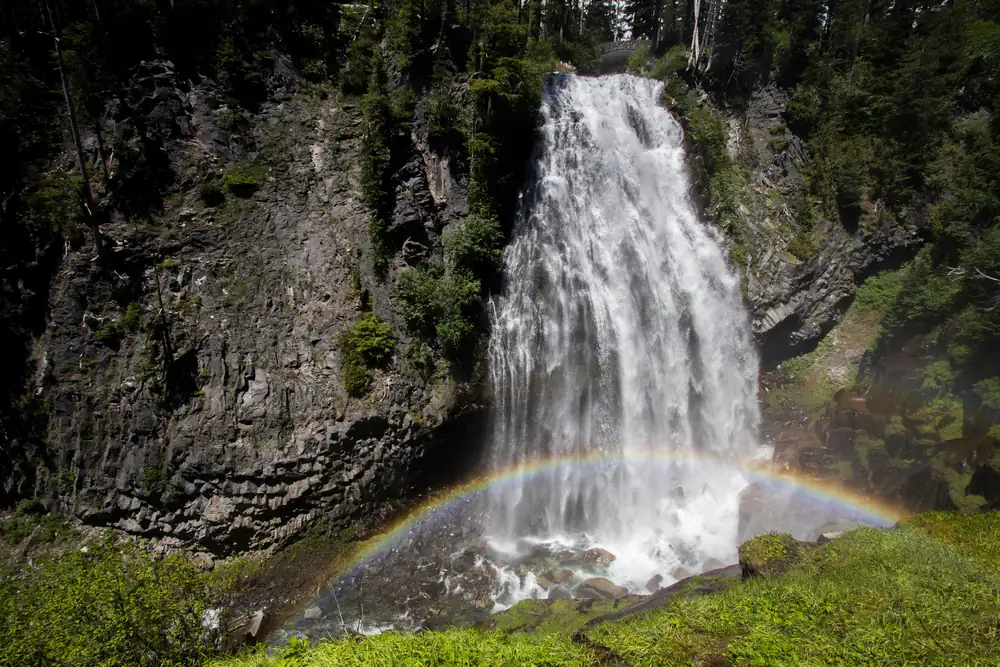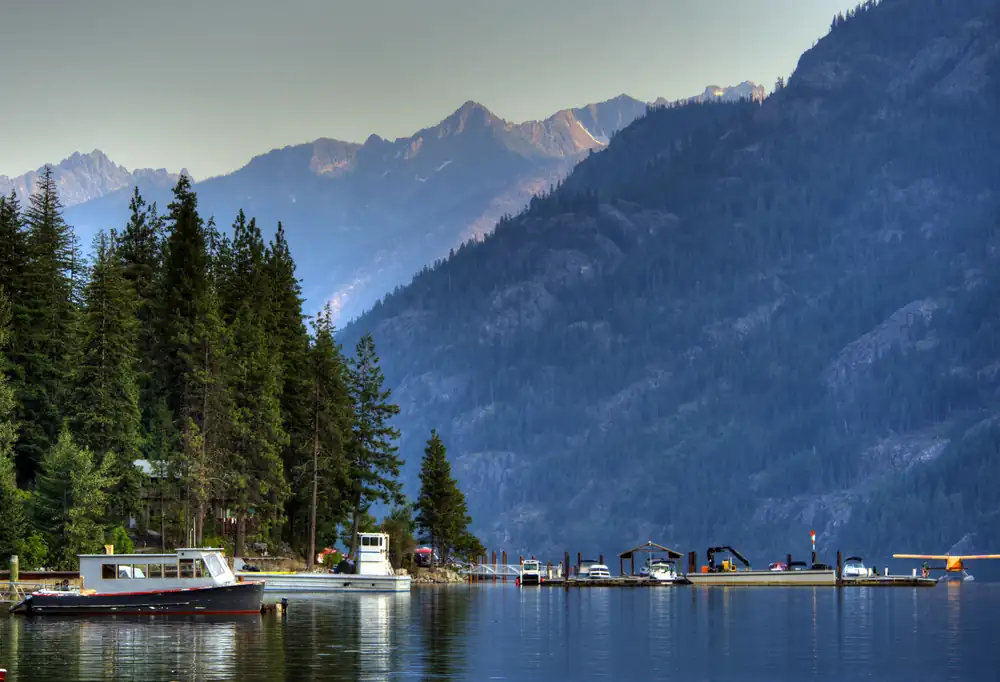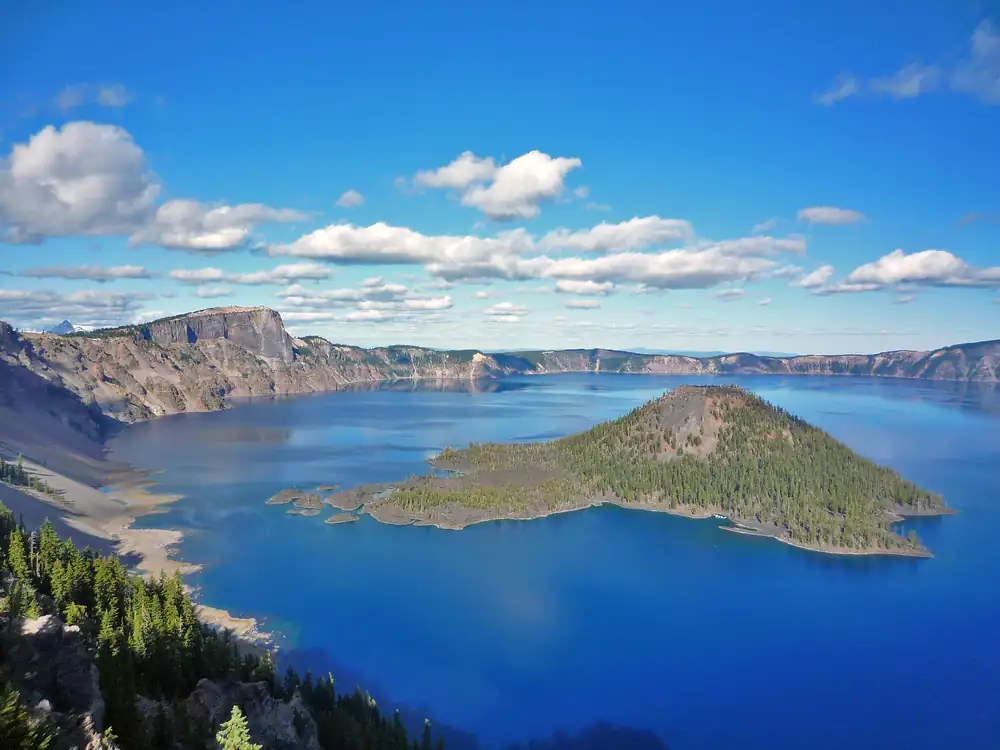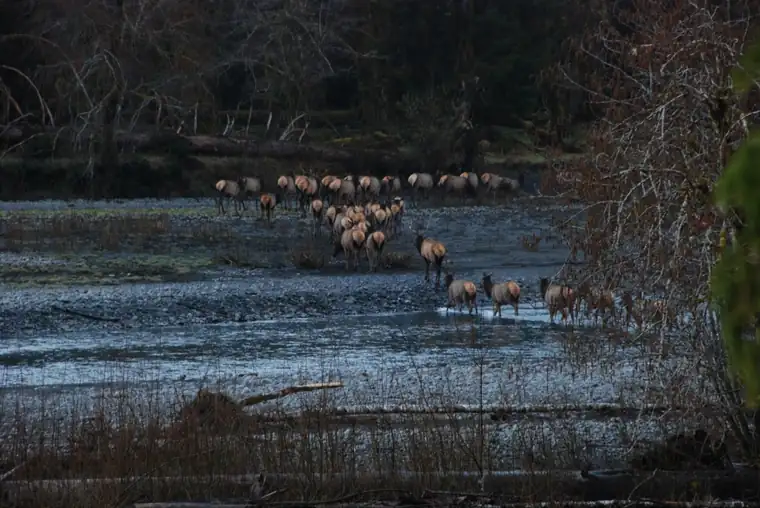
Olympic National Park covers 922,649 acres in Washington. It became a national park on June 29, 1938, the 23rd of today’s 64 parks to get that title. It recorded 3,584,187 recreation visits in 2025, the 9th most of the 63 parks with a 2025 count.
Today at Olympic
LiveLoading the forecast…
Checking park alerts…
Alerts: National Park Service, checked hourly. Forecast: National Weather Service, for Olympic National Park Visitor Center. Always confirm on the official park site before you set out.

In the park service’s words
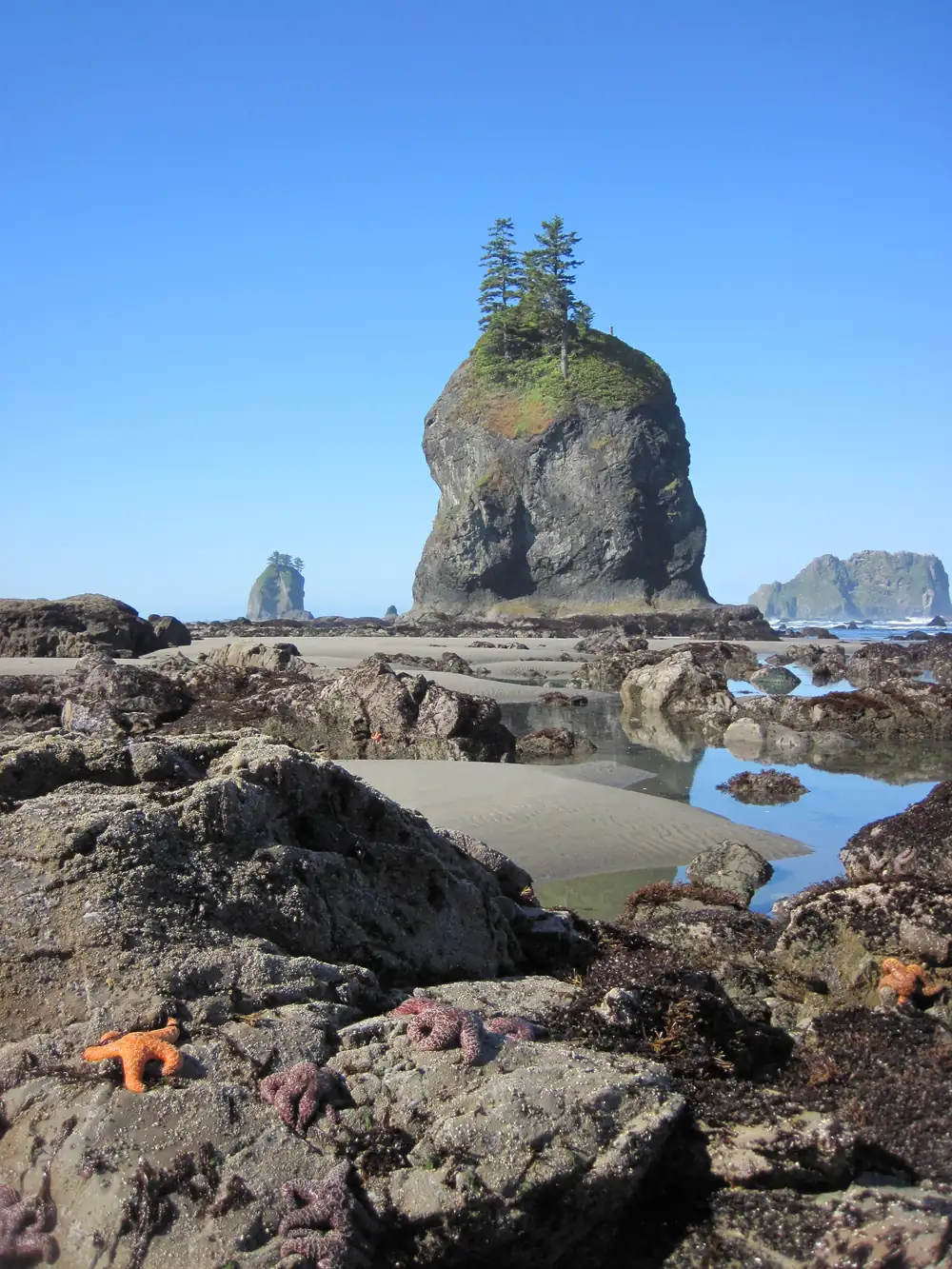
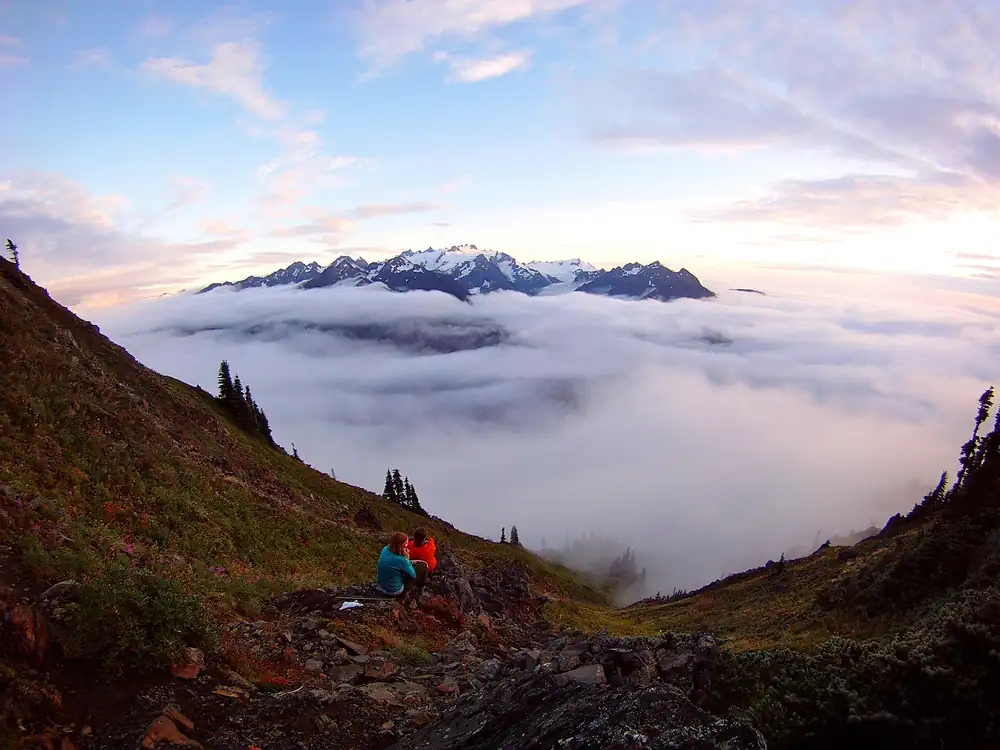
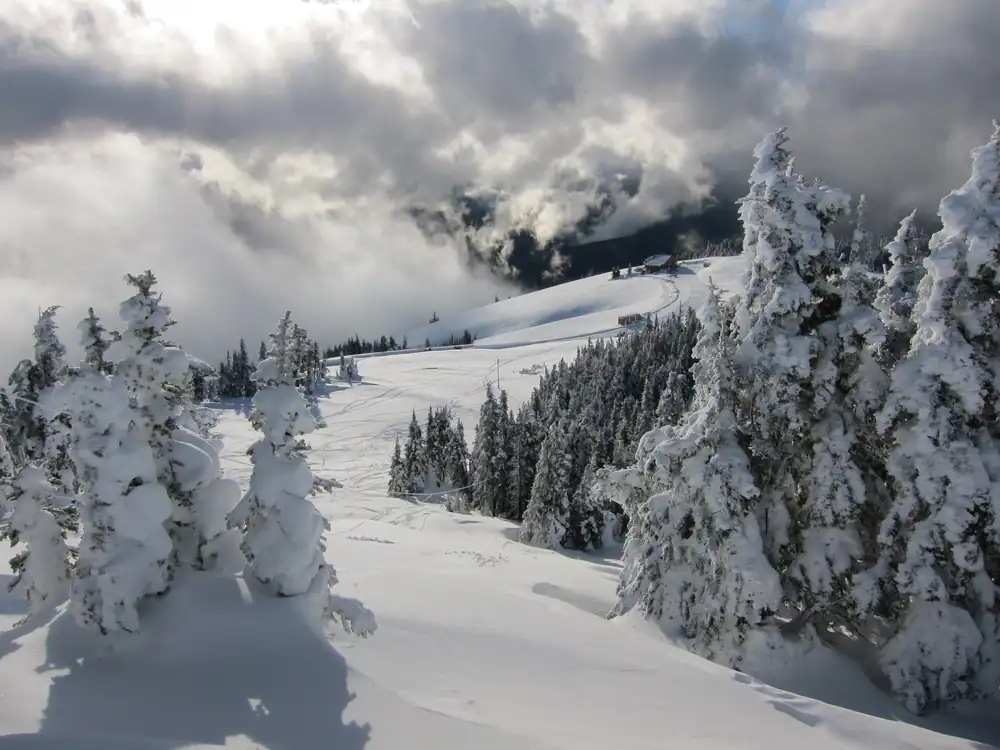
With its incredible range of precipitation and elevation, diversity is the hallmark of Olympic National Park. Encompassing nearly a million acres, the park protects a vast wilderness, thousands of years of human history, and several distinctly different ecosystems, including glacier-capped mountains, old-growth temperate rain forests, and over 70 miles of wild coastline. Come explore!
From the National Park Service (public domain).
Entrance fee and passes
The standard entrance pass is $30 per vehicle. Valid for seven consecutive days. Applies to private, non-commercial vehicles (15 passenger capacity or less). The pass covers all vehicle occupants.
The $80 America the Beautiful pass for U.S. residents covers this fee and everyone in your car. It pays for itself after 3 visits at this price, and it is accepted at every national park.
Entrance is free for U.S. residents on the 2026 fee-free days.
Best time to visit
- Best time to visit Olympic: May to July and September. The weather is at its most comfortable then, and crowds are lighter than at the peak.
- Busiest month: August, with about 590,500 visits in a typical recent year. That is 4.4 times as many as April.
- Quietest month: January (84,261 visits), when weather or closures keep most people away.
Bar height: visitors that month, compared with the busiest month. Temperatures: average daily high and low (°F); rain and snow: monthly averages. Best marks the months we suggest.
More detail: the best time to visit Olympic, month by month.
Plan your visit
- Best time to visit: crowds and weather month by month
- Itinerary: ready-made plans for 1 to 2 days
- Things to do: 5 hikes and 6 other activities
- Camping, RVs and lodging: 12 campgrounds, 7 lodges
- Getting there: Nearest gas to Olympic National Park Visitor Center: Reno Fuels, 1.0 miles away. Closest airport Friday Harbor Airport (58 mi)
- Know before you go: safety, what to pack and what to leave at home
Popular hikes
- Walk the Moments in Time Trail (15 to 30 Minutes): Take a peaceful stroll at Barnes Point on Lake Crescent on the Moments in Time Trail.
- Take a Short Hike Near the Visitor Center (15 to 30 Minutes): Near the Olympic National Park Visitor Center, two short loop hikes take visitors through peaceful, green lowland forests.
- See Madison Falls (5 to 15 Minutes): Madison Falls is a stunning 60-foot waterfall near the Elwha River. It's also one of the most accessible destinations at the park, making it a great stop for families and visitors of all abilities.
- Go to the Beach: A trip to the Olympic Coast is sure to be memorable! Olympic National Park contains several beach areas along the coast, each with something to offer. Learn more about popular beaches and start planning your trip!
- Take a Pet-Friendly Hike: Pets: they’re our faithful friends and loyal companions. But at Olympic National Park, they aren’t allowed everywhere! You can still have a great time at Olympic with pets, but be sure to read carefully and follow the rules so you know what to do and where to go.
Webcams
Weather, in the park service’s words
The park service says:
Summers tend to be fair and warm, with high temperatures between 65 and 75 degrees F. July, August and September are the driest months, with heavier precipitation during the rest of the year. While winters are mild at lower elevation, snowfall can be heavy in the mountains. It is common for different weather conditions to exist within the park at the same time. At any time of year, visitors should come prepared for a variety of conditions.
From the National Park Service (public domain).
Nearby national parks by road
- North Cascades (Washington): about 3 h 15 min by car (101 miles)
- Mount Rainier (Washington): about 4 h 10 min by car (167 miles)
- Crater Lake (Oregon): about 9 h 45 min by car (439 miles)
- Redwood (California): about 10 h 55 min by car (513 miles)
Drive times run between the closest visitor centers of each pair, estimated with OSRM routing on OpenStreetMap roads. Link several parks with the road trip planner.
Sources
Last checked 1 November 2026.
Frequently asked questions
How much does it cost to enter Olympic National Park?
The standard entrance pass is $30 per vehicle. Valid for seven consecutive days. Applies to private, non-commercial vehicles (15 passenger capacity or less). The pass covers all vehicle occupants.
What state is Olympic National Park in?
Washington.
When did Olympic become a national park?
June 29, 1938.
How many people visit Olympic?
3,584,187 recreation visits were counted in 2025.
When is the best time to visit Olympic?
May to July and September. August is the busiest month and April the quietest while the park is fully open.