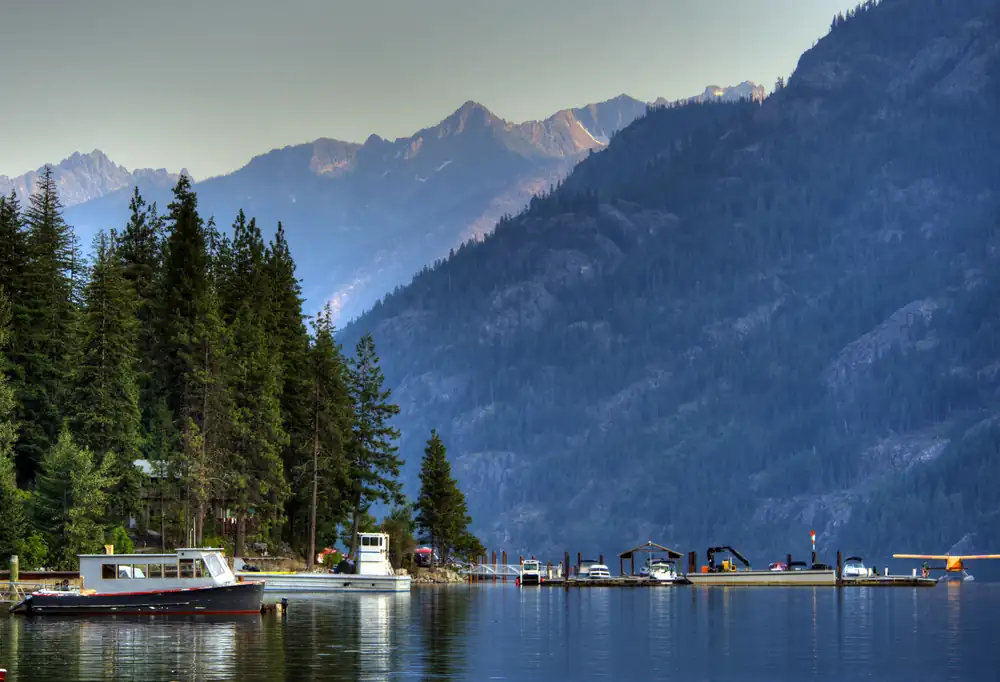
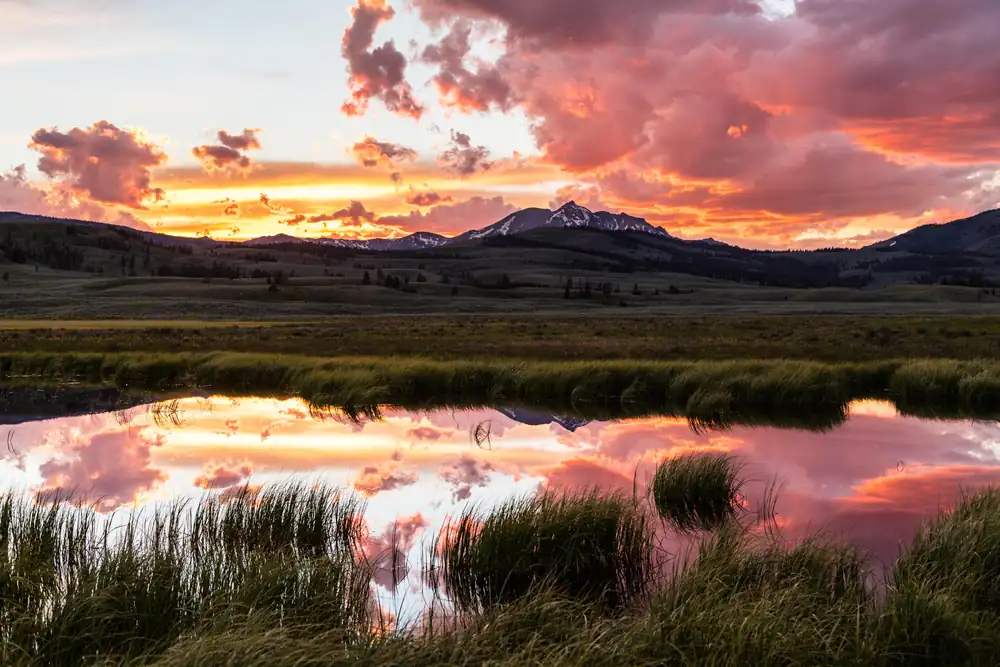
Glacier National Park covers 1,013,126 acres in Montana. It became a national park on May 11, 1910, the 8th of today’s 64 parks to get that title. It recorded 3,136,557 recreation visits in 2025, the 10th most of the 63 parks with a 2025 count.
Today at Glacier
LiveLoading the forecast…
Checking park alerts…
Alerts: National Park Service, checked hourly. Forecast: National Weather Service, for St. Mary Visitor Center. Always confirm on the official park site before you set out.

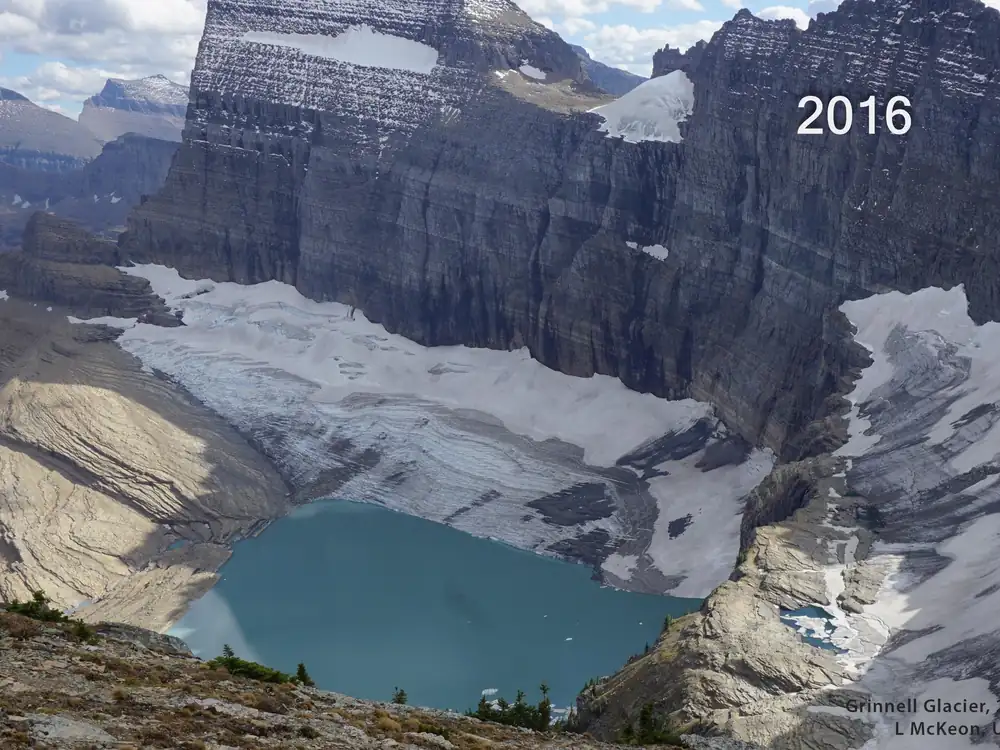
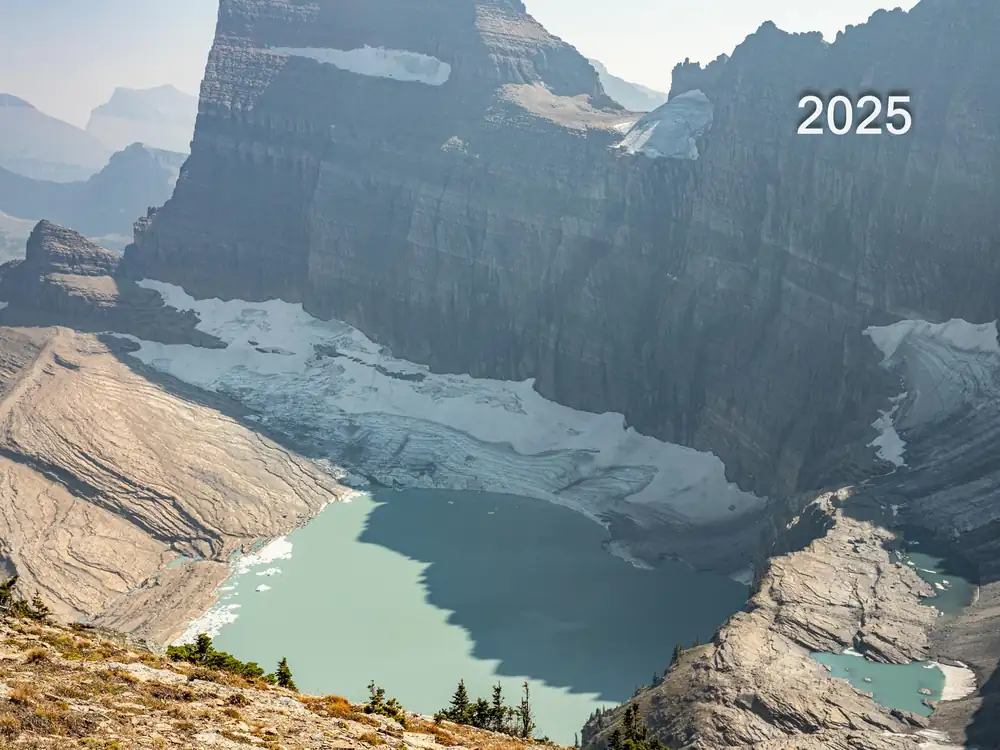
In the park service’s words
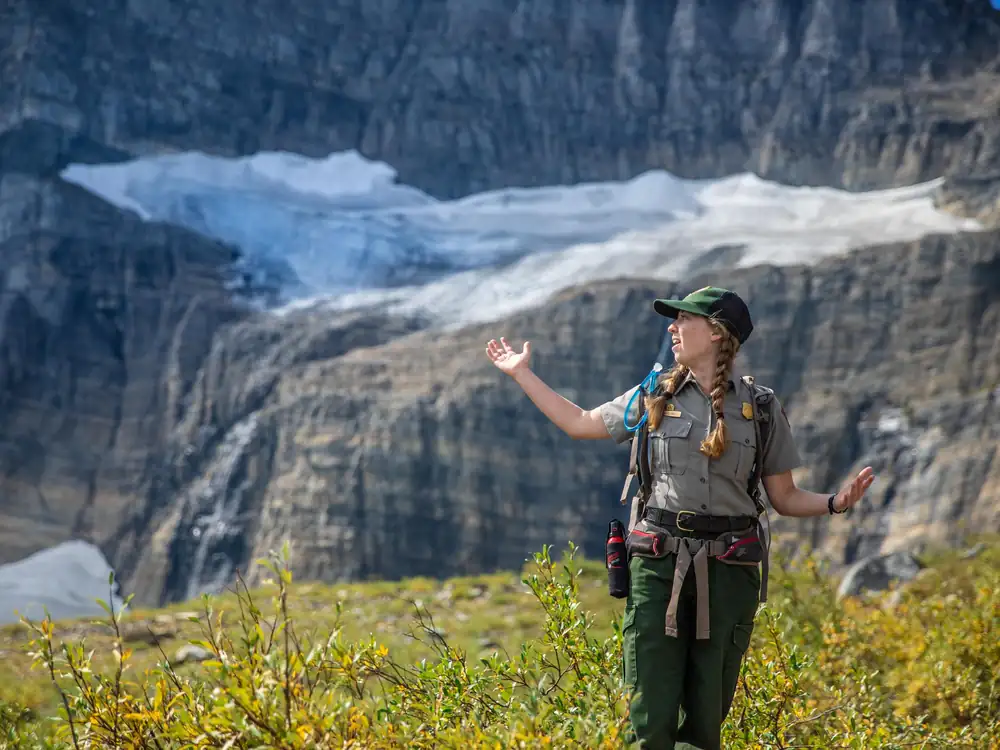
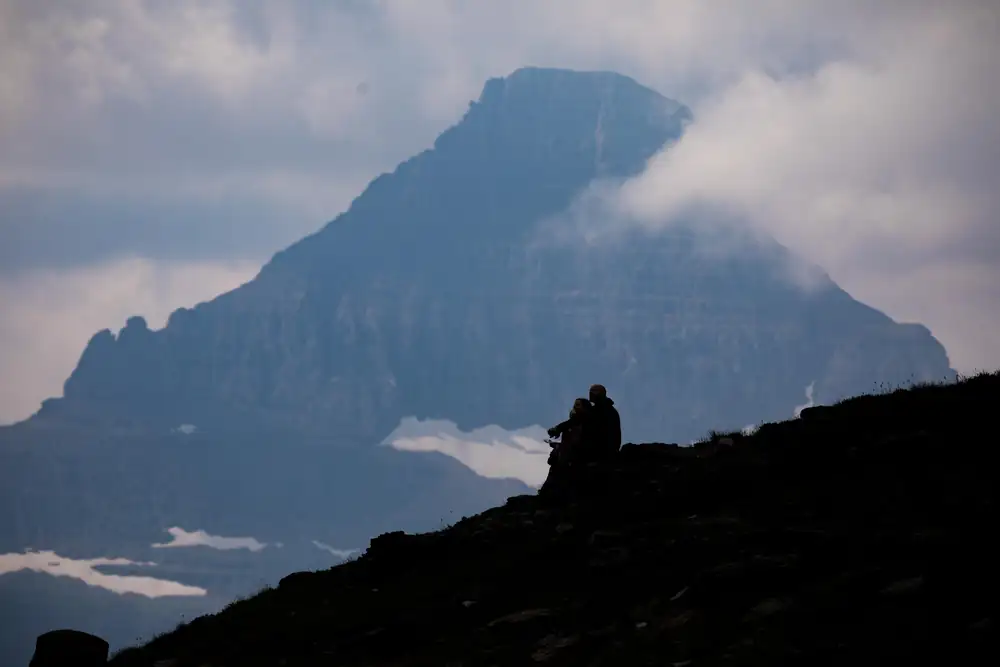
A showcase of melting glaciers, alpine meadows, carved valleys, and spectacular lakes. With over 700 miles of trails, Glacier is a paradise for adventurous visitors seeking a landscape steeped in human culture. Relive the days of old through historic chalets, lodges, and the famous Going-to-the-Sun Road.
From the National Park Service (public domain).
Entrance fee and passes
The standard entrance pass is $35 per vehicle. (Winter Rate - $25.00, November 1 to April 30) This is an entrance fee for all persons traveling in a single, private, non-commercial vehicle (car/truck/van). The pass is good for seven days and is non-transferable. Visitors can enter the park at any time, if the entrance station is not staffed, a self-registration area is available for purchasing a 7-day park pass.
The $80 America the Beautiful pass for U.S. residents covers this fee and everyone in your car. It pays for itself after 3 visits at this price, and it is accepted at every national park.
Visitors who are not U.S. residents pay a $100 nonresident fee per person age 16 and older here, on top of the entrance fee, unless they hold the $250 nonresident annual pass. Glacier is one of the 11 parks that charge it. See nonresident fees.
Entrance is free for U.S. residents on the 2026 fee-free days.
Reservations and permits in 2026
No parkwide vehicle reservation in 2026; the park manages traffic on Going-to-the-Sun Road on busy days.
Check the park’s own site before you go, because these systems change from year to year.
Best time to visit
- Best time to visit Glacier: June to September. The weather is at its most comfortable then, and crowds are lighter than at the peak.
- Busiest month: July, with about 747,805 visits in a typical recent year. That is 3.6 times as many as May.
- Quietest month: February (16,855 visits), when weather or closures keep most people away.
Bar height: visitors that month, compared with the busiest month. Temperatures: average daily high and low (°F); rain and snow: monthly averages. Best marks the months we suggest.
More detail: the best time to visit Glacier, month by month.
Plan your visit
- Best time to visit: crowds and weather month by month
- Itinerary: ready-made plans for 1 to 3 days
- Things to do: 2 hikes and 39 other activities
- Camping, RVs and lodging: 13 campgrounds, 5 lodges
- Getting there: Nearest gas to St. Mary Visitor Center: Exxon, 0.5 miles away. Closest airport Glacier Park International Airport (33 mi)
- Know before you go: safety, what to pack and what to leave at home
Popular hikes
- Take a Half-Day Hike in Glacier (3 to 5 Hours): Glacier is a hiker’s paradise. Spend part of your day on one of these 3-5 hour hikes.
- Take a Full Day Hike in Glacier (5 to 12 Hours): Glacier is a hiker’s paradise. Spend your whole day in nature on one of these popular trails.
Webcams
- Lake McDonald - 1
- Apgar Mountain
- Apgar Village
- Park Headquarters
- Middle Fork of the Flathead River
- St. Mary Visitor Center
- Apgar 2
- Lake McDonald - 2
Weather, in the park service’s words
The park service says:
Glacier's weather is highly variable and can be extreme. Expect warm, sunny summer days but be ready for any type of conditions. In the winter, temperatures can fall well below freezing and typically the park receives considerable amounts of snow. Glacier's geography, straddling the Continental Divide, sets the stage for clashes of two very different climates. Warm, wet Pacific air moves in from the west, and cold, dry Arctic air flows from the northeast. They meet at the Divide.
From the National Park Service (public domain).
Nearby national parks by road
- Yellowstone (Wyoming, Montana and Idaho): about 7 h 35 min by car (385 miles)
- Grand Teton (Wyoming): about 10 h by car (533 miles)
- Theodore Roosevelt (North Dakota): about 10 h 30 min by car (568 miles)
- North Cascades (Washington): about 10 h 50 min by car (475 miles)
Drive times run between the closest visitor centers of each pair, estimated with OSRM routing on OpenStreetMap roads. Link several parks with the road trip planner.
Sources
Last checked 1 November 2026.
Frequently asked questions
How much does it cost to enter Glacier National Park?
The standard entrance pass is $35 per vehicle. (Winter Rate - $25.00, November 1 to April 30) This is an entrance fee for all persons traveling in a single, private, non-commercial vehicle (car/truck/van). The pass is good for seven days and is non-transferable. Visitors can enter the park at any time, if the entrance station is not staffed, a self-registration area is available for purchasing a 7-day park pass. Non-U.S. residents also pay a $100 per person nonresident fee unless they have the $250 nonresident annual pass.
What state is Glacier National Park in?
Montana.
When did Glacier become a national park?
May 11, 1910.
How many people visit Glacier?
3,136,557 recreation visits were counted in 2025.
Do you need a reservation for Glacier in 2026?
No parkwide vehicle reservation in 2026; the park manages traffic on Going-to-the-Sun Road on busy days.
When is the best time to visit Glacier?
June to September. July is the busiest month and May the quietest while the park is fully open.