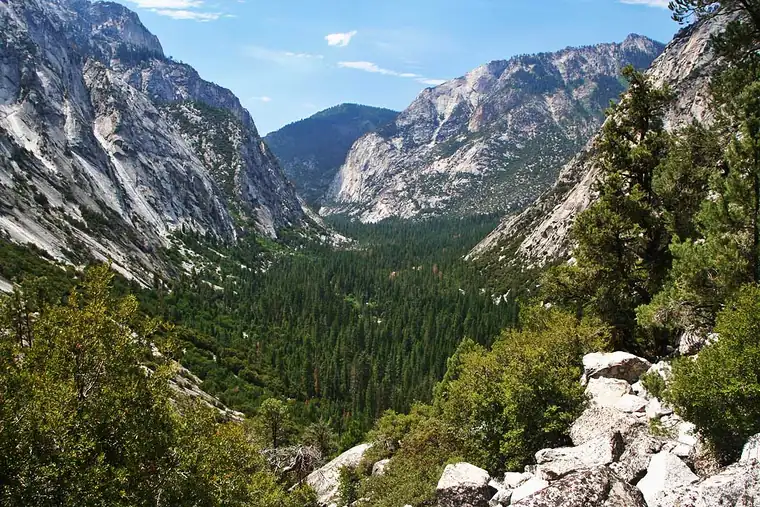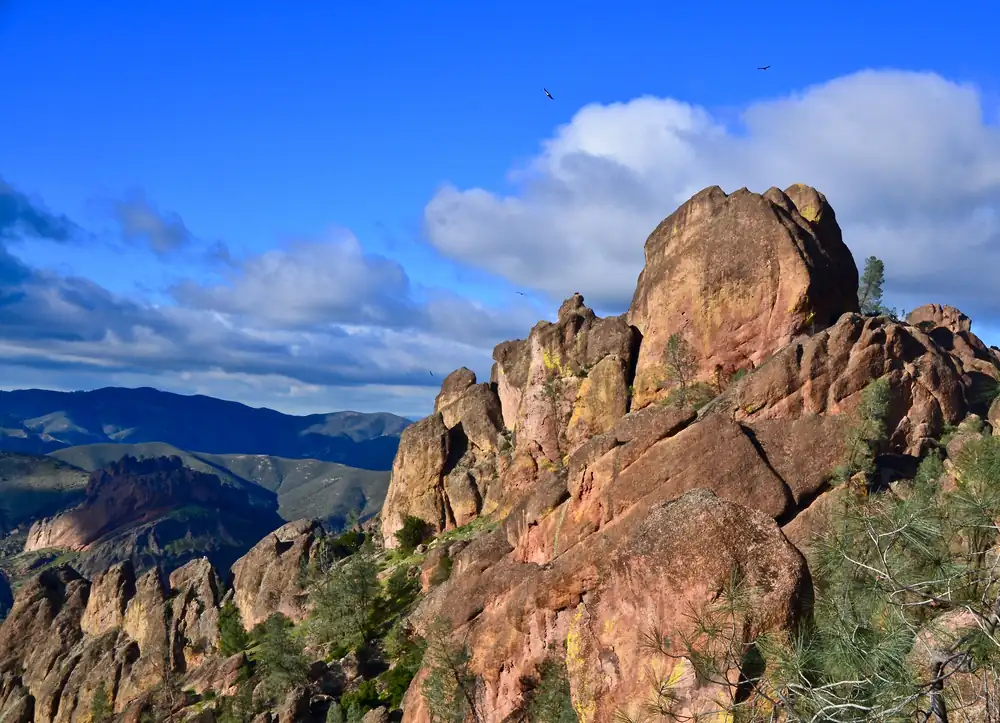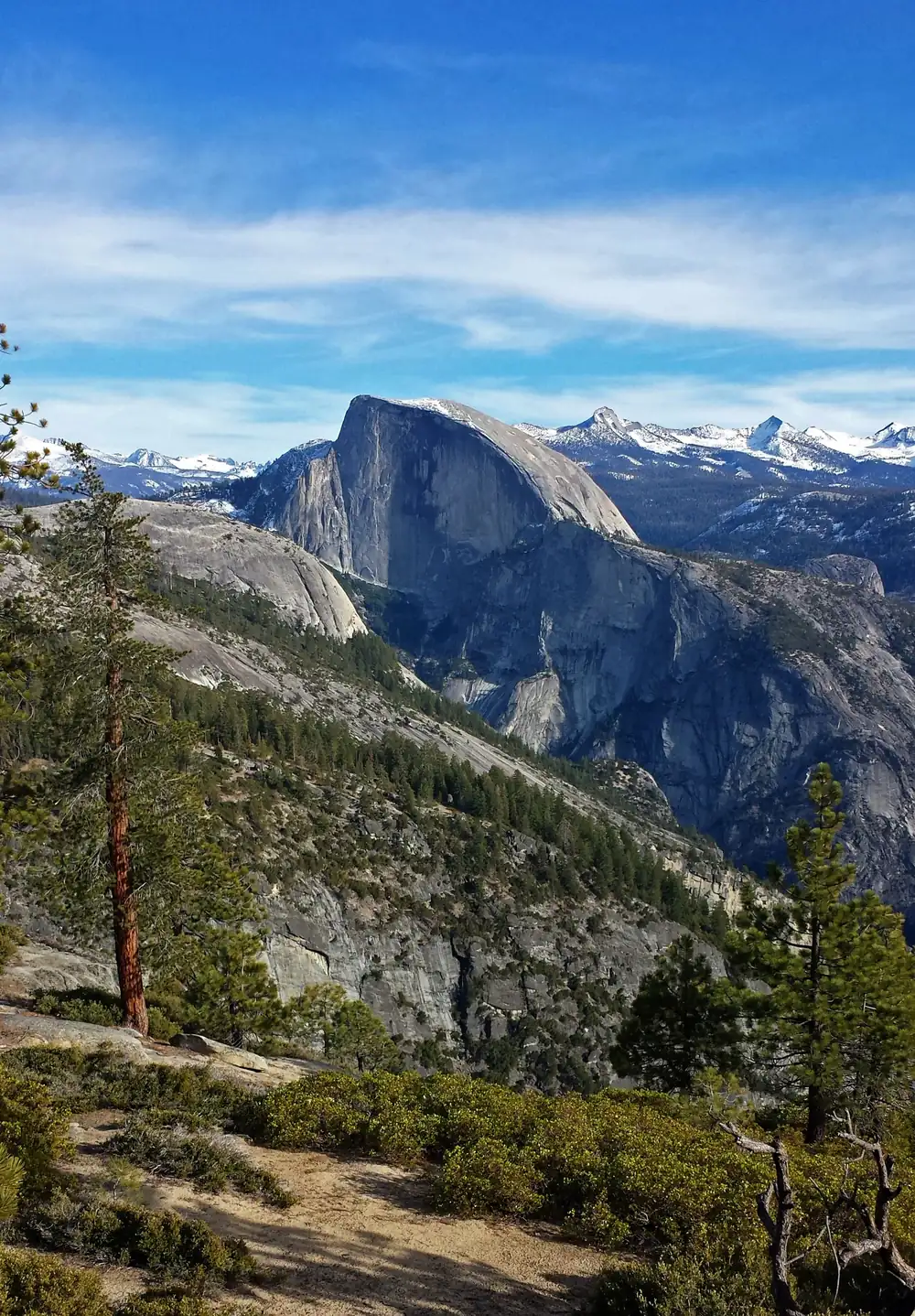
Yosemite National Park covers 761,748 acres in California. It became a national park on October 1, 1890, the 3rd of today’s 64 parks to get that title. It recorded 4,278,413 recreation visits in 2025, the 5th most of the 63 parks with a 2025 count.
Today at Yosemite
LiveLoading the forecast…
Checking park alerts…
Alerts: National Park Service, checked hourly. Forecast: National Weather Service, for Yosemite Valley Welcome Center. Always confirm on the official park site before you set out.
In the park service’s words
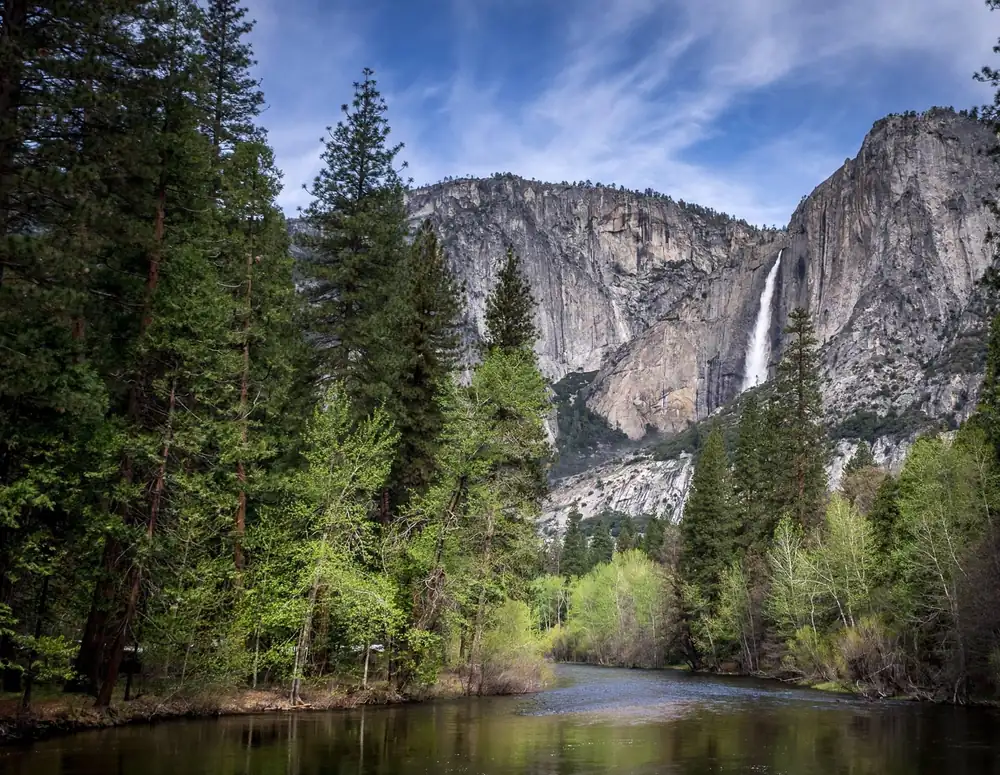
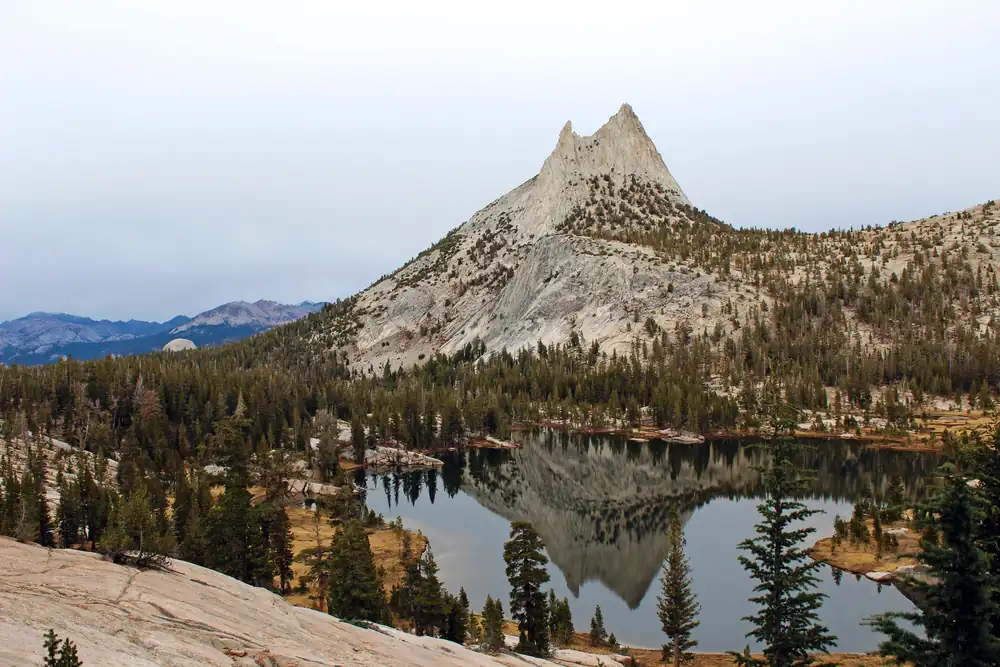
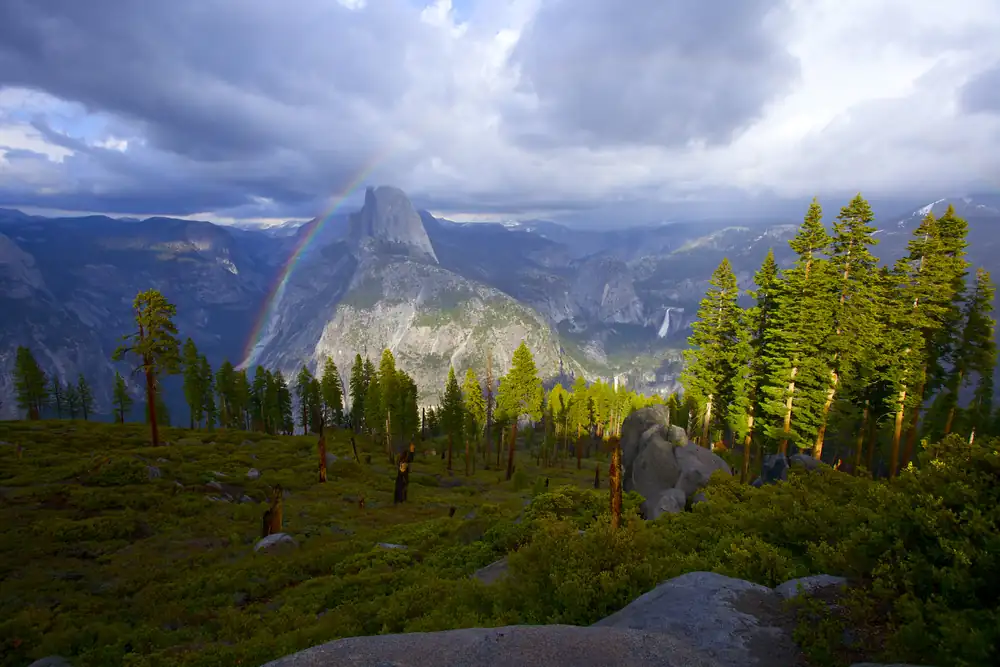
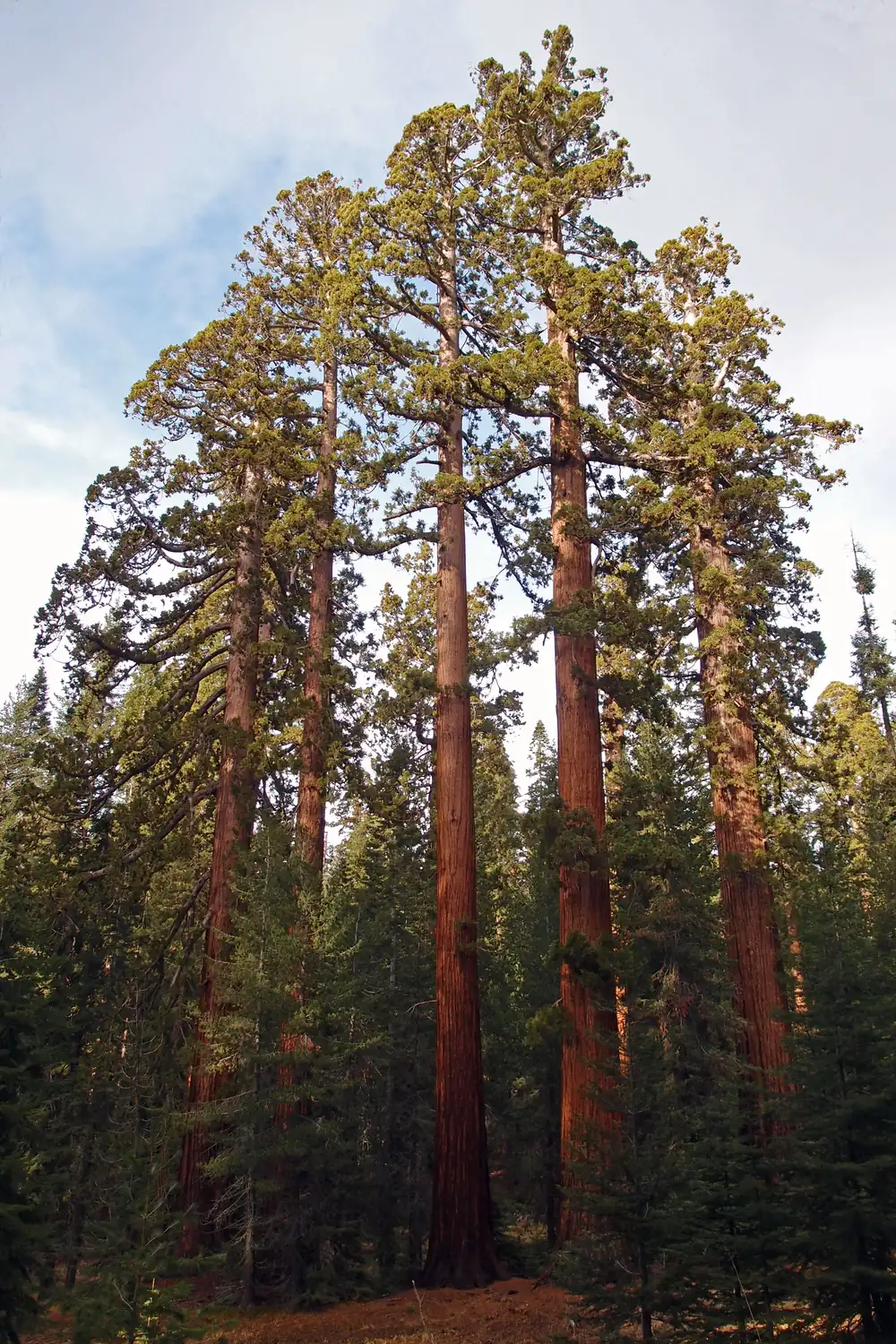
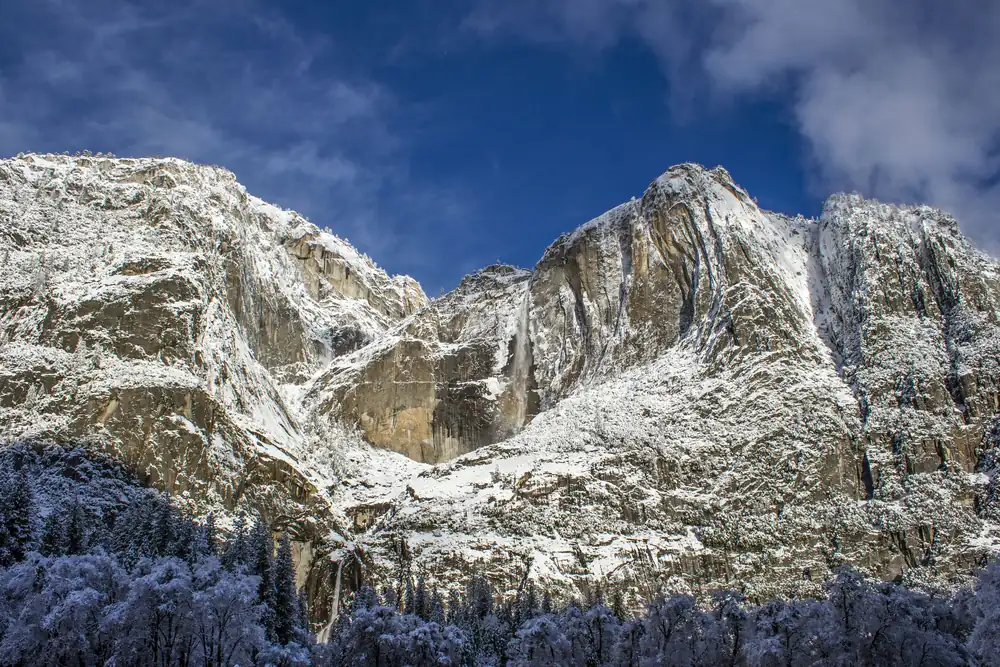
Not just a great valley, but a shrine to human foresight, the strength of granite, the power of glaciers, the persistence of life, and the tranquility of the High Sierra. First protected in 1864, Yosemite National Park is best known for its waterfalls, but within its nearly 1,200 square miles, you can find deep valleys, grand meadows, ancient giant sequoias, a vast wilderness area, and much more.
From the National Park Service (public domain).
Entrance fee and passes
The standard entrance pass is $35 per vehicle. This fee is valid for seven consecutive days for a non-commercial car, pickup truck, RV, or van with 15 or fewer passenger seats. This fee covers the vehicle and everyone inside of it. Per-person nonresident fees still apply.
The $80 America the Beautiful pass for U.S. residents covers this fee and everyone in your car. It pays for itself after 3 visits at this price, and it is accepted at every national park.
Visitors who are not U.S. residents pay a $100 nonresident fee per person age 16 and older here, on top of the entrance fee, unless they hold the $250 nonresident annual pass. Yosemite is one of the 11 parks that charge it. See nonresident fees.
Entrance is free for U.S. residents on the 2026 fee-free days.
Reservations and permits in 2026
No entry reservation in 2026; the park uses live traffic management and may hold cars at entrances when parking fills.
Check the park’s own site before you go, because these systems change from year to year.
Best time to visit
- Best time to visit Yosemite: April, May and October. The weather is at its most comfortable then, and crowds are lighter than at the peak.
- Busiest month: July, with about 577,313 visits in a typical recent year. That is 4.8 times as many as February.
- Quietest month: February (120,814 visits).
Bar height: visitors that month, compared with the busiest month. Temperatures: average daily high and low (°F); rain and snow: monthly averages. Best marks the months we suggest.
More detail: the best time to visit Yosemite, month by month.
Plan your visit
- Best time to visit: crowds and weather month by month
- Itinerary: a ready-made day
- Things to do: 1 hikes and 12 other activities
- Camping, RVs and lodging: 16 campgrounds, 12 lodges
- Getting there: Nearest gas to Wawona Visitor Center at Hill's Studio: Chevron, 0.1 miles away. Closest airport Mammoth Yosemite Airport (42 mi)
- Know before you go: safety, what to pack and what to leave at home
Popular hikes
- Hiking in Yosemite: From a short walk to the base of a waterfall to a multi-day hike deep into the Yosemite Wilderness, taking a hike is one of the best ways to experience Yosemite's spectacular scenery. Yosemite has an extensive network of over 800 miles of hiking trails.
Webcams
- Turtleback Dome & Air Quality
- Merced River at Happy Isles
- El Capitan (live video)
- Half Dome
- El Capitan
- Yosemite High Sierra (live video)
- Yosemite Falls (live video)
- Half Dome (live video)
Weather, in the park service’s words
The park service says:
Yosemite National Park covers nearly 1,200 square miles (3,100 square km) in the Sierra Nevada, with elevations ranging from about 2,000 feet (600 m) to 13,000 ft (4,000 m). Yosemite receives 95% of its precipitation between October and May (and over 75% between November and March). Most of Yosemite is blanketed in snow from about November through May. (Yosemite Valley can be rainy or snowy in any given winter storm.)
From the National Park Service (public domain).
Nearby national parks by road
- Kings Canyon (California): about 2 h 50 min by car (120 miles)
- Sequoia (California): about 3 h 20 min by car (144 miles)
- Pinnacles (California): about 4 h 10 min by car (179 miles)
- Death Valley (California and Nevada): about 4 h 55 min by car (222 miles)
Drive times run between the closest visitor centers of each pair, estimated with OSRM routing on OpenStreetMap roads. Link several parks with the road trip planner.
Sources
Last checked 1 November 2026.
Frequently asked questions
How much does it cost to enter Yosemite National Park?
The standard entrance pass is $35 per vehicle. This fee is valid for seven consecutive days for a non-commercial car, pickup truck, RV, or van with 15 or fewer passenger seats. This fee covers the vehicle and everyone inside of it. Per-person nonresident fees still apply. Non-U.S. residents also pay a $100 per person nonresident fee unless they have the $250 nonresident annual pass.
What state is Yosemite National Park in?
California.
When did Yosemite become a national park?
October 1, 1890.
How many people visit Yosemite?
4,278,413 recreation visits were counted in 2025.
Do you need a reservation for Yosemite in 2026?
No entry reservation in 2026; the park uses live traffic management and may hold cars at entrances when parking fills.
When is the best time to visit Yosemite?
April, May and October. July is the busiest month and February the quietest while the park is fully open.