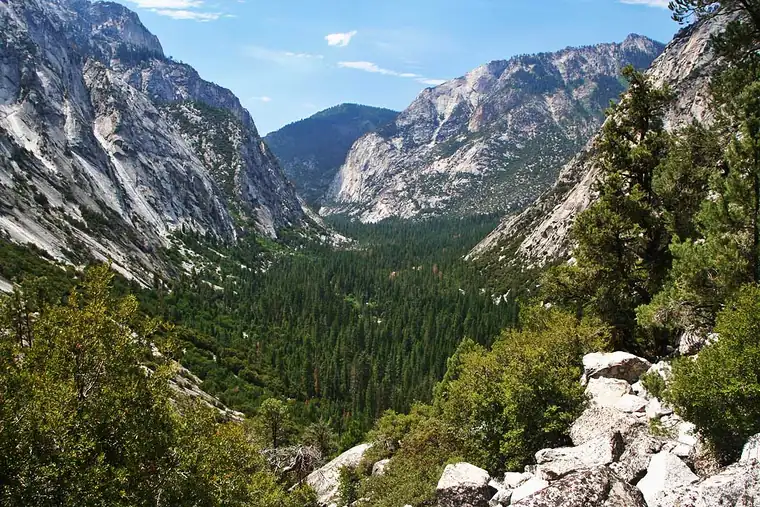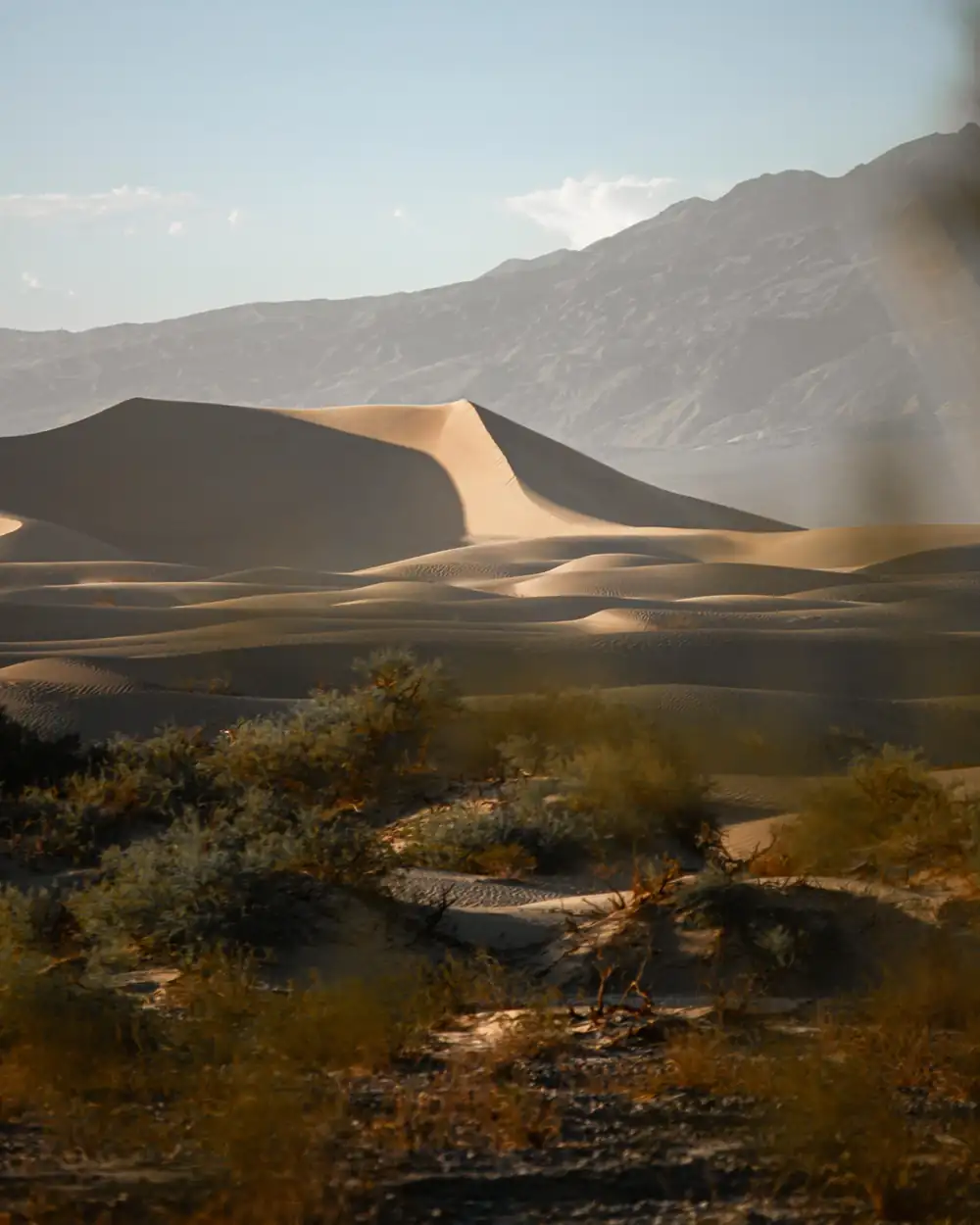
Death Valley National Park covers 3,408,396 acres in California and Nevada. It became a national park on October 31, 1994, the 53rd of today’s 64 parks to get that title. It recorded 1,320,134 recreation visits in 2025, the 24th most of the 63 parks with a 2025 count.
Today at Death Valley
LiveLoading the forecast…
Checking park alerts…
Alerts: National Park Service, checked hourly. Forecast: National Weather Service, for Furnace Creek Visitor Center. Always confirm on the official park site before you set out.
In the park service’s words
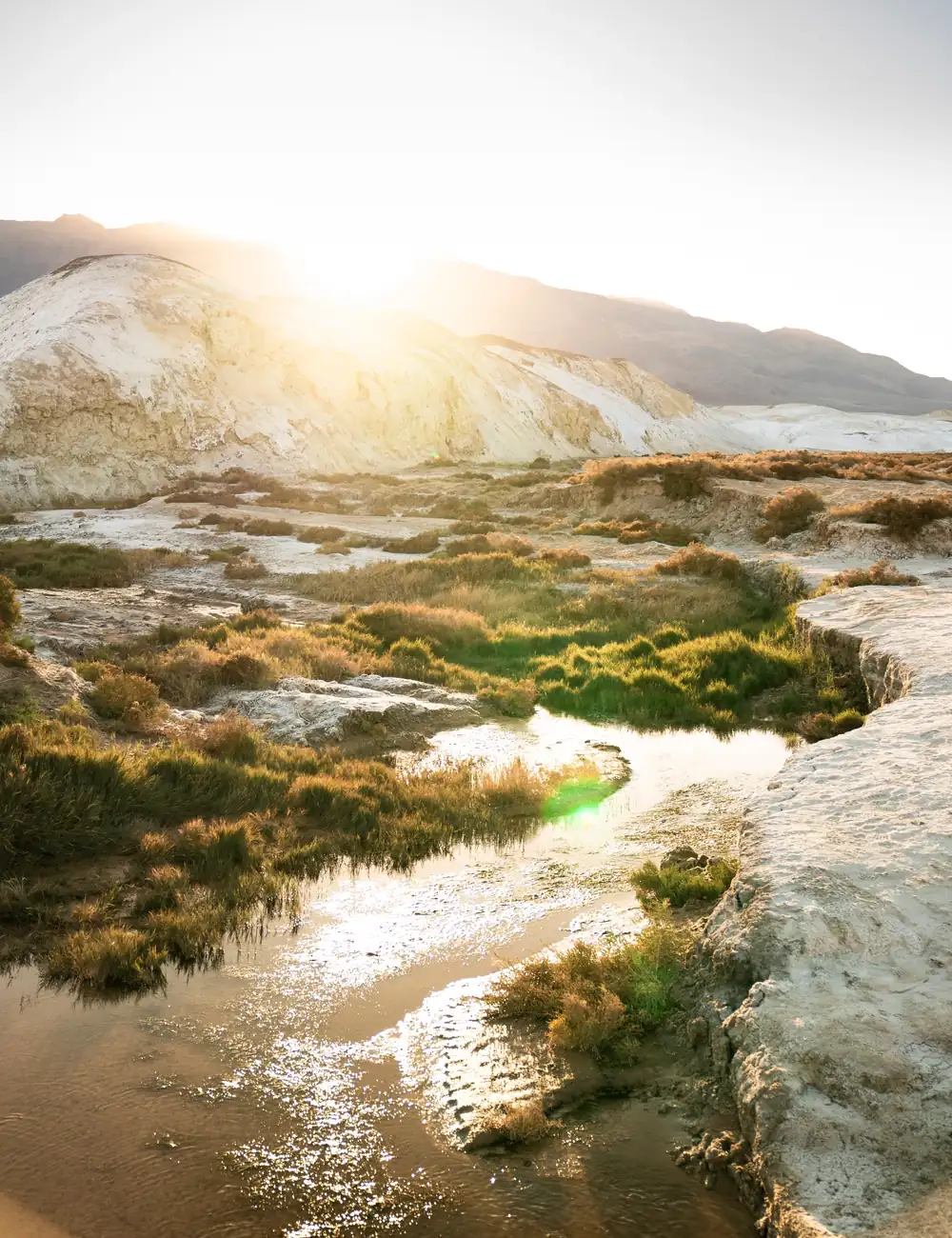
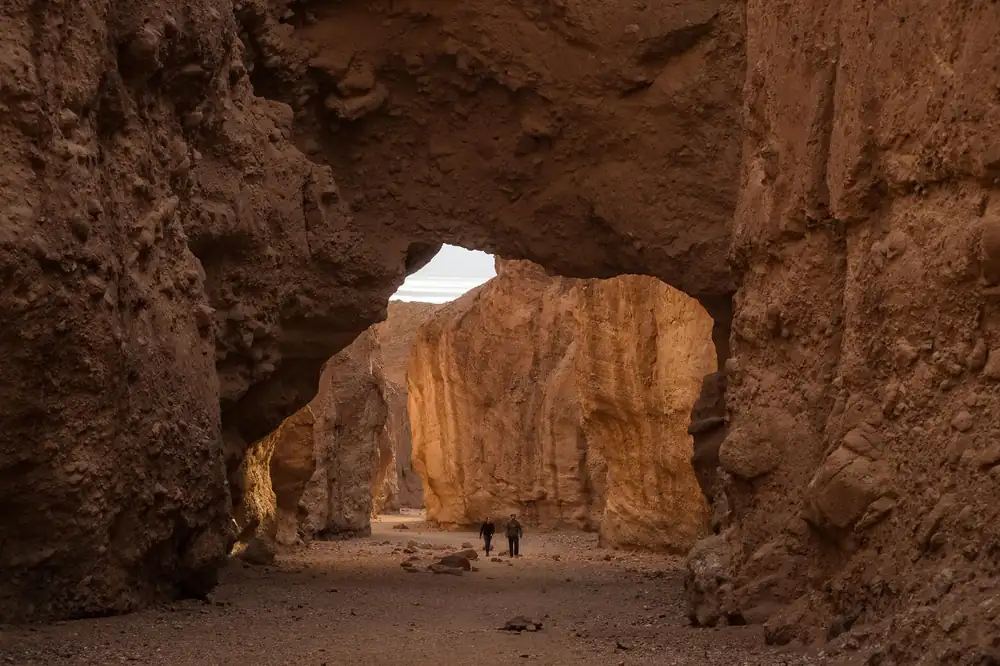
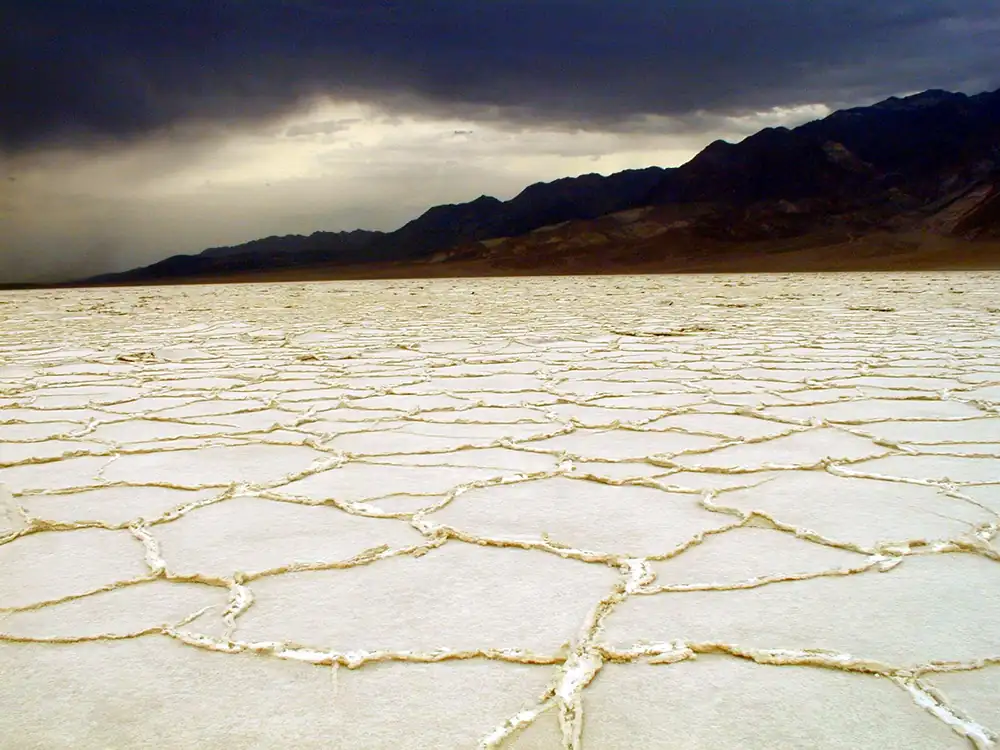
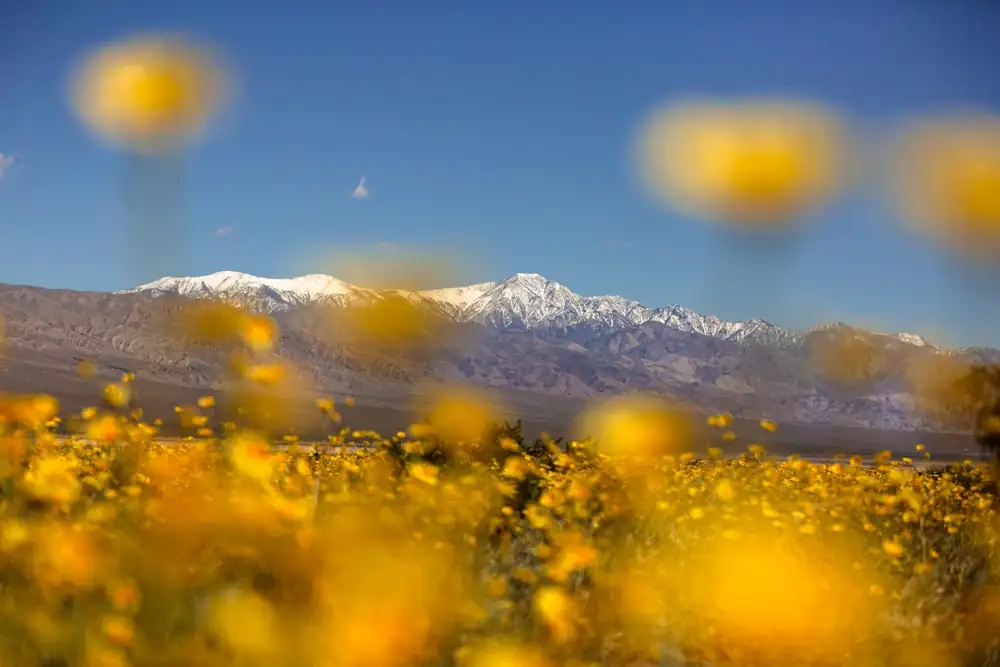
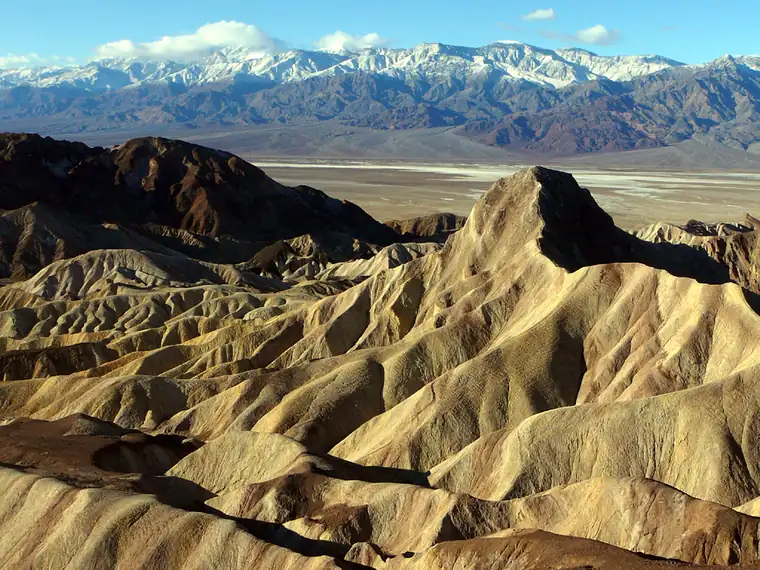
In this below-sea-level basin, steady drought and record summer heat make Death Valley a land of extremes. Yet, each extreme has a striking contrast. Towering peaks are frosted with winter snow. Rare rainstorms bring vast fields of wildflowers. Lush oases harbor tiny fish and refuge for wildlife and humans. Despite its morbid name, a great diversity of life thrives in Death Valley.
From the National Park Service (public domain).
Entrance fee and passes
The standard entrance pass is $30 per vehicle. All visitors, including Non-US residents, may purchase and utilize this entrance fee. Purchasing this entrance fee allows all persons traveling in one single private, non-commercial vehicle (car/truck/van/RV/aircraft) to leave and re-enter the park as many times as they wish during the 7-day period from the date of purchase.
The $80 America the Beautiful pass for U.S. residents covers this fee and everyone in your car. It pays for itself after 3 visits at this price, and it is accepted at every national park.
Entrance is free for U.S. residents on the 2026 fee-free days.
Best time to visit
- Best time to visit Death Valley: January, February, November and December. The weather is at its most comfortable then, and crowds are lighter than at the peak.
- Busiest month: March, with about 153,561 visits in a typical recent year. That is 1.9 times as many as June.
- Quietest month: June (79,000 visits).
Bar height: visitors that month, compared with the busiest month. Temperatures: average daily high and low (°F); rain and snow: monthly averages. Best marks the months we suggest.
More detail: the best time to visit Death Valley, month by month.
Plan your visit
- Best time to visit: crowds and weather month by month
- Itinerary: ready-made plans for 1 to 3 days
- Things to do: 3 hikes and 11 other activities
- Camping, RVs and lodging: 12 campgrounds, 1 lodges
- Getting there: Nearest gas to Stovepipe Wells Ranger Station: Stovepipe Wells Gas Station, 0.1 miles away. Closest airport Eastern Sierra Regional Airport (91 mi)
- Know before you go: safety, what to pack and what to leave at home
Popular hikes
- Running in Death Valley: Go for a run in Death Valley! The park can be a very interesting and challenging place to test your road running or trail running abilities. Over 1,000 miles of paved and dirt roads, plus almost endless cross country opportunities await you. To enjoy the park safely, please run in the cooler months.
- Day Hiking: Looking for somewhere to hike in Death Valley? The park has interpretive trails, hiking trails, and unofficial hiking routes, and is open to cross-country travel by foot in most places.
- Hiking/Visiting with Pets: Due to the extreme weather, it is not usually a good idea to bring a pet to Death Valley if you want to do any exploring out of your vehicle. If you are traveling through the park with a pet, and want to know where they are allowed to go, this is where to find that info! Stick to the roads, developed areas, and campgro
Weather, in the park service’s words
The park service says:
SPRING is the most popular time to visit Death Valley. Warm and sunny days with the possibility of spring wildflowers is a big attraction. SUMMER starts early in Death Valley. By May the valley can be scorching hot. AUTUMN arrives in late October, with warm but pleasant temperatures and generally clear skies. WINTER has cool days, chilly nights and rarely, rainstorms. With snow capping the high peaks and low angled winter light, this season is especially beautiful for exploring the valley.
From the National Park Service (public domain).
Nearby national parks by road
- Yosemite (California): about 4 h 55 min by car (222 miles)
- Zion (Utah): about 5 h 10 min by car (283 miles)
- Joshua Tree (California): about 5 h 20 min by car (246 miles)
- Sequoia (California): about 6 h 20 min by car (276 miles)
Drive times run between the closest visitor centers of each pair, estimated with OSRM routing on OpenStreetMap roads. Link several parks with the road trip planner.
Sources
Last checked 1 November 2026.
Frequently asked questions
How much does it cost to enter Death Valley National Park?
The standard entrance pass is $30 per vehicle. All visitors, including Non-US residents, may purchase and utilize this entrance fee. Purchasing this entrance fee allows all persons traveling in one single private, non-commercial vehicle (car/truck/van/RV/aircraft) to leave and re-enter the park as many times as they wish during the 7-day period from the date of purchase.
What state is Death Valley National Park in?
California and Nevada.
When did Death Valley become a national park?
October 31, 1994.
How many people visit Death Valley?
1,320,134 recreation visits were counted in 2025.
When is the best time to visit Death Valley?
January, February, November and December. March is the busiest month and June the quietest while the park is fully open.