Great Basin National Park covers 77,180 acres in Nevada. It became a national park on October 27, 1986, the 49th of today’s 64 parks to get that title. It recorded 161,210 recreation visits in 2025, the 54th most of the 63 parks with a 2025 count.
Today at Great Basin
LiveLoading the forecast…
Checking park alerts…
Alerts: National Park Service, checked hourly. Forecast: National Weather Service, for Lehman Caves Visitor Center. Always confirm on the official park site before you set out.
In the park service’s words
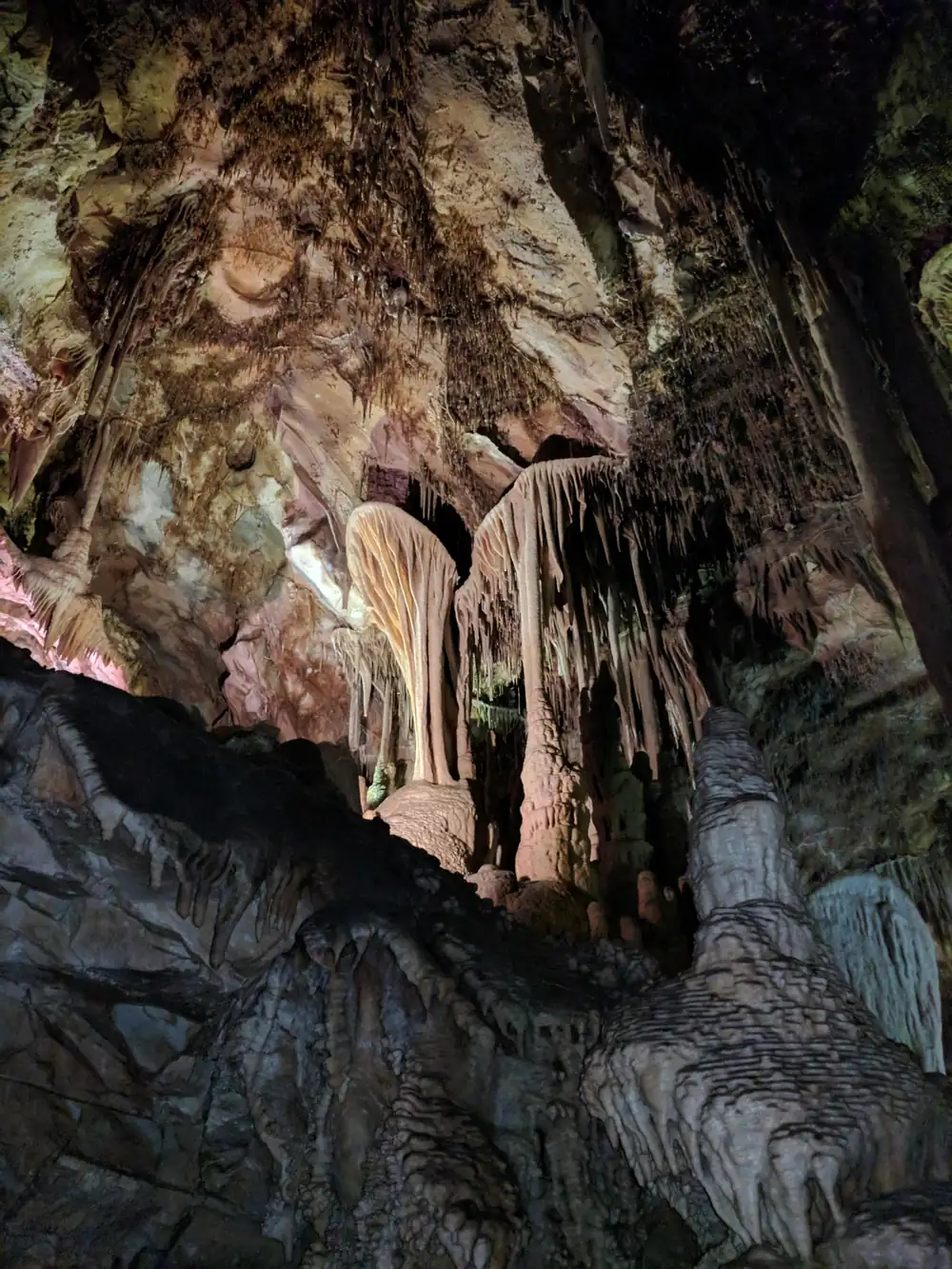
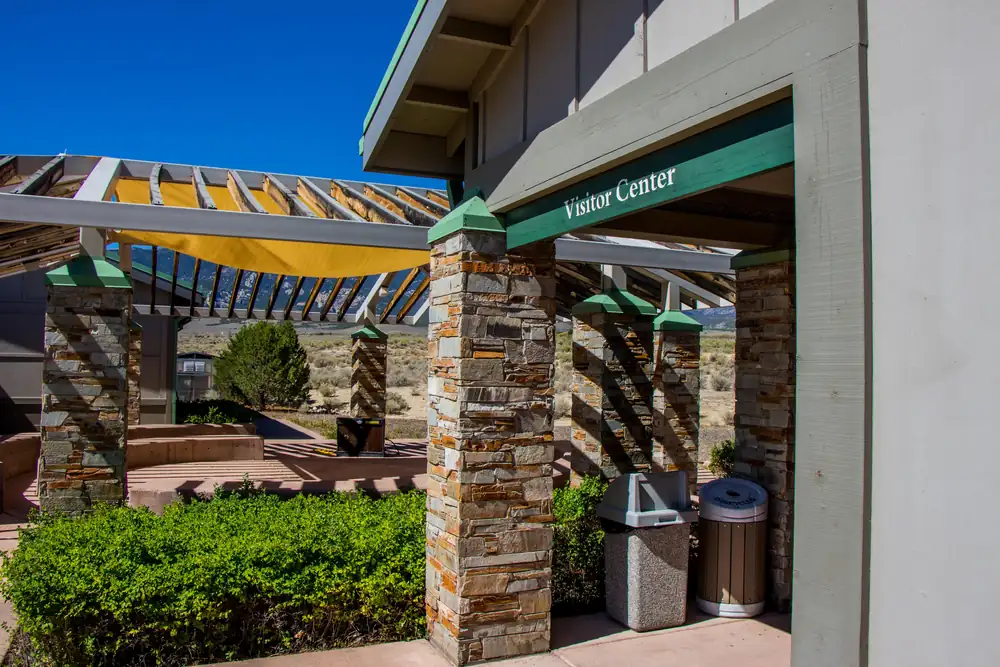
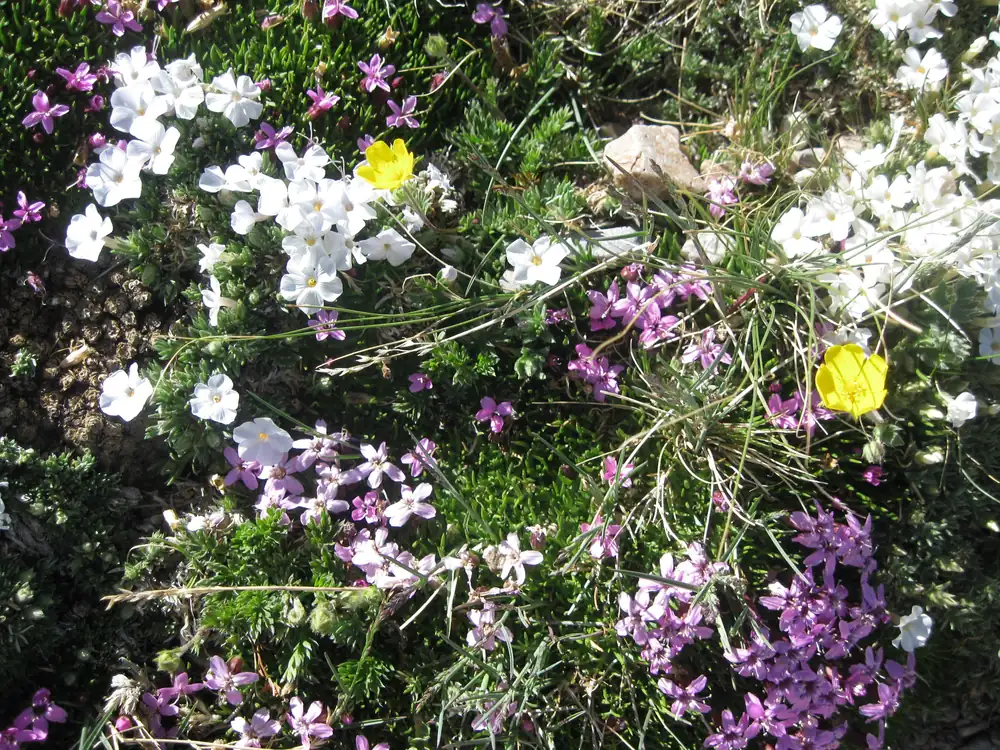
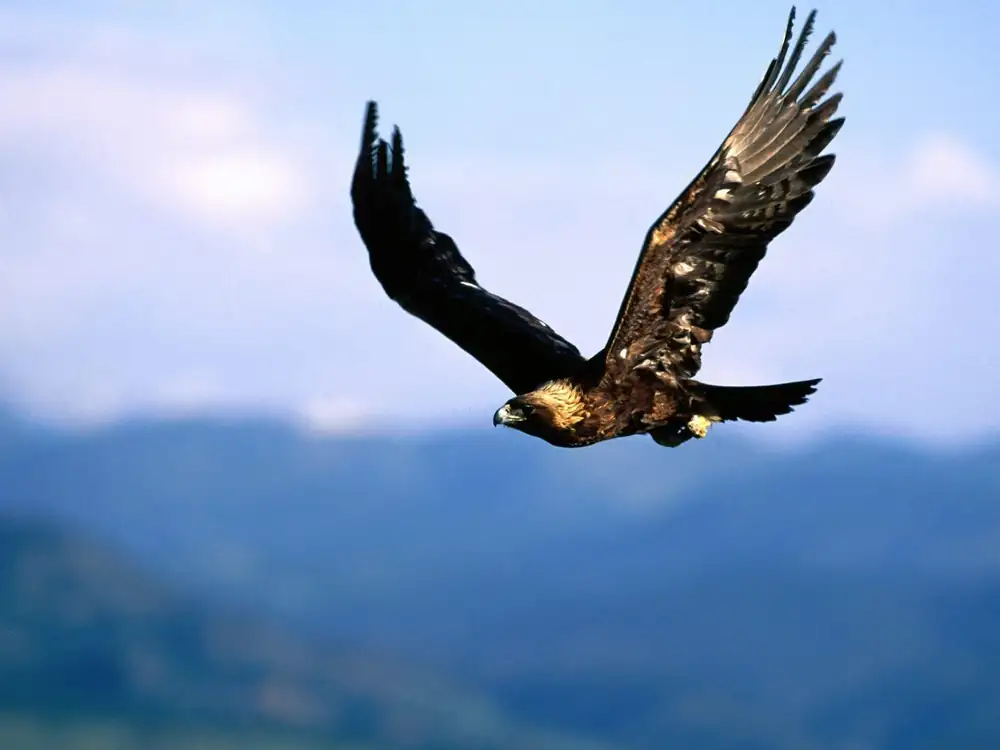
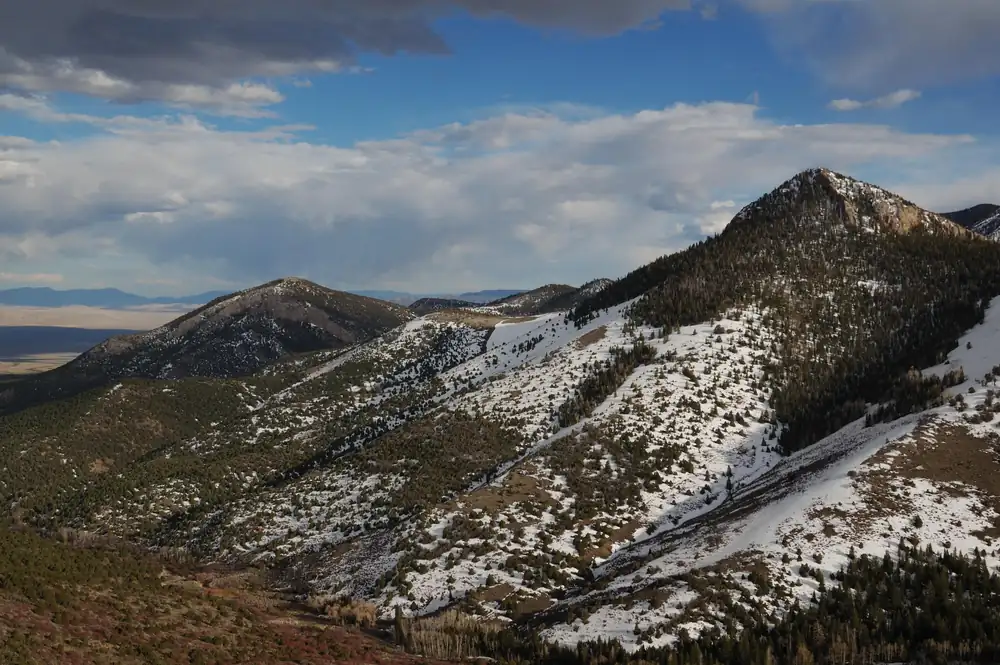
From the 13,063-foot summit of Wheeler Peak to the sagebrush-covered foothills, Great Basin National Park hosts a sample of the incredible diversity of the larger Great Basin region. Come and partake of the solitude of the wilderness, walk among ancient bristlecone pines, bask in the darkest of night skies, and explore mysterious subterranean passages. There's a lot more than just desert here.
From the National Park Service (public domain).
Entrance fee and passes
No entrance fee is listed for this park in National Park Service data. You do not need a pass to enter. Parking, ferry, boat or other transport fees can still apply.
Best time to visit
- Best time to visit Great Basin: May, June, August and October. The weather is at its most comfortable then, and crowds are lighter than at the peak.
- Busiest month: September, with about 25,188 visits in a typical recent year. That is 3.1 times as many as April.
- Quietest month: December (1,220 visits), when weather or closures keep most people away.
Bar height: visitors that month, compared with the busiest month. Temperatures: average daily high and low (°F); rain and snow: monthly averages. Best marks the months we suggest.
More detail: the best time to visit Great Basin, month by month.
Plan your visit
- Best time to visit: crowds and weather month by month
- Itinerary: a ready-made day
- Things to do: 24 hikes and 10 other activities
- Camping, RVs and lodging: 7 campgrounds
- Getting there: Nearest gas to Great Basin Visitor Center: Baker Fuel and RV in Baker, 0.5 miles away. Closest airport Cedar City Regional Airport (107 mi)
- Know before you go: safety, what to pack and what to leave at home
Popular hikes
- Hike the Baker Creek Loop (90 to 180 Minutes): An upper easy/low moderate hike, Baker Creek is often accessible or semi-accessible year round, making a viable alternative when roads close or parking lots are crowded. 3.3 miles makes for acceptable easy distance for most visitors, though challenging in the winter when deep snow is present.
- Hike to the Wheeler Peak Bristlecone Grove (1 to 3 Hours): The Bristlecone Trail is not to be missed on a visit to the park. This 2.8-mile round-trip hike takes visitors through some of the oldest organisms on Earth, and offers opportunities for introspection as you consider your place in the universe.
- Hike to Lexington Arch (2 to 4 Hours): Hike 5.6 miles through shrubland to see one of the largest limestone arches in the world. Find plenty of peace on this lesser traveled trail. Lexington Arch is also the only park trail that allows dogs, so bring your pet for an excursion to this remote corner of the park.
- Hike the Upper Strawberry Trail (2 to 4 Hours): The meadows of the Sage Steppe Loop combined with moderate difficulty ascending to a mountain saddle, the Upper Strawberry trail's 4.0 miles provides ample fall colors and plenty of running water.
- Hike the Sage Steppe Loop (30 to 90 Minutes): Wildlife, wildflowers, escapes from the heat, and an easy trail to boot. The Sage Steppe Loop is both a wonderful introduction to the park and a great chance to get away from the crowds.
Weather, in the park service’s words
The park service says:
There is almost an 8,000 ft (2,400 m) difference in elevation between Wheeler Peak and the valley floor. Weather conditions in the park vary with elevation. In late spring and early summer, days in the valley may be hot, yet the snow pack may not have melted in the higher elevations. The Great Basin is a desert, with low relative humidity and sharp drops in temperature at night. In the summer, fierce afternoon thunderstorms are common. It can snow any time of the year at high elevations.
From the National Park Service (public domain).
Nearby national parks by road
- Zion (Utah): about 3 h 5 min by car (156 miles)
- Bryce Canyon (Utah): about 3 h 50 min by car (185 miles)
- Capitol Reef (Utah): about 5 h 5 min by car (249 miles)
- Arches (Utah): about 6 h 5 min by car (321 miles)
Drive times run between the closest visitor centers of each pair, estimated with OSRM routing on OpenStreetMap roads. Link several parks with the road trip planner.
Sources
Last checked 1 November 2026.
Frequently asked questions
How much does it cost to enter Great Basin National Park?
No entrance fee is listed for this park in National Park Service data.
What state is Great Basin National Park in?
Nevada.
When did Great Basin become a national park?
October 27, 1986.
How many people visit Great Basin?
161,210 recreation visits were counted in 2025.
When is the best time to visit Great Basin?
May, June, August and October. September is the busiest month and April the quietest while the park is fully open.