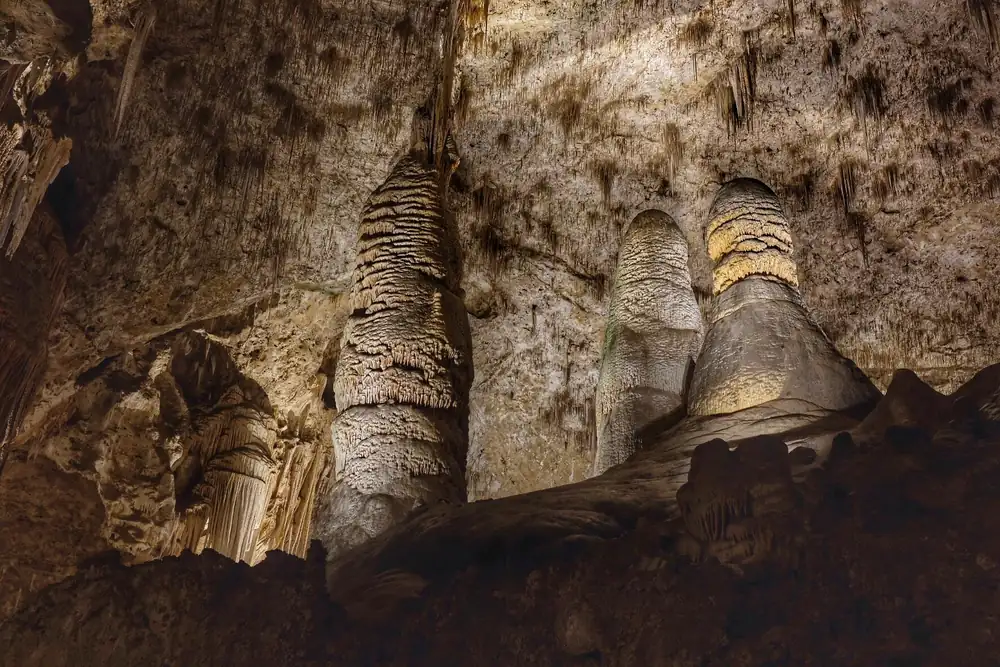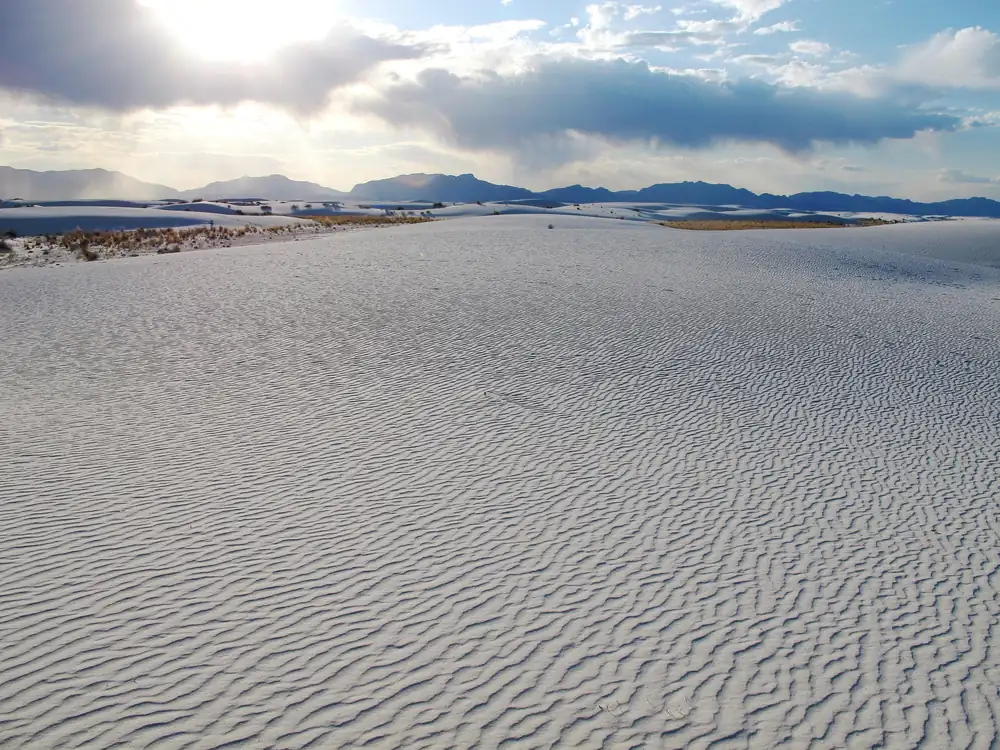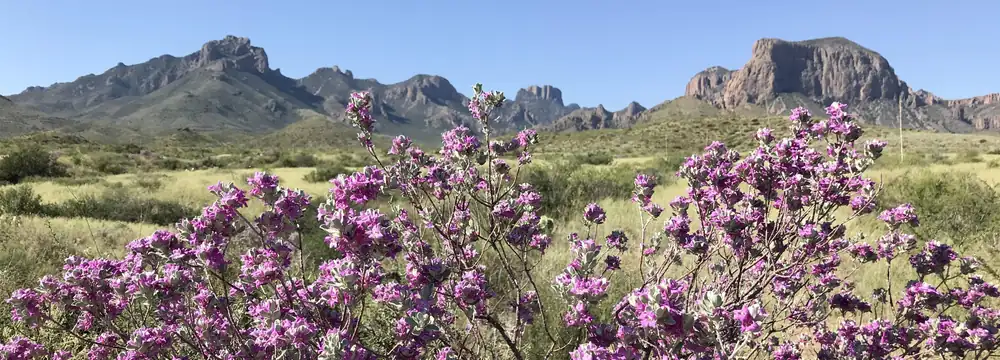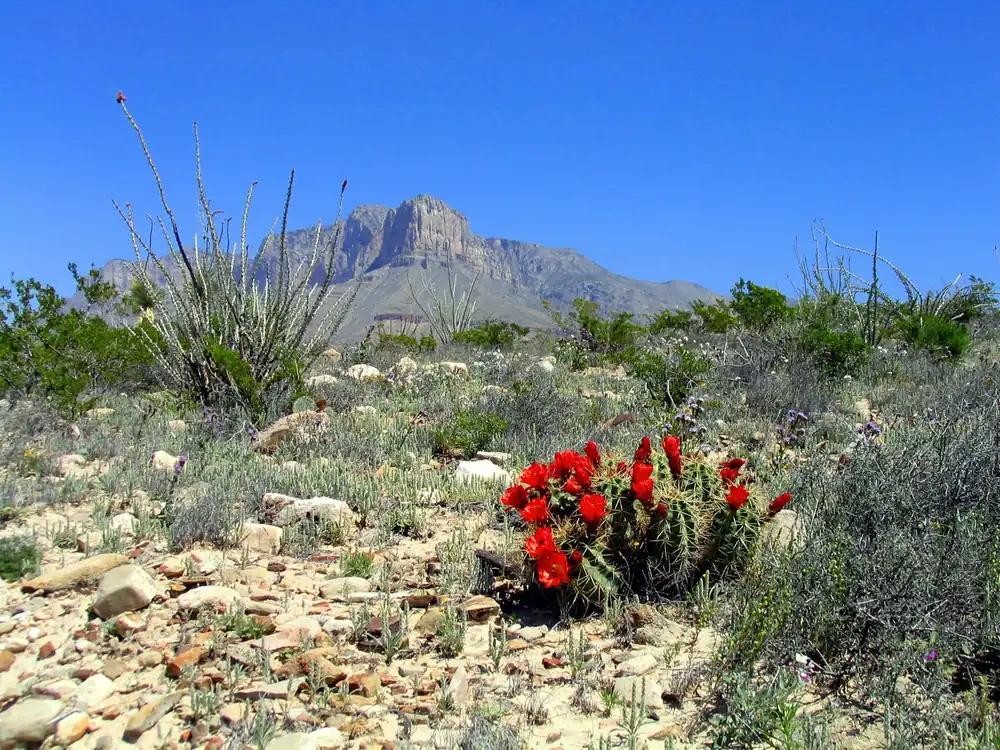
Guadalupe Mountains National Park covers 86,367 acres in Texas. It became a national park on September 30, 1972, the 36th of today’s 64 parks to get that title. It recorded 206,423 recreation visits in 2025, the 52nd most of the 63 parks with a 2025 count.
Today at Guadalupe Mountains
LiveLoading the forecast…
Checking park alerts…
Alerts: National Park Service, checked hourly. Forecast: National Weather Service, for Pine Springs Visitor Center. Always confirm on the official park site before you set out.
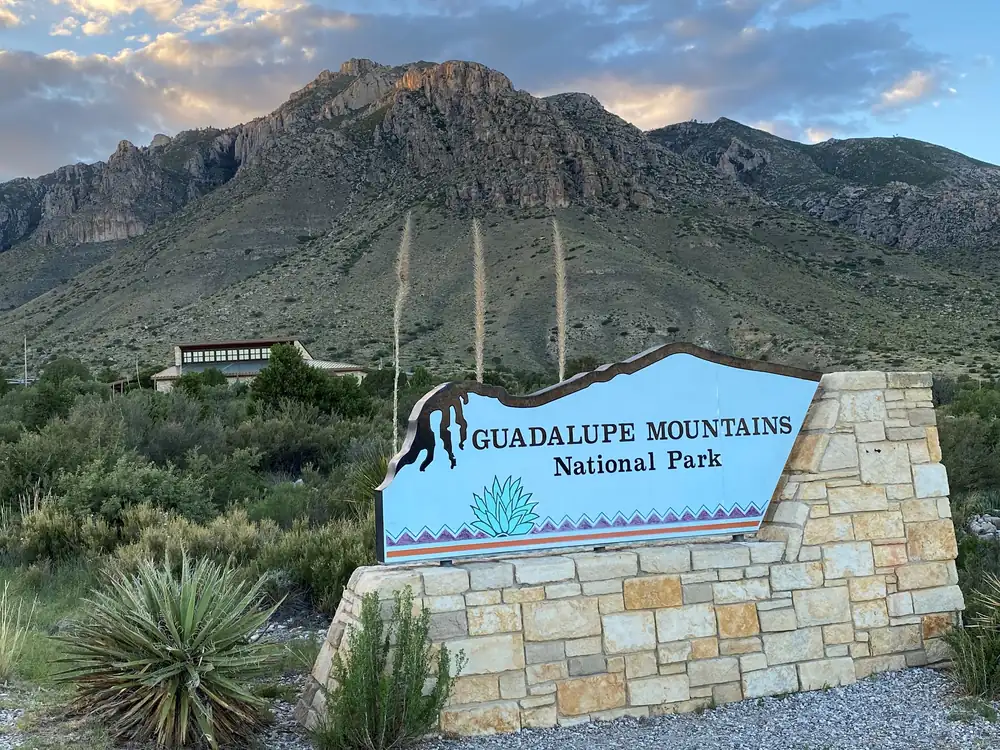
In the park service’s words
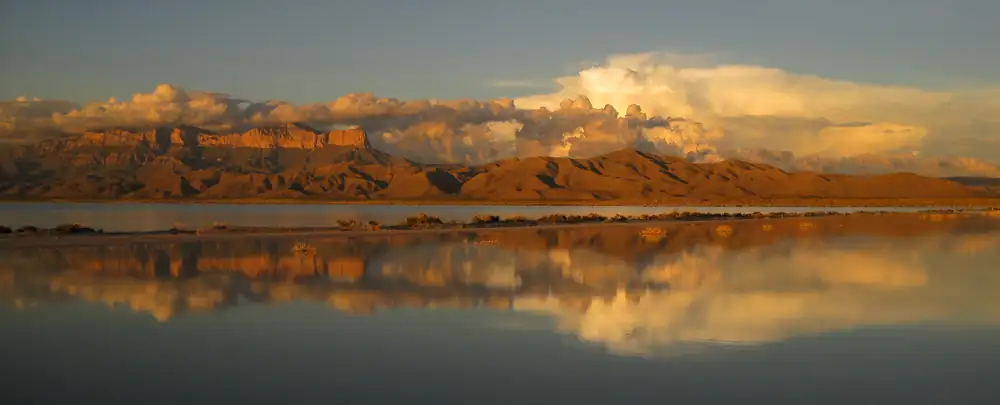
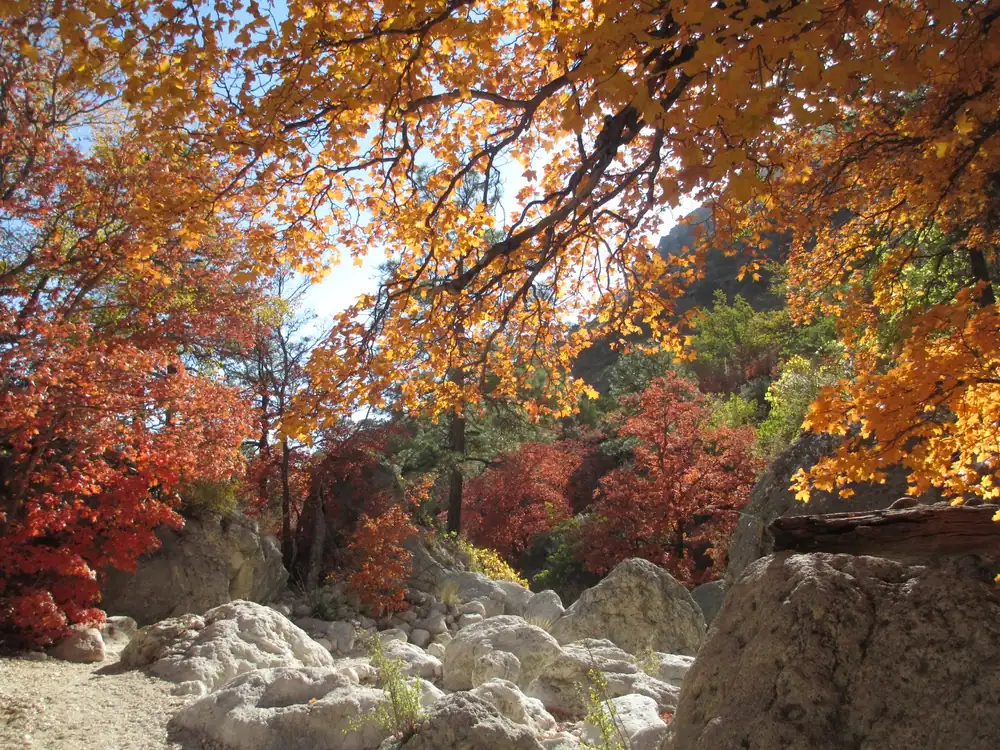
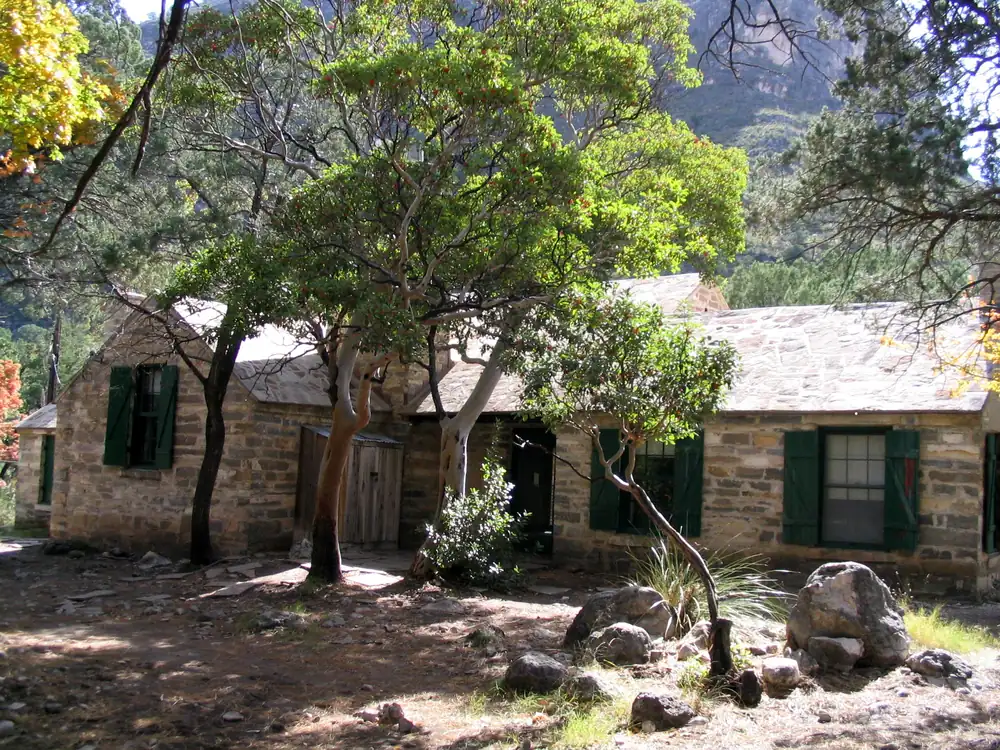
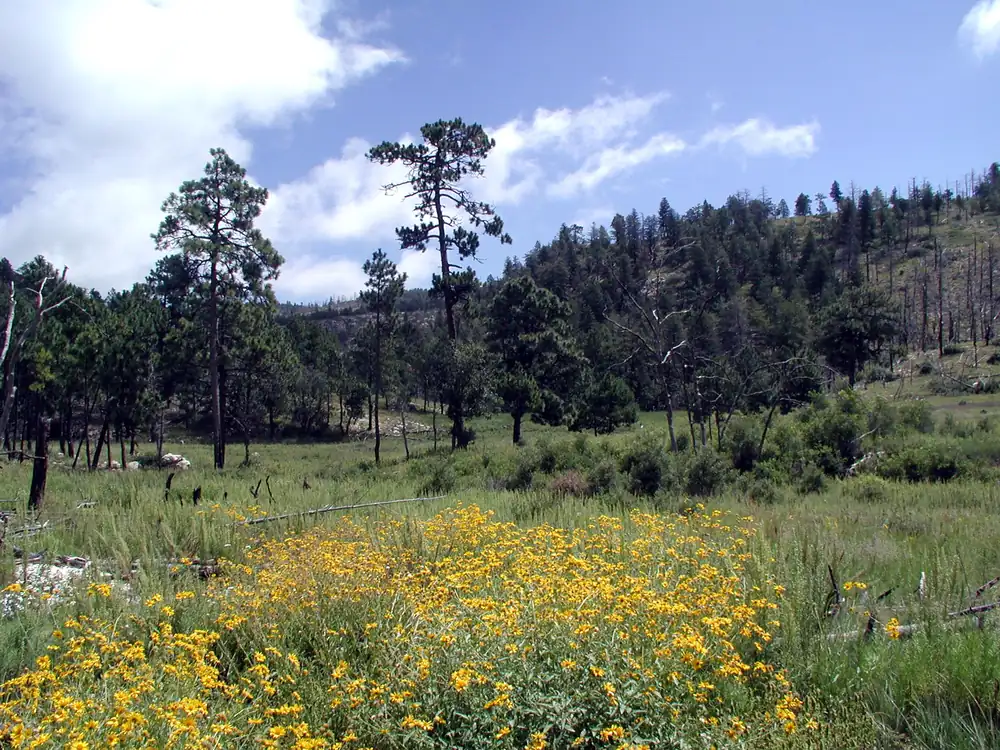
Come experience mountains and canyons, desert and dunes, night skies and spectacular vistas within a place unlike any other. Guadalupe Mountains National Park protects the world's most extensive Permian fossil reef, the four highest peaks in Texas, an environmentally diverse collection of flora and fauna, and the stories of lives shaped through conflict, cooperation and survival.
From the National Park Service (public domain).
Entrance fee and passes
The standard entrance pass is $10 per person. An entrance fee of $10 per person (16 years of age and older) is required; entrance fees/passes permit 1-7 consecutive days of use in this national park. Holders of the Annual, Senior, Military, 4th grade and Access Pass can bring in 3 adults free of charge under their pass. Any pass must be displayed in a vehicle while in the national park.
Here the fee is charged per person. An America the Beautiful pass covers the pass holder plus three more adults.
Entrance is free for U.S. residents on the 2026 fee-free days.
Best time to visit
- Best time to visit Guadalupe Mountains: May and September to November. The weather is at its most comfortable then, and crowds are lighter than at the peak.
- Busiest month: March, with about 34,855 visits in a typical recent year. That is 3.9 times as many as August.
- Quietest month: August (8,839 visits).
Bar height: visitors that month, compared with the busiest month. Temperatures: average daily high and low (°F); rain and snow: monthly averages. Best marks the months we suggest.
More detail: the best time to visit Guadalupe Mountains, month by month.
Plan your visit
- Best time to visit: crowds and weather month by month
- Itinerary: a ready-made day
- Things to do: 30 hikes and 18 other activities
- Camping, RVs and lodging: 13 campgrounds, 3 lodges
- Getting there: closest airport Cavern City Air Terminal (46 mi)
- Know before you go: safety, what to pack and what to leave at home
Popular hikes
- The Notch (5 to 7 Hours): The hike to "the Notch" is a challenging day hike that proceeds through McKittrick Canyon to a dramatic viewpoint about half way up toward McKittrick Ridge.
- Hiking off-trail (1 to 8 Hours): A new kind of experience in the Guadalupe Mountains starts where the maintained trail ends. However, off-trail hiking requires planning and preparation and carries a great deal of risk. Any person or persons planning to hike off trail in the park must stop by the Pine Springs Visitor Center and be issued an off-trail h
- McKittrick Canyon to Dog Canyon (8 to 12 Hours): The McKittrick Canyon Trail follows the floor of South McKittrick Canyon for four miles before climbing steeply to gain the ridge on the north side of the canyon. This is an arduous climb provides spectacular views into the canyon and to the ridges that border it. This is an extremely rewarding trail, offering both the
- McKittrick Ridge (8 to 12 Hours): The journey to the top of McKittrick Ridge is "the toughest hike in Texas." This arduous hike is best enjoyed as an overnight hike allowing for rest, recovery, and fabulous night skies at the McKittrick Ridge Wilderness Campground. An overnight Wilderness Use Permit is required for camping.
- Day Hike Preparation: As with most activities, hikers face potential risks. Knowledge and preparation can increase your comfort level and reduce your chances of injury. Remember, you are ultimately responsible for your own safety.
Webcams
- El Capitan View
- Dog Canyon View
- Pine Springs Canyon View
- McKittrick Canyon View
- McKittrick Parking Lot
Weather, in the park service’s words
The park service says:
The Guadalupe Mountains are known for high winds year-round; gusts can reach 60MPH or higher. In winter the mountains experiences occasional, light snowfalls which seldom last more than a day. From May through October, temperatures vary with highs between 80F-100F+ with lows in the 40F-60F range. November to April is generally milder with highs in between 50F-70F with lows in the 30F-50F range. Elevations above 8,000’ will be about 10F cooler than headquarters, with corresponding wind-chill.
From the National Park Service (public domain).
Nearby national parks by road
- Carlsbad Caverns (New Mexico): about 53 min by car (39 miles)
- White Sands (New Mexico): about 3 h 35 min by car (194 miles)
- Big Bend (Texas): about 4 h 40 min by car (236 miles)
- Chiricahua (Arizona): about 6 h 55 min by car (378 miles)
Drive times run between the closest visitor centers of each pair, estimated with OSRM routing on OpenStreetMap roads. Link several parks with the road trip planner.
Sources
Last checked 1 November 2026.
Frequently asked questions
How much does it cost to enter Guadalupe Mountains National Park?
The standard entrance pass is $10 per person. An entrance fee of $10 per person (16 years of age and older) is required; entrance fees/passes permit 1-7 consecutive days of use in this national park. Holders of the Annual, Senior, Military, 4th grade and Access Pass can bring in 3 adults free of charge under their pass. Any pass must be displayed in a vehicle while in the national park.
What state is Guadalupe Mountains National Park in?
Texas.
When did Guadalupe Mountains become a national park?
September 30, 1972.
How many people visit Guadalupe Mountains?
206,423 recreation visits were counted in 2025.
When is the best time to visit Guadalupe Mountains?
May and September to November. March is the busiest month and August the quietest while the park is fully open.