Big Bend National Park covers 801,163 acres in Texas. It became a national park on June 12, 1944, the 27th of today’s 64 parks to get that title. It recorded 568,104 recreation visits in 2025, the 38th most of the 63 parks with a 2025 count.
Today at Big Bend
LiveLoading the forecast…
Checking park alerts…
Alerts: National Park Service, checked hourly. Forecast: National Weather Service, for Panther Junction Visitor Center. Always confirm on the official park site before you set out.
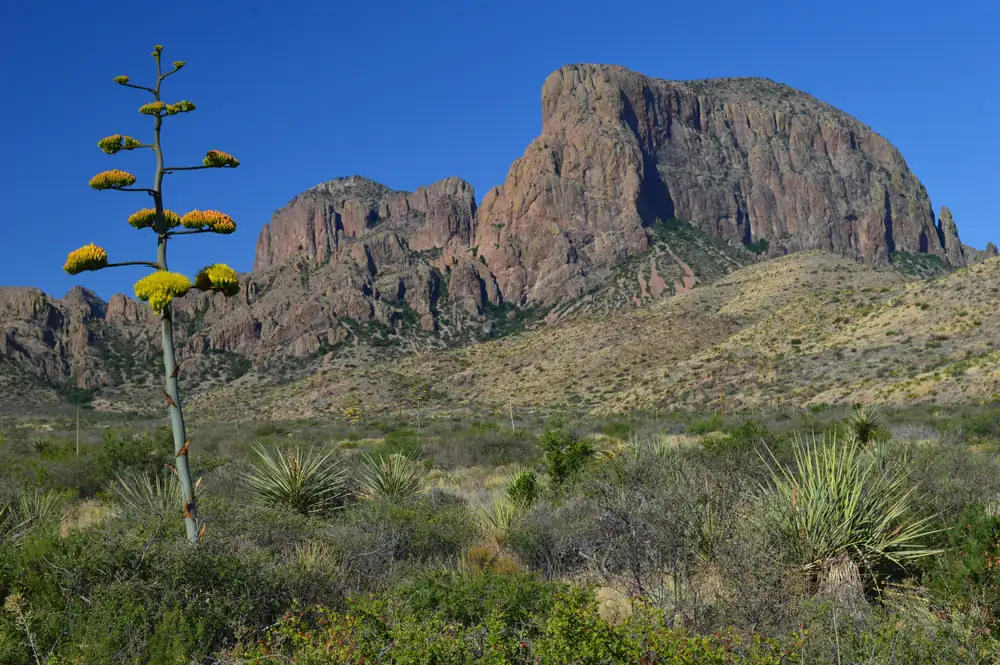
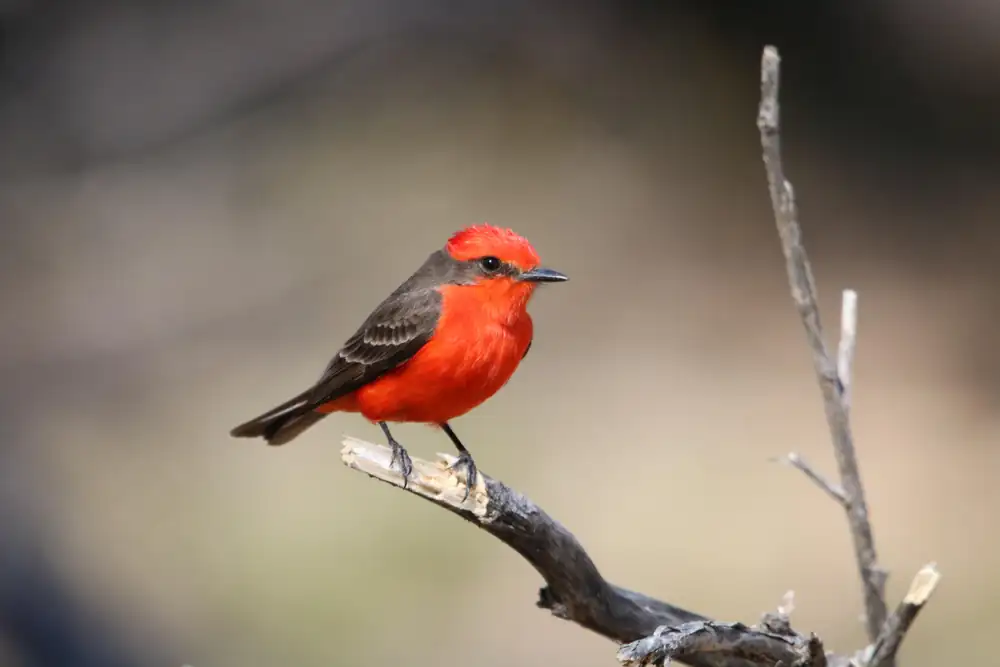
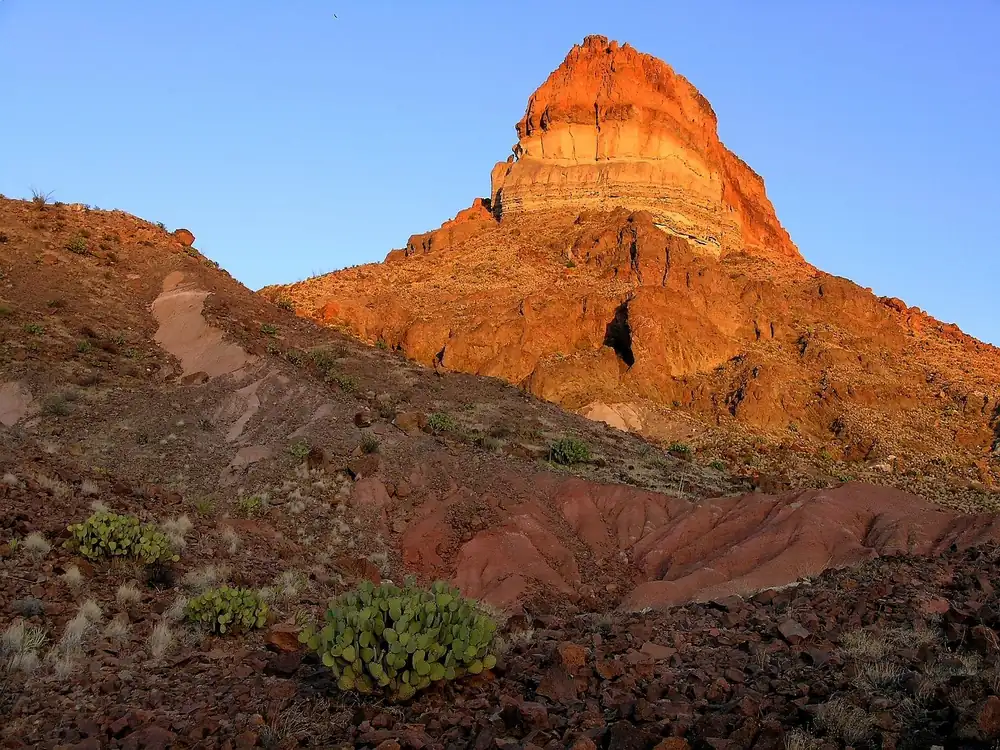
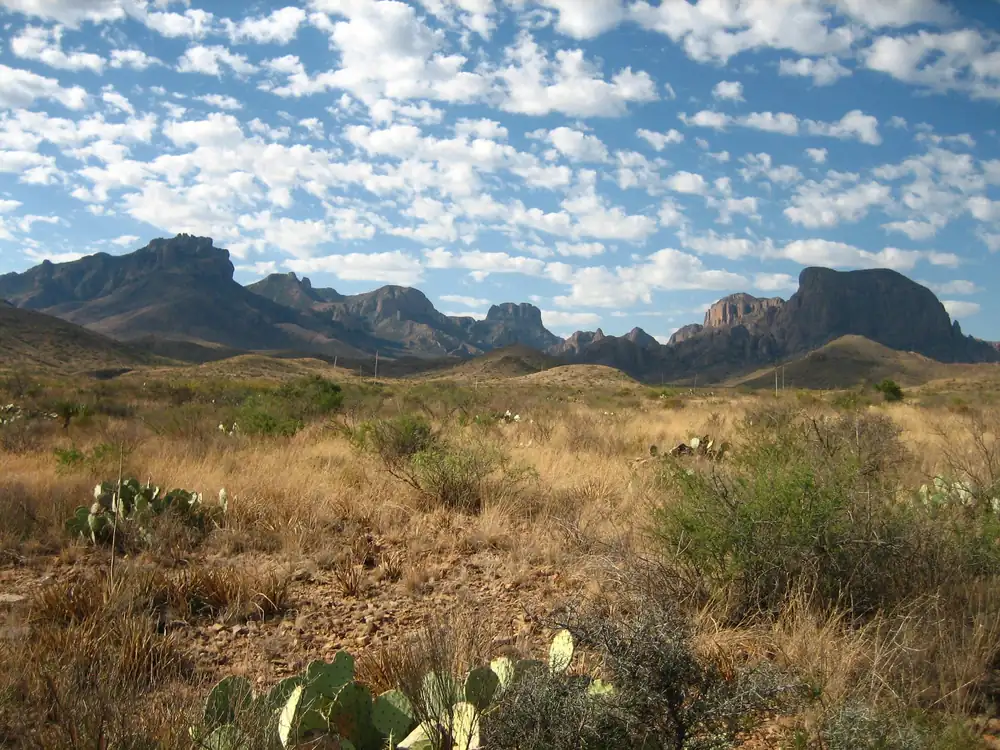
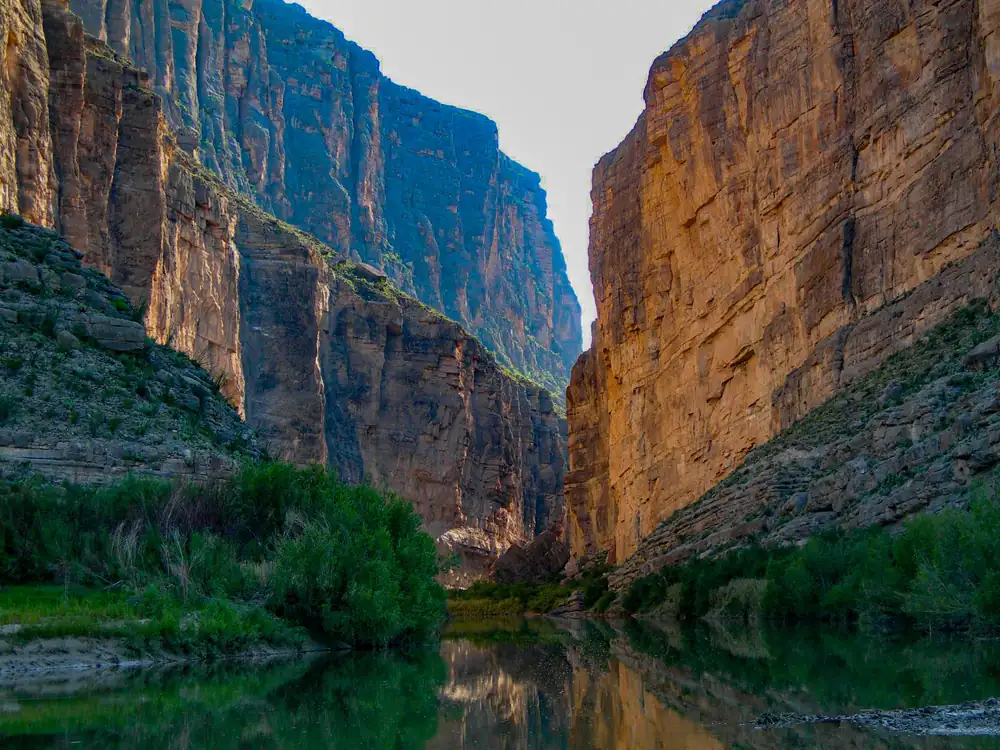
In the park service’s words
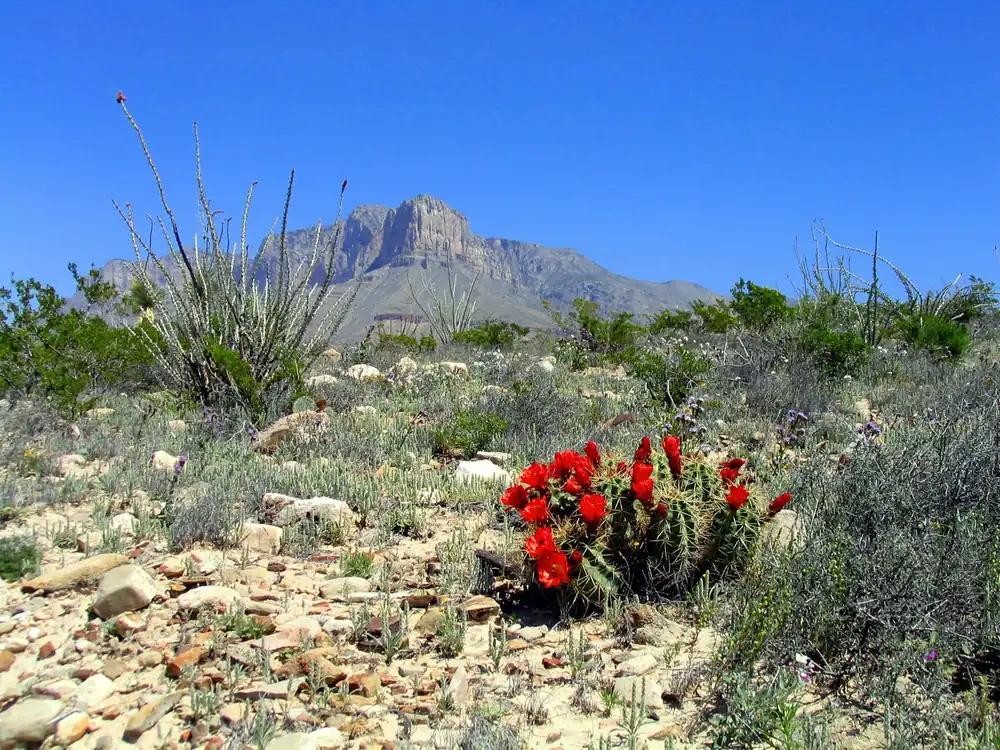
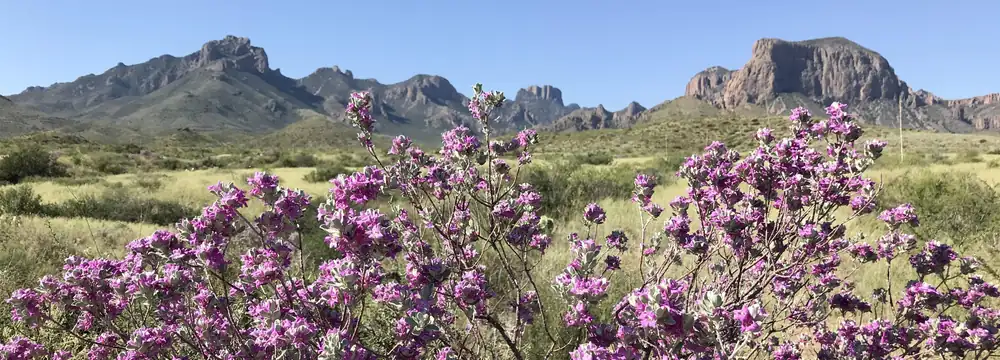
There is a place in Far West Texas where night skies are dark as coal and rivers carve temple-like canyons in ancient limestone. Here, at the end of the road, hundreds of bird species take refuge in a solitary mountain range surrounded by weather-beaten desert. Tenacious cactus bloom in sublime southwestern sun, and species diversity is the best in the country. This magical place is Big Bend...
From the National Park Service (public domain).
Entrance fee and passes
The standard entrance pass is $30 per vehicle. Admits one private, non-commercial vehicle (15 passenger capacity or less); valid for 7 days.
The $80 America the Beautiful pass for U.S. residents covers this fee and everyone in your car. It pays for itself after 3 visits at this price, and it is accepted at every national park.
Entrance is free for U.S. residents on the 2026 fee-free days.
Best time to visit
- Best time to visit Big Bend: January, February, October and November. The weather is at its most comfortable then, and crowds are lighter than at the peak.
- Busiest month: March, with about 92,864 visits in a typical recent year. That is 4.1 times as many as June.
- Quietest month: August (15,328 visits), when weather or closures keep most people away.
Bar height: visitors that month, compared with the busiest month. Temperatures: average daily high and low (°F); rain and snow: monthly averages. Best marks the months we suggest.
More detail: the best time to visit Big Bend, month by month.
Plan your visit
- Best time to visit: crowds and weather month by month
- Itinerary: ready-made plans for 1 to 3 days
- Things to do: 4 hikes and 15 other activities
- Camping, RVs and lodging: 4 campgrounds, 2 lodges
- Getting there: Nearest gas to Panther Junction Visitor Center: Panther Junction Gas Station, 0.2 miles away. Closest airport Midland International Air and Space Port (193 mi)
- Know before you go: safety, what to pack and what to leave at home
Popular hikes
- List of Hiking Trails in Big Bend: Hiking trails
- See the Rio Grande: The Rio Grande is accessible from a number of places in Big Bend National Park, and a variety of hiking trails provide even further opportunities to get up close and personal with our watery border with Mexico.
- Hike the Lost Mine Trail: The Lost Mine Trail climbs to the side of Lost Mine Peak, offering spectacular views of Juniper Canyon and the Northeast Rim of the Chisos.
- Hike Into Santa Elena Canyon: The trail begins at the end of the Ross Maxwell Scenic Drive to Santa Elena Canyon, and is one of the prettiest short trails in the park. The trail crosses Terlingua Creek, takes you to the river’s edge inside the canyon and continues farther winding among large boulders until it ends abruptly where the canyon wall mee
Webcams
Weather, in the park service’s words
The park service says:
Big Bend is in the Chihuahuan Desert. Sunshine is abundant year-round. Spring (March) is typically warm and pleasant and is the park's busiest season. Summer heat begins in May. It is extremely HOT. Temperatures vary greatly between the desert which is usually well above 100 degrees F by late morning, and the Chisos Mountains, which can be 10-15 degrees cooler. May - August are the hottest months. Fall and Winter (Nov-Feb) are mild and pleasant, but some freezing does occur. Snow is rare.
From the National Park Service (public domain).
Nearby national parks by road
- Guadalupe Mountains (Texas): about 4 h 40 min by car (236 miles)
- Carlsbad Caverns (New Mexico): about 4 h 50 min by car (248 miles)
- White Sands (New Mexico): about 6 h 55 min by car (387 miles)
- Chiricahua (Arizona): about 10 h 5 min by car (564 miles)
Drive times run between the closest visitor centers of each pair, estimated with OSRM routing on OpenStreetMap roads. Link several parks with the road trip planner.
Sources
Last checked 1 November 2026.
Frequently asked questions
How much does it cost to enter Big Bend National Park?
The standard entrance pass is $30 per vehicle. Admits one private, non-commercial vehicle (15 passenger capacity or less); valid for 7 days.
What state is Big Bend National Park in?
Texas.
When did Big Bend become a national park?
June 12, 1944.
How many people visit Big Bend?
568,104 recreation visits were counted in 2025.
When is the best time to visit Big Bend?
January, February, October and November. March is the busiest month and June the quietest while the park is fully open.