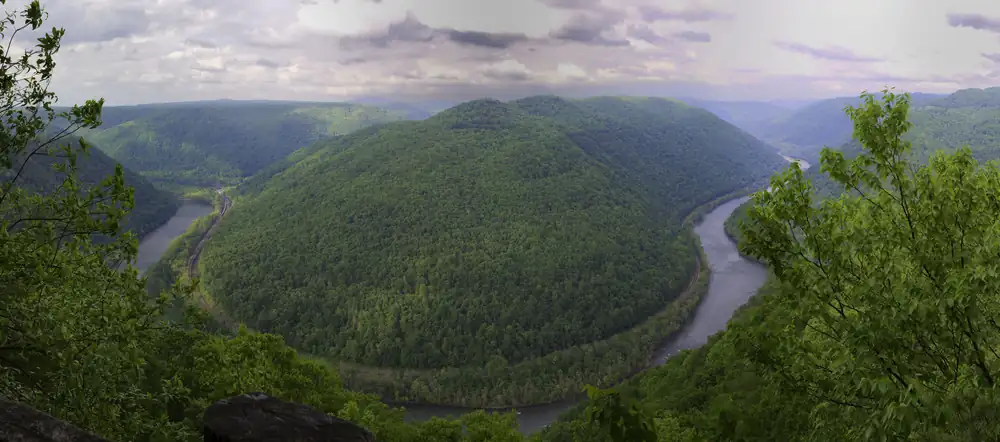
New River Gorge National Park & Preserve covers 7,021 acres in West Virginia. It became a national park on December 27, 2020, the 63rd of today’s 64 parks to get that title. It recorded 1,958,440 recreation visits in 2025, the 17th most of the 63 parks with a 2025 count.
Today at New River Gorge
LiveLoading the forecast…
Checking park alerts…
Alerts: National Park Service, checked hourly. Forecast: National Weather Service, for Grandview Visitor Center. Always confirm on the official park site before you set out.
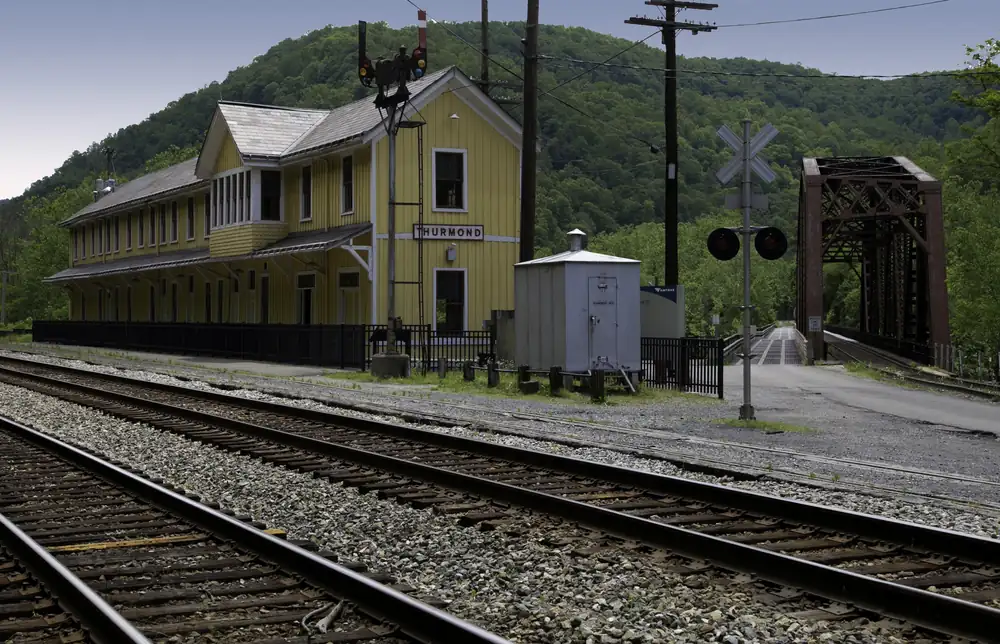
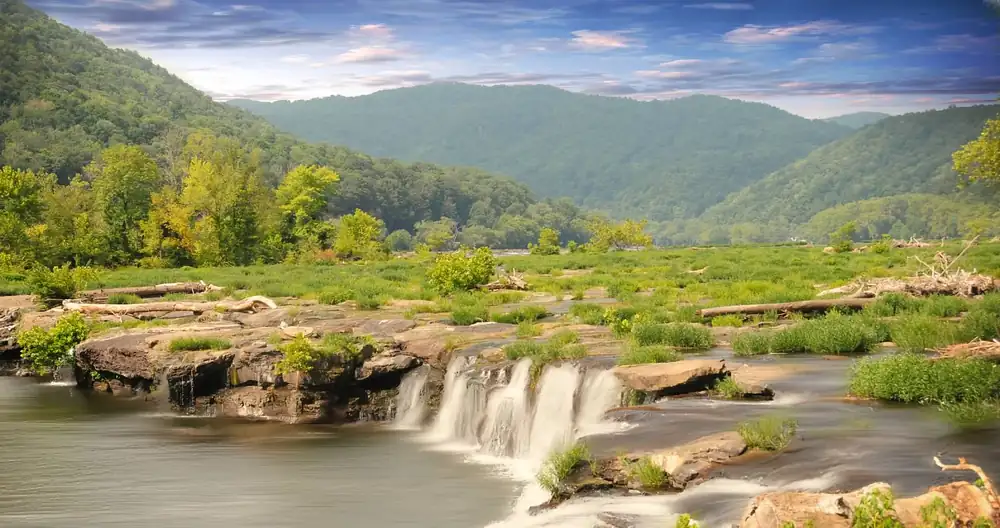

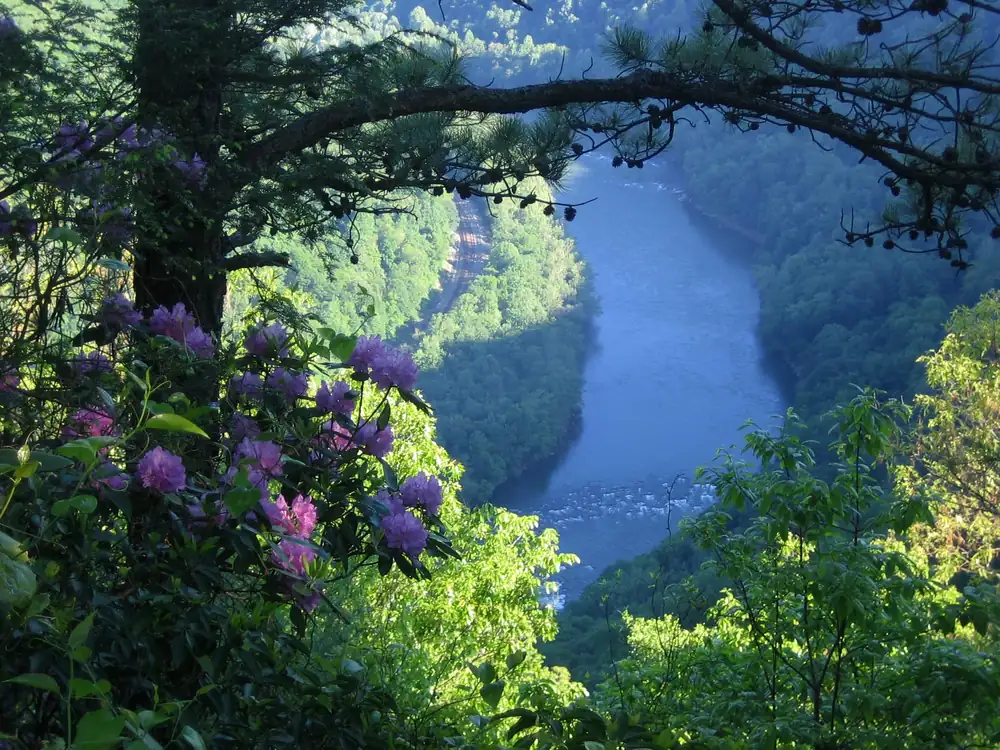
In the park service’s words
A rugged, whitewater river flowing northward through deep canyons, the New River is among the oldest rivers on the continent. The park encompasses over 70,000 acres of land along the New River, is rich in cultural and natural history, and offers an abundance of scenic and recreational opportunities.
From the National Park Service (public domain).
Entrance fee and passes
No entrance fee is listed for this park in National Park Service data. You do not need a pass to enter. Parking, ferry, boat or other transport fees can still apply.
Best time to visit
- Best time to visit New River Gorge: April and August to October. The weather is at its most comfortable then, and crowds are lighter than at the peak.
- Busiest month: July, with about 280,157 visits in a typical recent year. That is 3.3 times as many as March.
- Quietest month: January (39,090 visits), when weather or closures keep most people away.
Bar height: visitors that month, compared with the busiest month. Temperatures: average daily high and low (°F); rain and snow: monthly averages. Best marks the months we suggest.
More detail: the best time to visit New River Gorge, month by month.
Plan your visit
- Best time to visit: crowds and weather month by month
- Itinerary: ready-made plans for 1 to 3 days
- Things to do: 5 hikes and 11 other activities
- Camping, RVs and lodging: 9 campgrounds, 1 lodges
- Getting there: Nearest gas to Canyon Rim Visitor Center: Exxon, 1.8 miles away. Closest airport Raleigh County Memorial Airport (9 mi)
- Know before you go: safety, what to pack and what to leave at home
Popular hikes
- Trail Run Grandview Rim Trail: Trail run that is 3.1 miles. This is an out and back route that is on different compositions. It is mostly a dirt path with varying degrees of hardness. In fall, when leaves are falling, be aware that the leaves can block view of any dips in the trail terrain.
- Trail run at Endless Wall (60 to 120 Minutes): Endless Wall Trail is and excellent place for a trail run but due to the volume of other hikers, this trail runner would recommend that this be an early morning location. The trail is easy to moderate for elevation change and if you make a loop and run on the road to connect the two parking areas, the loop will be appr
- Trail Run or hike the Little Laurel Trail (30 to 120 Minutes): The 4.0 mile roundtrip trail run or hike is strenuous. The terrain is crushed rock for most of the trail, but there are a few areas that the terrain can be a bit uneven. If you start at the trailhead in the Grandview location, it will be downhill for 2.0 miles and then uphill for 2.0 miles. There will be just over 1000
- Castle Rock Hike (30 to 120 Minutes): Amazing hike that brings you right next to the layers of rocks that make-up the gorge. The trail is uneven and requires some scrambling over some of the rock obstacles. The steps are made up of rocks and can be super slippery when wet. This trail is not recommended if there is ice or snow due to potential slipping haza
- Hike the Grandview Rim Trail (0 to 2 Hours): Hike the Grandview Rim Trail
Webcams
Weather, in the park service’s words
The park service says:
Weather in the Appalachian Mountains can be unpredictable and can change quickly. Always be prepared for the possibility of sudden storms. Weather in the mountains is often cooler and wetter than the surrounding area. On average, the warmest month is July. The maximum average precipitation also occurs in July.
From the National Park Service (public domain).
Nearby national parks by road
- Shenandoah (Virginia): about 3 h 55 min by car (190 miles)
- Great Smoky Mountains (North Carolina and Tennessee): about 5 h 5 min by car (260 miles)
- Cuyahoga Valley (Ohio): about 5 h 35 min by car (279 miles)
- Congaree (South Carolina): about 6 h 20 min by car (319 miles)
Drive times run between the closest visitor centers of each pair, estimated with OSRM routing on OpenStreetMap roads. Link several parks with the road trip planner.
Sources
Last checked 1 November 2026.
Frequently asked questions
How much does it cost to enter New River Gorge National Park & Preserve?
No entrance fee is listed for this park in National Park Service data.
What state is New River Gorge National Park & Preserve in?
West Virginia.
When did New River Gorge become a national park?
December 27, 2020.
How many people visit New River Gorge?
1,958,440 recreation visits were counted in 2025.
When is the best time to visit New River Gorge?
April and August to October. July is the busiest month and March the quietest while the park is fully open.
Nearby parks
 VirginiaShenandoah National Park
Virginia. 1,682,152 visits in 2025. $30 per vehicle.
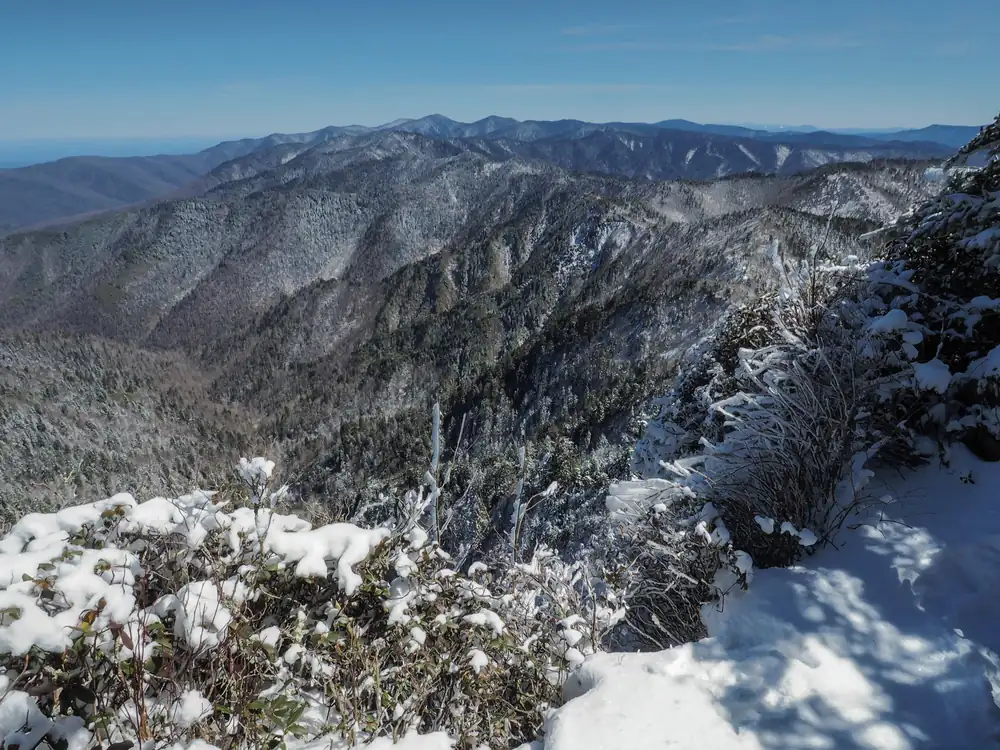 North Carolina and TennesseeGreat Smoky Mountains National Park
North Carolina and Tennessee. 11,527,939 visits in 2025. No entrance fee.
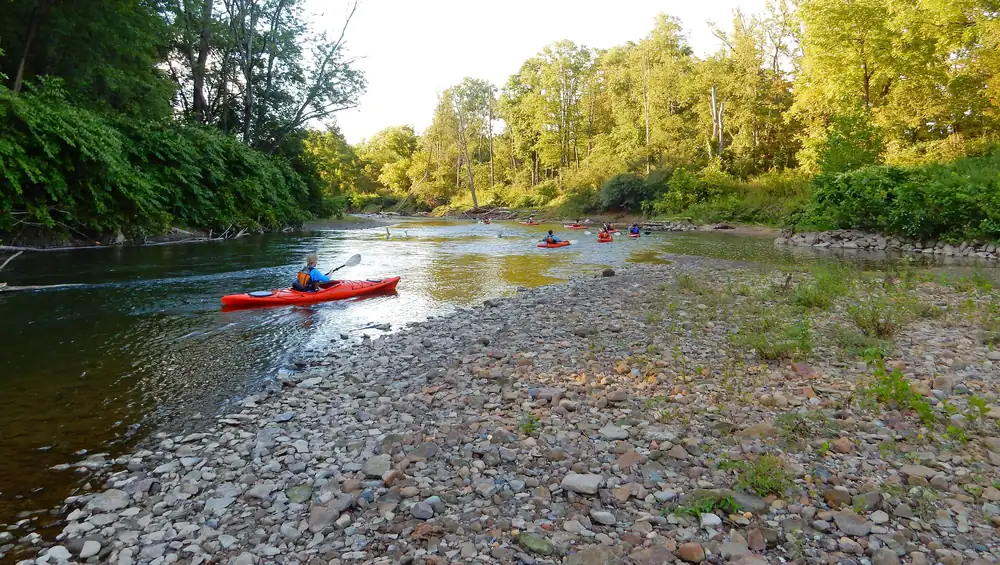 OhioCuyahoga Valley National Park
Ohio. 3,025,325 visits in 2025. No entrance fee.