
Mammoth Cave National Park covers 72,473 acres in Kentucky. It became a national park on July 1, 1941, the 26th of today’s 64 parks to get that title. It recorded 660,734 recreation visits in 2025, the 34th most of the 63 parks with a 2025 count.
Today at Mammoth Cave
LiveLoading the forecast…
Checking park alerts…
Alerts: National Park Service, checked hourly. Forecast: National Weather Service, for Mammoth Cave Visitor Center. Always confirm on the official park site before you set out.

In the park service’s words
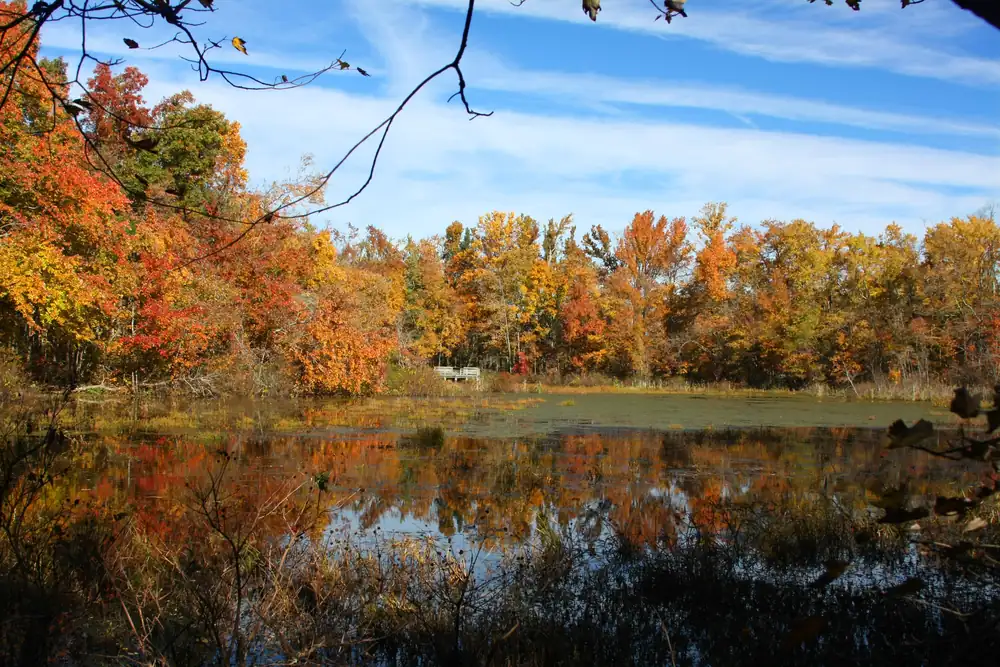
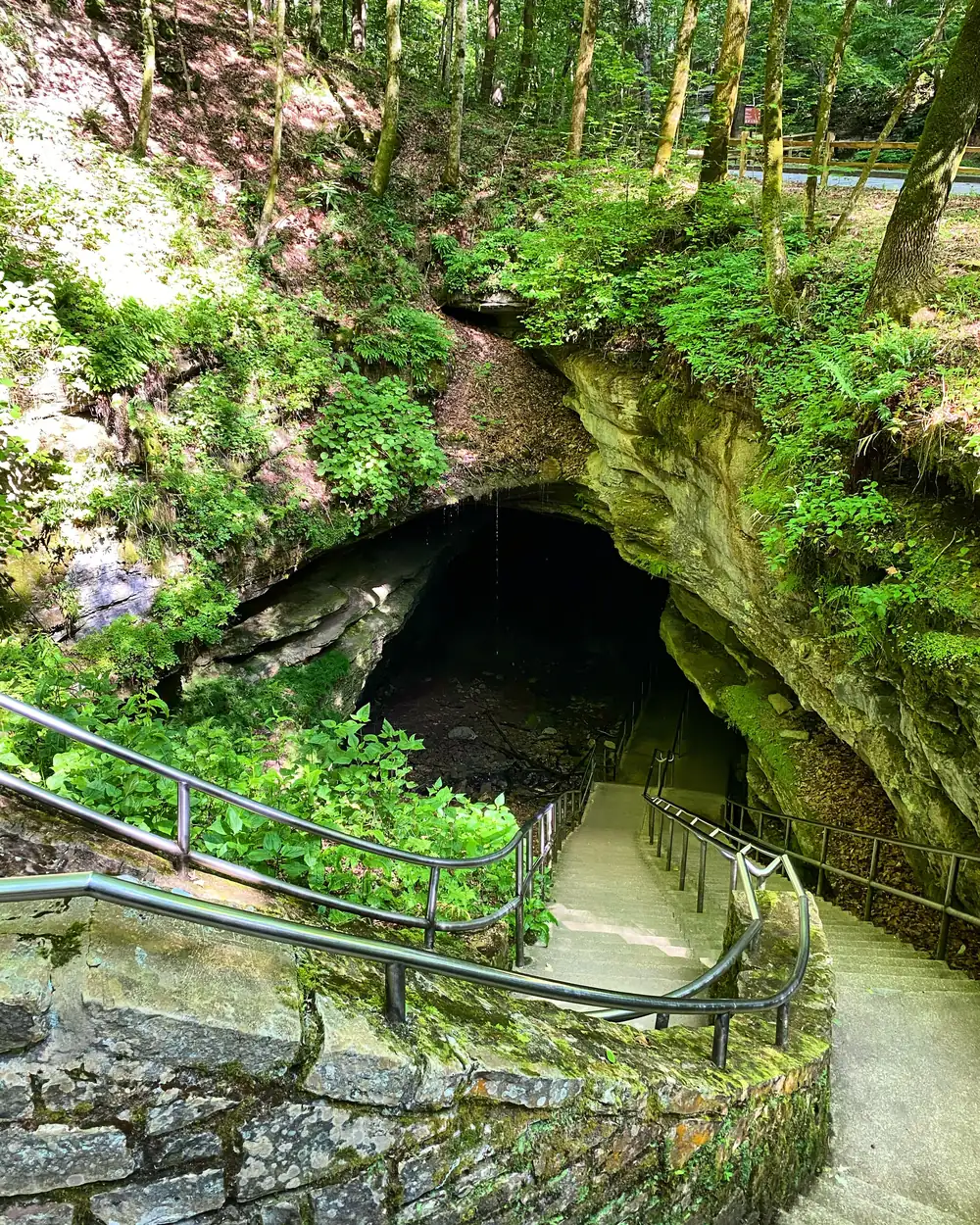
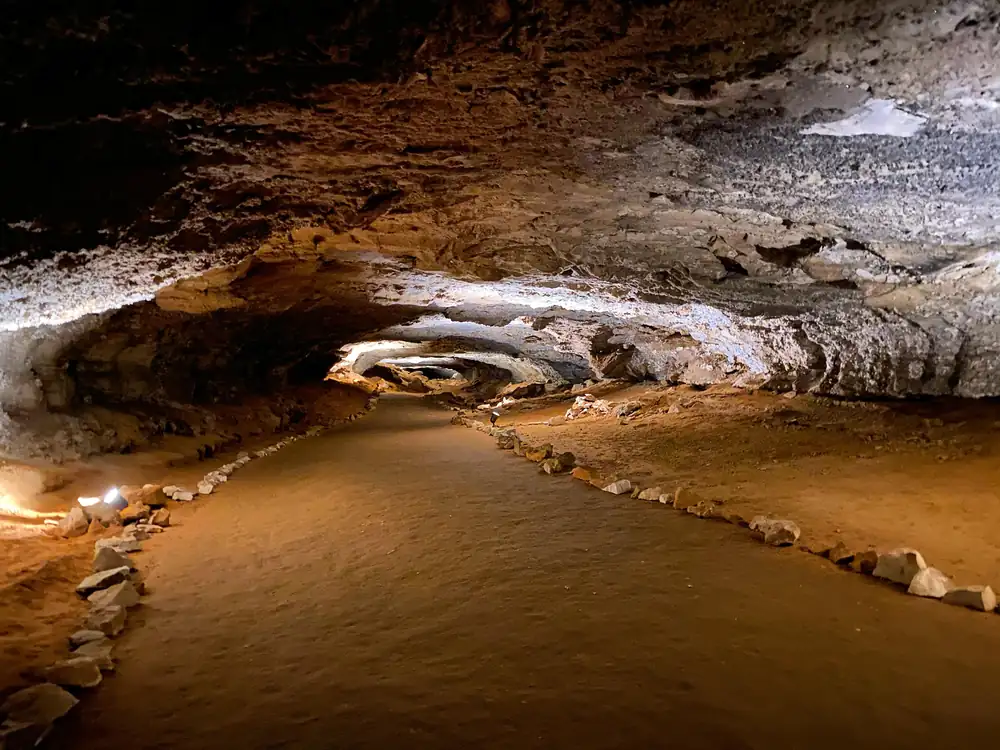
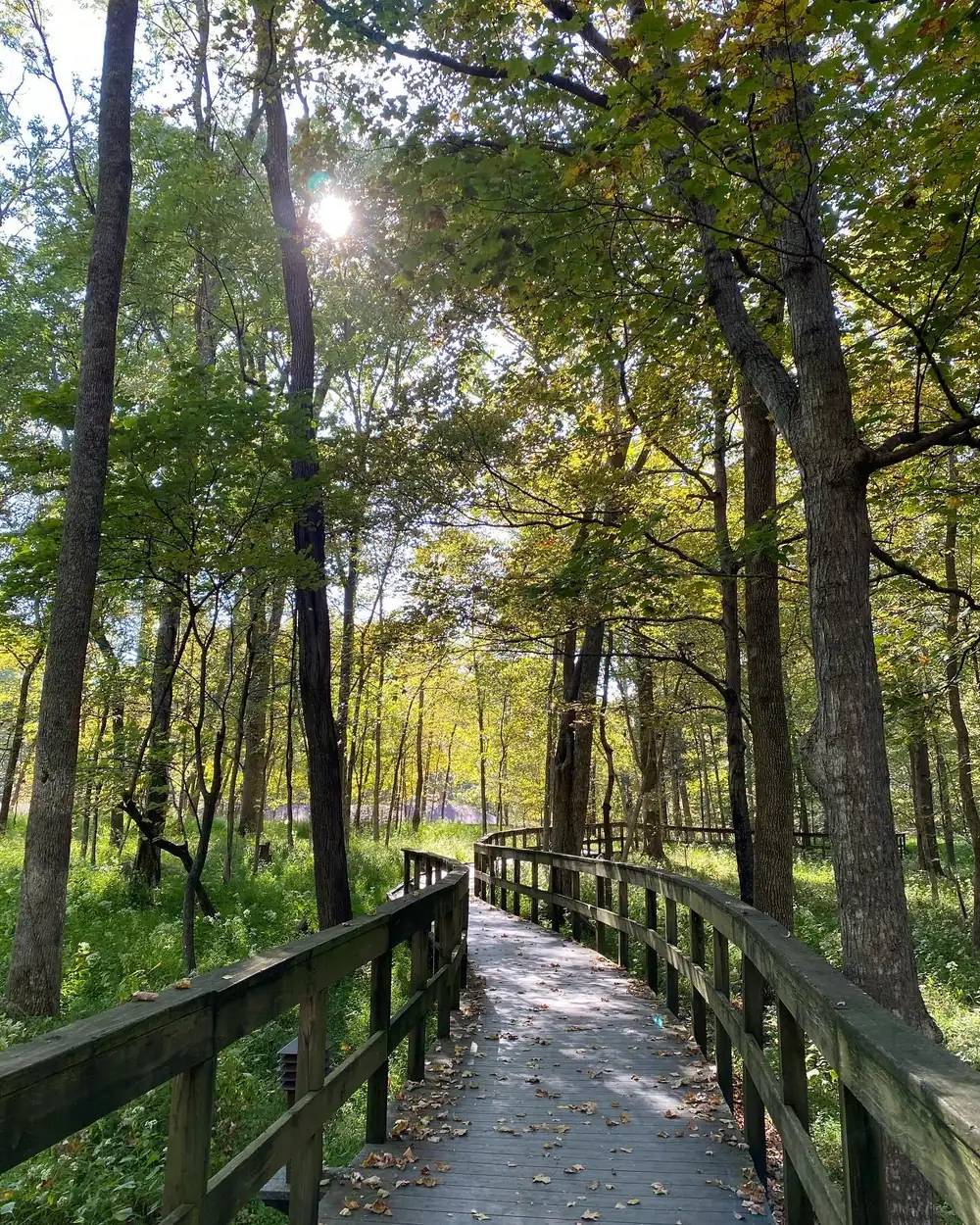
Rolling hills, deep river valleys, and the world's longest known cave system. Mammoth Cave National Park is home to thousands of years of human history and a rich diversity of plant and animal life, earning it the title of UNESCO World Heritage Site and International Biosphere Region.
From the National Park Service (public domain).
Entrance fee and passes
No entrance fee is listed for this park in National Park Service data. You do not need a pass to enter. Parking, ferry, boat or other transport fees can still apply.
Best time to visit
- Best time to visit Mammoth Cave: April, October and November. The weather is at its most comfortable then, and crowds are lighter than at the peak.
- Busiest month: July, with about 100,837 visits in a typical recent year. That is 4.7 times as many as February.
- Quietest month: January (16,524 visits), when weather or closures keep most people away.
Bar height: visitors that month, compared with the busiest month. Temperatures: average daily high and low (°F); rain and snow: monthly averages. Best marks the months we suggest.
More detail: the best time to visit Mammoth Cave, month by month.
Plan your visit
- Best time to visit: crowds and weather month by month
- Itinerary: ready-made plans for 1 to 3 days
- Things to do: 2 hikes and 15 other activities
- Camping, RVs and lodging: 3 campgrounds, 3 lodges
- Getting there: Nearest gas to Mammoth Cave Visitor Center: Park City Shell, 6.9 miles away. Closest airport Owensboro Daviess County Airport (68 mi)
- Know before you go: safety, what to pack and what to leave at home
Popular hikes
- Explore Wildflowers at Cedar Sink (45 to 60 Minutes): Stunning rock faces, cave springs, and geological panoramas, you will experience a wide array of seasonal wildflowers and biodiversity.
- Take a Ridge-top Walk to Sunset Point (30 to 60 Minutes): Visitors to Mammoth Cave National Park Marvel over the Green River Valley while visiting the popular overlook, Sunset Point.
Webcams
Weather, in the park service’s words
The park service says:
Kentucky has a moderate climate with warm, yet moist conditions. Summers average in the high 80s; winters average in the low 40s. Southern Kentucky, where Mammoth Cave is located, receives the highest average precipitation for the state, about 50 inches per year, mostly in spring. Winter can bring mild to moderate snow and ice. Storms happen year-round, and can include tornadoes and flooding in low-lying areas, but severe weather is infrequent. The temperature deep in the cave is a constant 54°F (12°C).
From the National Park Service (public domain).
Nearby national parks by road
- Great Smoky Mountains (North Carolina and Tennessee): about 5 h by car (243 miles)
- Gateway Arch (Missouri): about 5 h 55 min by car (289 miles)
- Indiana Dunes (Indiana): about 6 h 50 min by car (359 miles)
- New River Gorge (West Virginia): about 7 h 5 min by car (360 miles)
Drive times run between the closest visitor centers of each pair, estimated with OSRM routing on OpenStreetMap roads. Link several parks with the road trip planner.
Sources
Last checked 1 November 2026.
Frequently asked questions
How much does it cost to enter Mammoth Cave National Park?
No entrance fee is listed for this park in National Park Service data.
What state is Mammoth Cave National Park in?
Kentucky.
When did Mammoth Cave become a national park?
July 1, 1941.
How many people visit Mammoth Cave?
660,734 recreation visits were counted in 2025.
When is the best time to visit Mammoth Cave?
April, October and November. July is the busiest month and February the quietest while the park is fully open.
Nearby parks
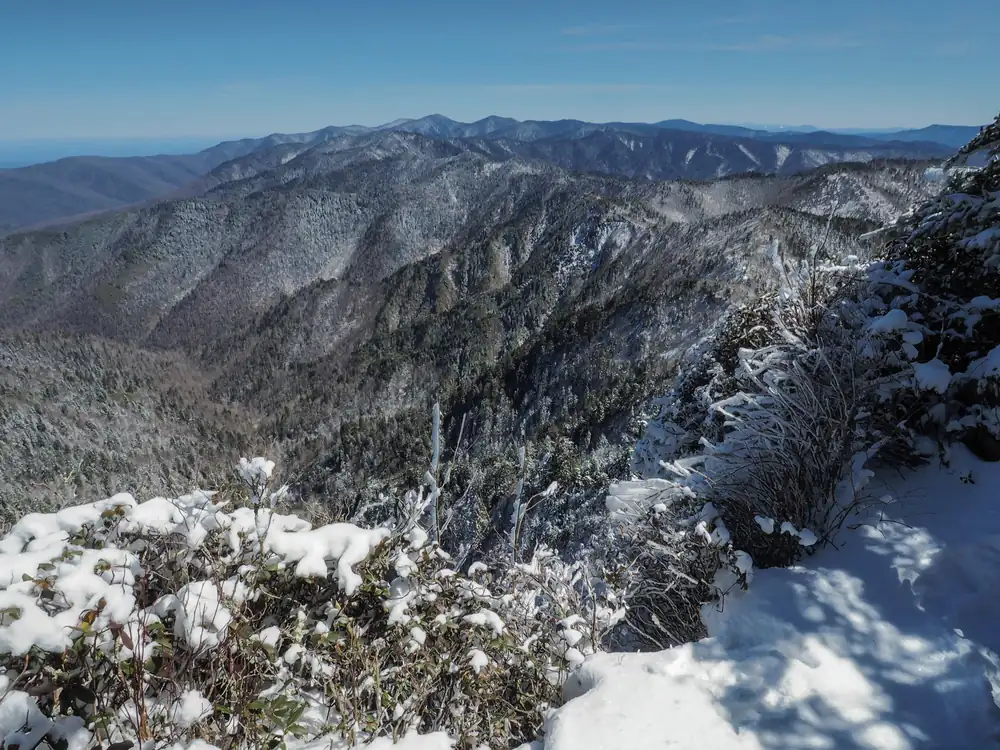 North Carolina and TennesseeGreat Smoky Mountains National Park
North Carolina and Tennessee. 11,527,939 visits in 2025. No entrance fee.
 MissouriGateway Arch National Park
Missouri. 2,209,028 visits in 2025. $3 per person.
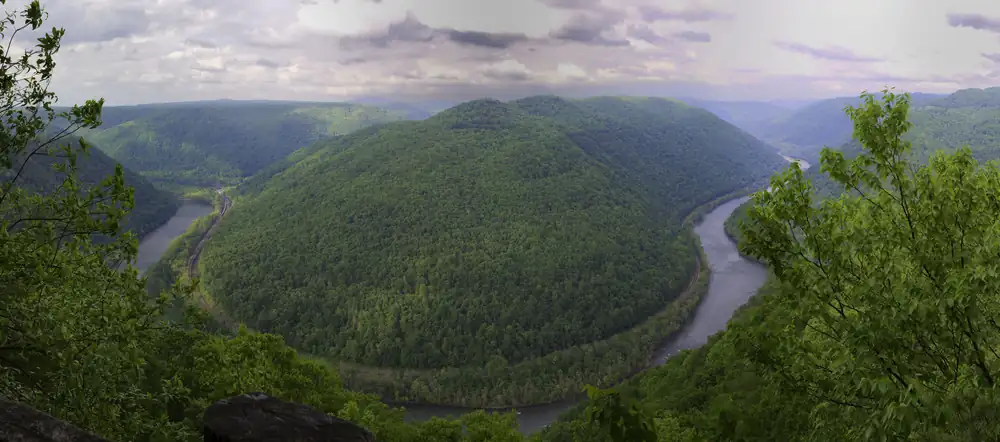 West VirginiaNew River Gorge National Park & Preserve
West Virginia. 1,958,440 visits in 2025. No entrance fee.