Hawaiʻi Volcanoes National Park covers 344,812 acres in Hawaii. It became a national park on August 1, 1916, the 10th of today’s 64 parks to get that title. It recorded 1,877,854 recreation visits in 2025, the 18th most of the 63 parks with a 2025 count.
Today at Hawaiʻi Volcanoes
LiveLoading the forecast…
Checking park alerts…
Alerts: National Park Service, checked hourly. Forecast: National Weather Service, for Welcome Center. Always confirm on the official park site before you set out.
In the park service’s words
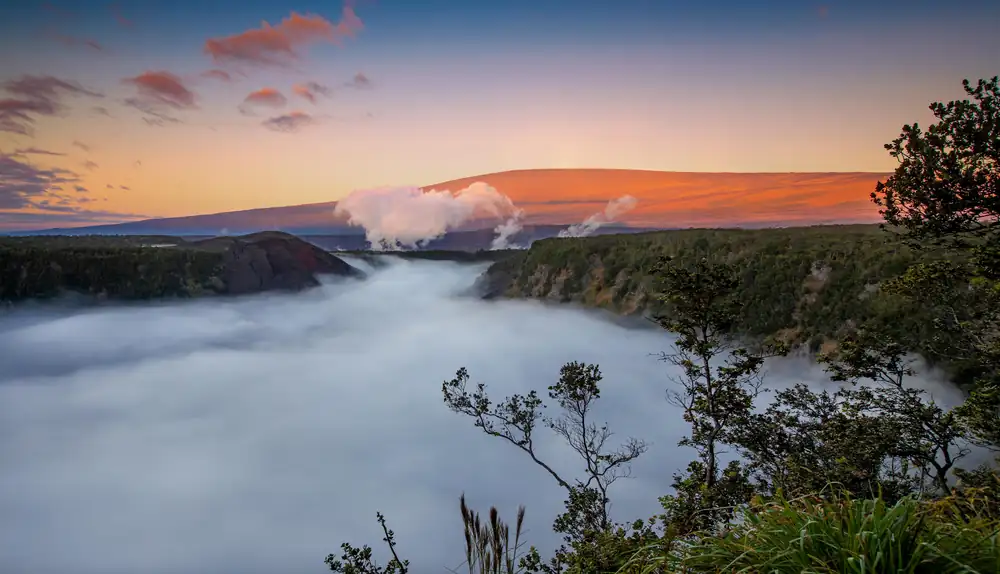
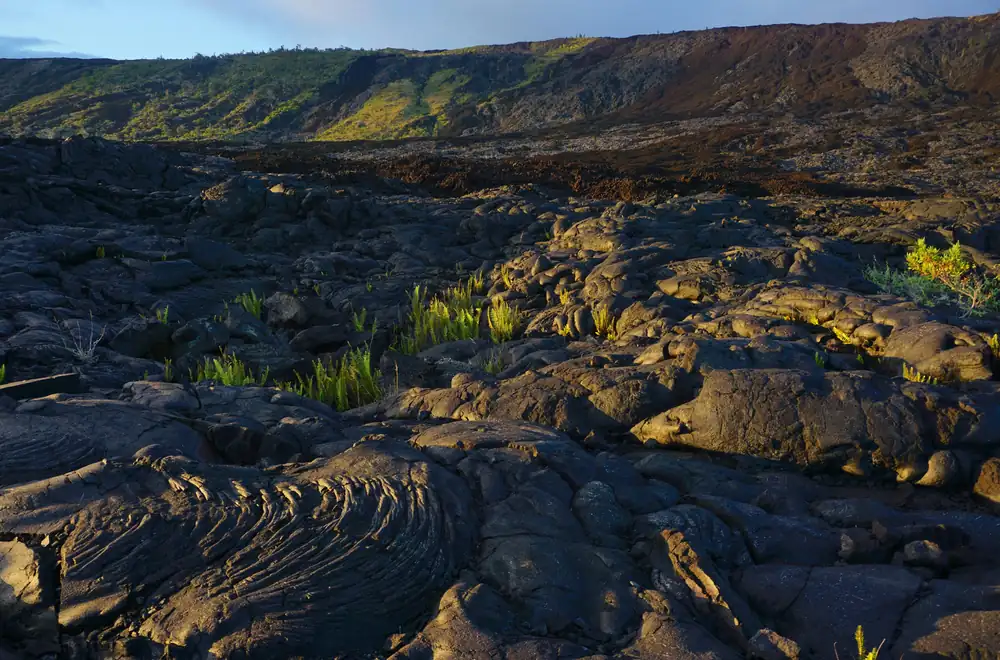
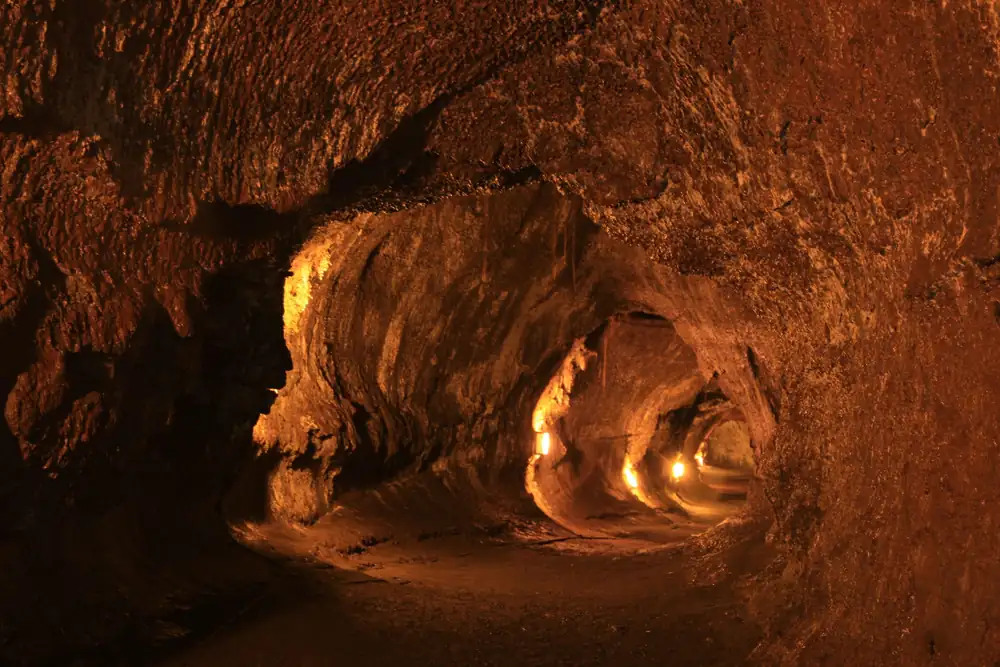
Hawai‘i Volcanoes National Park protects some of the most unique geological, biological, and cherished cultural landscapes in the world. Extending from sea level to 13,680 feet, the park encompasses the summits of two of the world's most active volcanoes - Kīlauea and Mauna Loa - and is a designated International Biosphere Reserve and UNESCO World Heritage Site.
From the National Park Service (public domain).
Entrance fee and passes
The standard entrance pass is $30 per vehicle. Private Vehicle Pass - The private vehicle pass admits the passholder and up to 14 passengers of a single, private (non-commercial) vehicle.
The $80 America the Beautiful pass for U.S. residents covers this fee and everyone in your car. It pays for itself after 3 visits at this price, and it is accepted at every national park.
Entrance is free for U.S. residents on the 2026 fee-free days.
Best time to visit
- Best time to visit Hawaiʻi Volcanoes: May, June, August and September. The weather is at its most comfortable then, and crowds are lighter than at the peak.
- Busiest month: January, with about 158,868 visits in a typical recent year.
- Quietest month: April (112,226 visits).
Bar height: visitors that month, compared with the busiest month. Temperatures: average daily high and low (°F); rain and snow: monthly averages. Best marks the months we suggest.
More detail: the best time to visit Hawaiʻi Volcanoes, month by month.
Plan your visit
- Best time to visit: crowds and weather month by month
- Itinerary: ready-made plans for 1 to 3 days
- Things to do: 19 hikes and 5 other activities
- Camping, RVs and lodging: 2 campgrounds
- Getting there: Nearest gas to Welcome Center: Kilauea Military Camp Gas Station, 0.1 miles away. Closest airport Hilo International Airport (38 mi)
- Know before you go: safety, what to pack and what to leave at home
Popular hikes
- Hōlei Sea Arch (20 to 30 Minutes): Walk a short distance to a view of dramatic sea cliffs and a 90-foot high arch sculpted by the sea.
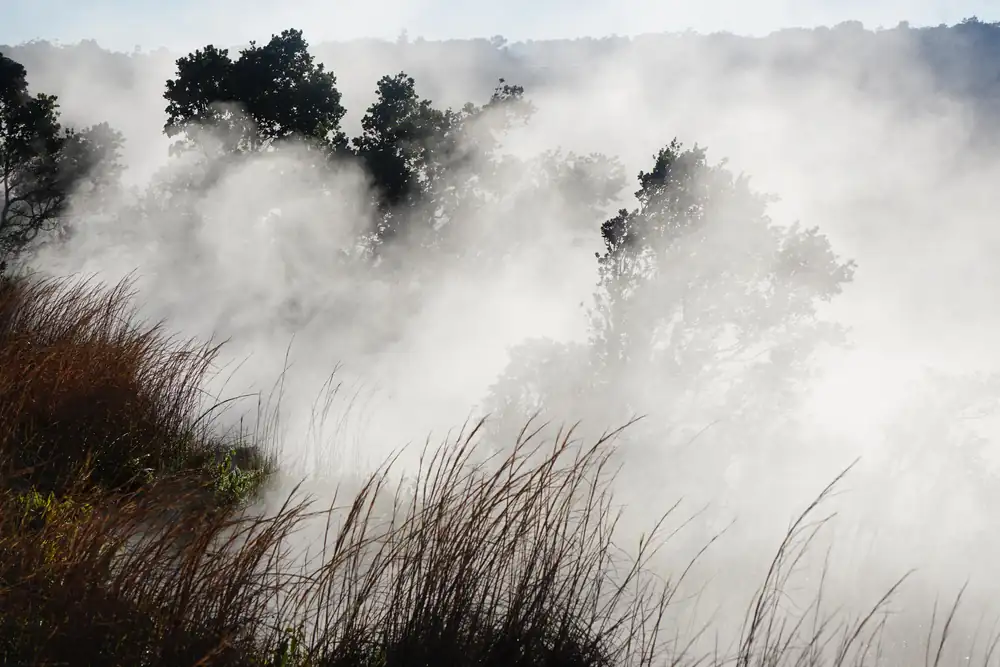
- Haʻakulamanu via Sulphur Banks Trail (30 to 45 Minutes): See where volcanic gases have deposited colorful crystals.
- Kūpinaʻi Pali (Waldron Ledge) (45 to 60 Minutes): Walk along an old road damaged by an earthquake in 1983 and get panoramic views of Kaluapele
- Devastation Trail (30 to 60 Minutes): Stroll on a paved path through a recovering landscape that was buried by falling cinder from the 1959 Kīlauea Iki eruption.
- Keanakākoʻi (1 to 2 Hours): Walk along an old portion of Crater Rim Drive to Keanakāko'i Crater and views toward the massive Halemaʻumaʻu.
Webcams
- Puʻuʻōʻō Southeast Coast
- Current Conditions of Kīlauea Summit Eruption
- Live view of the upper Southwest Rift Zone of Kīlauea
- Live Image of Kaluapele (Kīlauea caldera) from Uēkahuna bluff
- View of Halemaʻumaʻu crater at the summit of Kīlauea, view is to the west
- Kīlauea Summit from Mauna Loa Strip Road- [KPcam]
- Mauna Loa's Summit and Northeast Rift Zone from Mauna Kea [MKcam]
- Maunaulu Cam [MUcam]
Weather, in the park service’s words
The park service says:
The weather the summit of Kīlauea (~4000' elevation) varies daily and may be rainy and chilly any time of the year. Temperature varies by elevation. At the summit of the volcano, temperatures may be 12 to 15 degrees cooler than at sea level. The coastal plain at the end of Chain of Craters Road is often hot, dry, and windy with the possibility of passing showers.
From the National Park Service (public domain).
Nearby national parks
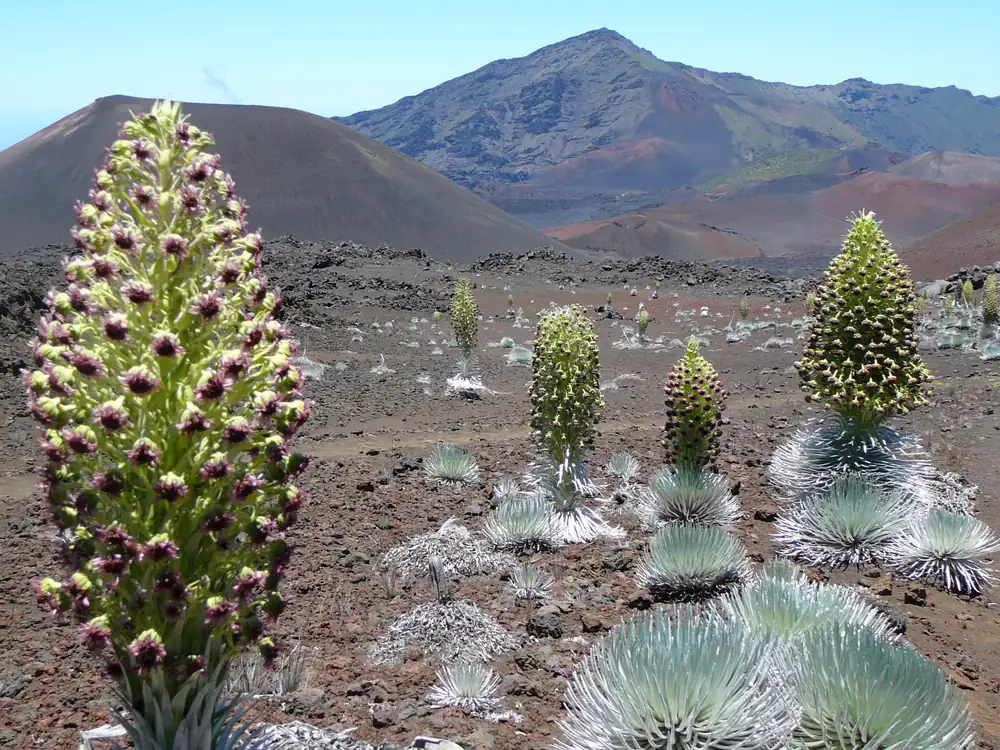
- Haleakalā (Hawaii): about 112 miles in a straight line
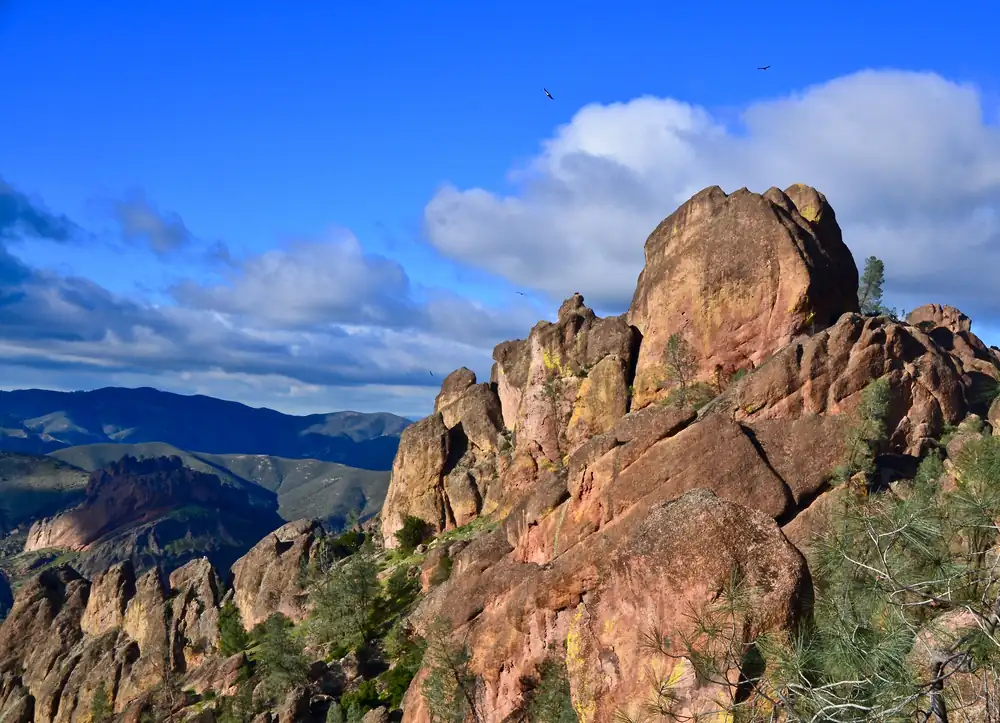
- Pinnacles (California): about 2,372 miles in a straight line
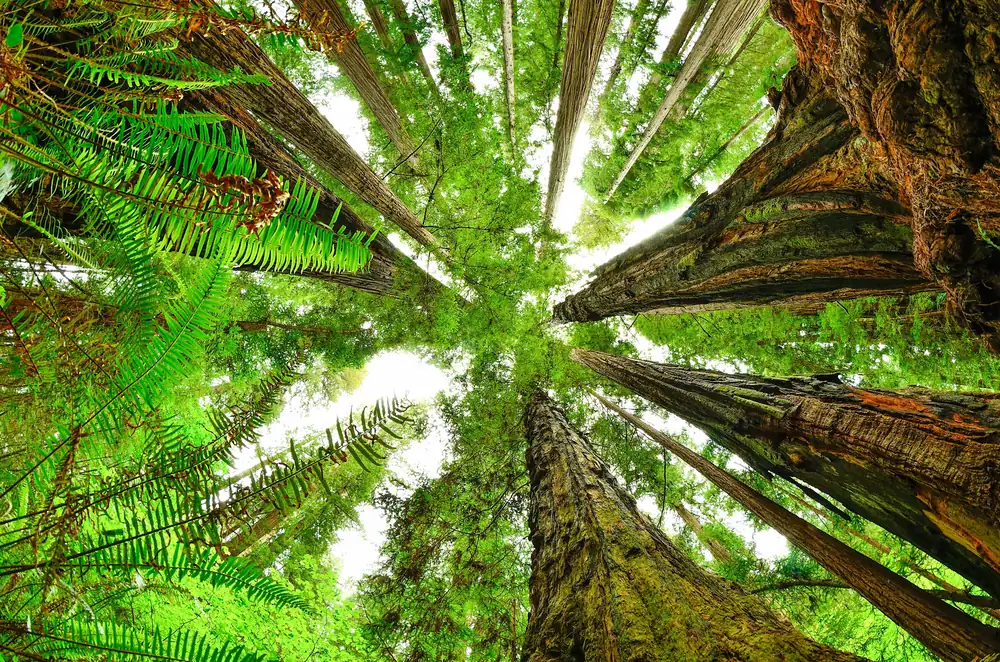
- Redwood (California): about 2,376 miles in a straight line
- Channel Islands (California): about 2,412 miles in a straight line
There is no road from Hawaiʻi Volcanoes to another national park; you fly or take a boat between them.
Sources
Last checked 1 November 2026.
Frequently asked questions
How much does it cost to enter Hawaiʻi Volcanoes National Park?
The standard entrance pass is $30 per vehicle. Private Vehicle Pass - The private vehicle pass admits the passholder and up to 14 passengers of a single, private (non-commercial) vehicle.
What state is Hawaiʻi Volcanoes National Park in?
Hawaii.
When did Hawaiʻi Volcanoes become a national park?
August 1, 1916.
How many people visit Hawaiʻi Volcanoes?
1,877,854 recreation visits were counted in 2025.
When is the best time to visit Hawaiʻi Volcanoes?
May, June, August and September. January is the busiest month and April the quietest while the park is fully open.