Haleakalā National Park covers 33,489 acres in Hawaii. It became a national park on July 1, 1961, the 29th of today’s 64 parks to get that title. It recorded 853,711 recreation visits in 2025, the 27th most of the 63 parks with a 2025 count.
Today at Haleakalā
LiveLoading the forecast…
Checking park alerts…
Alerts: National Park Service, checked hourly. Forecast: National Weather Service, for Headquarters Visitor Center. Always confirm on the official park site before you set out.
In the park service’s words
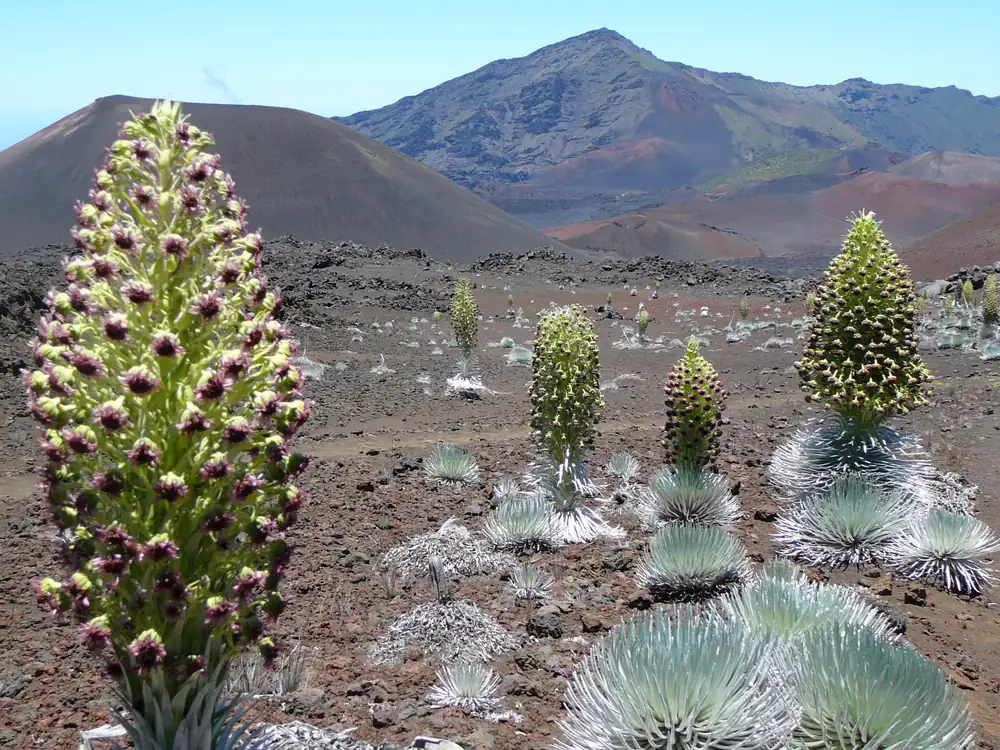
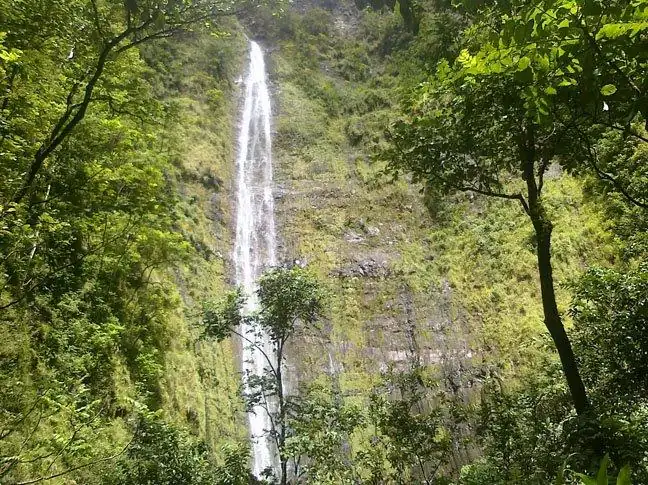
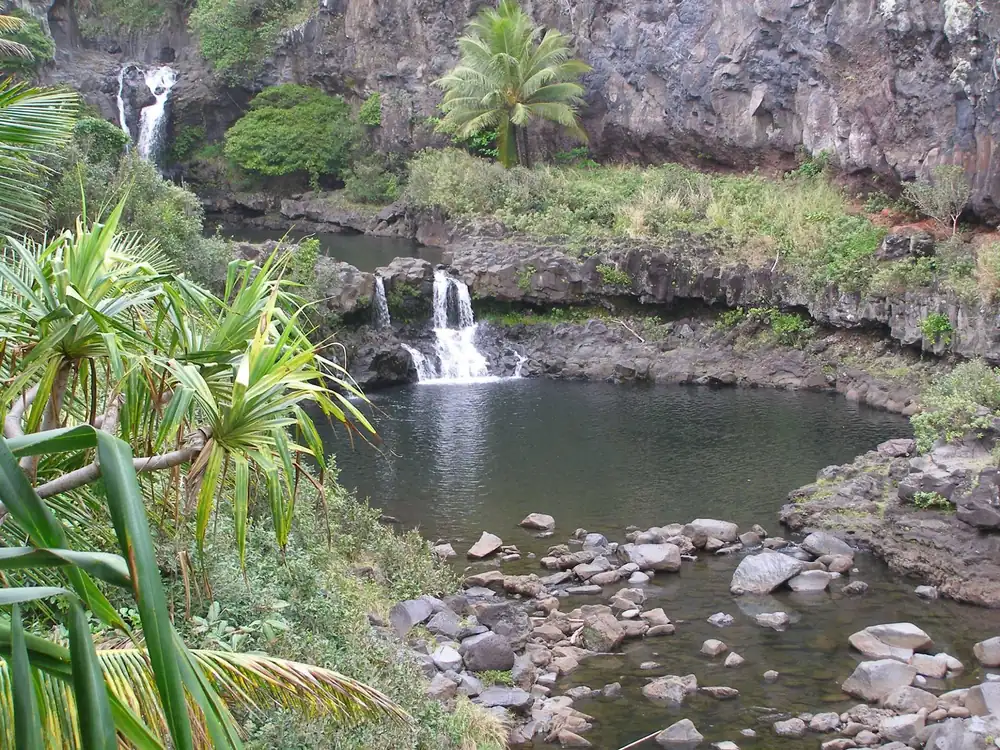
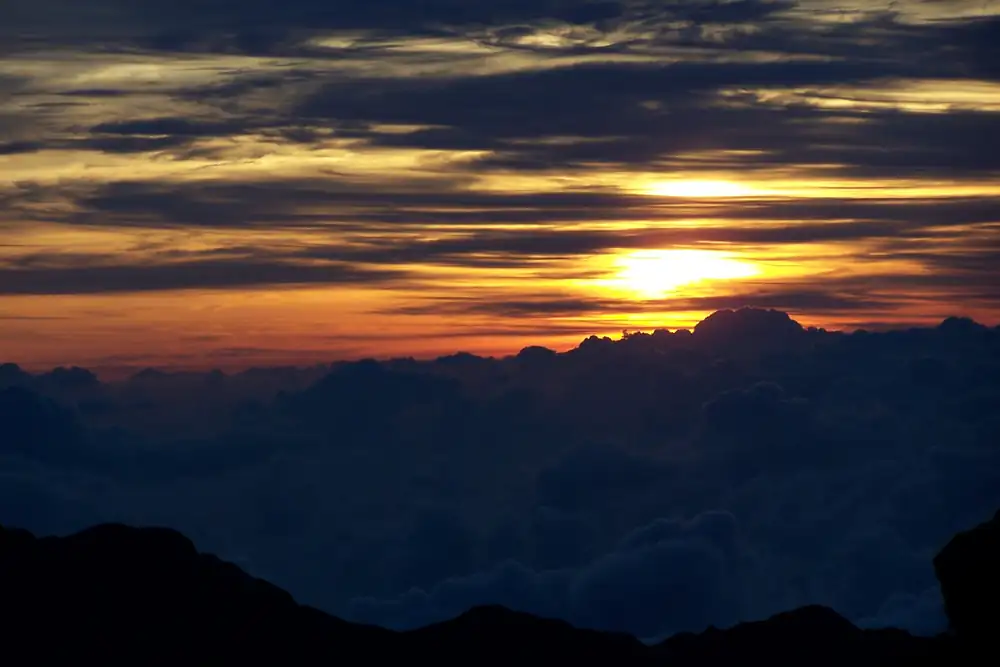
This special place vibrates with stories of ancient and modern Hawaiian culture and protects the bond between the land and its people. The park also cares for endangered species, some of which exist nowhere else. Come visit this special place - renew your spirit amid stark volcanic landscapes and sub-tropical rain forest with an unforgettable hike through the backcountry.
From the National Park Service (public domain).
Entrance fee and passes
The standard entrance pass is $30 per vehicle. Valid 3 days, covering the Summit and Kipahulu districts.
The $80 America the Beautiful pass for U.S. residents covers this fee and everyone in your car. It pays for itself after 3 visits at this price, and it is accepted at every national park.
Entrance is free for U.S. residents on the 2026 fee-free days.
Reservations and permits in 2026
Driving to the summit for sunrise (3 AM to 7 AM) needs a $1 vehicle reservation on Recreation.gov, released 60 days and 2 days ahead.
Check the park’s own site before you go, because these systems change from year to year.
Best time to visit
- Best time to visit Haleakalā: August to November. The weather is at its most comfortable then, and crowds are lighter than at the peak.
- Busiest month: July, with about 88,939 visits in a typical recent year.
- Quietest month: October (62,439 visits).
Bar height: visitors that month, compared with the busiest month. Temperatures: average daily high and low (°F); rain and snow: monthly averages. Best marks the months we suggest.
More detail: the best time to visit Haleakalā, month by month.
Plan your visit
- Best time to visit: crowds and weather month by month
- Itinerary: ready-made plans for 1 to 2 days
- Things to do: 6 hikes and 3 other activities
- Camping, RVs and lodging: 4 campgrounds
- Getting there: Nearest gas to Haleakalā Visitor Center: Gas station (unnamed), 6.9 miles away. Closest airport Hana Airport (11 mi)
- Know before you go: safety, what to pack and what to leave at home
Popular hikes
- Moderate Hike into Haleakalā's Crater (1 to 2 Hours): Enter the park's Wilderness on the Keoneheʻeheʻe (Sliding Sands) Trail and take a moderate out-and-back hike partway down the windswept cinder slope. This is among the most popular hikes in the park thanks to its unbeatable crater views.
- Strenuous Hike Across the Crater Floor (7 to 9 Hours): Experienced hikers can "thru" hike the crater from Keoneheʻeheʻe (Sliding Sands) Trailhead, across the crater floor, and out to Halemauʻu Trailhead. This hike is extremely strenuous and should only be undertaken by individuals who are equipped for a wilderness environment.
- Short Hike to Leleiwi Overlook (30 to 60 Minutes): Take a short .3 mile (.5 km) roundtrip walk out to Leleiwi Overlook. Pass native plants on your way to a spectacular view of the crater and the Koʻolau Gap.
- Moderate Hike to the Crater Edge (1 to 2 Hours): Meander through native shrubland to glimpse rare forest birds and a variety of plants found only in Hawaiʻi.
- Moderate Hike up to the Bamboo Forest (1 Hour): Listen to the sounds of the bamboo forest as the towering stalks creak, clack, and clang along the Pīpīwai Trail! Pick up the trail to the left of the Kīpahulu Visitor Center. The hike is 1 mile (1.6 km) round trip with an average hiking time of 1 hour. Be prepared for a hot hike and carry water, a snack, and sun prote
Webcams
Weather, in the park service’s words
The park service says:
On any given day, the temperatures in the park can range from a high of 80°F (27°C) in Kīpahulu to a low of 30°F (-1°C) at the summit. In either area clouds and rain can quickly replace warm sunshine. Weather in the high-elevation summit and wilderness areas of the park is highly unpredictable and changes often. Cool temperatures, intense solar radiation, and rapidly moving clouds are characteristic. On average, the temperature drops about 3°F for every 1,000 foot rise in elevation.
From the National Park Service (public domain).
Nearby national parks
- Hawaiʻi Volcanoes (Hawaii): about 112 miles in a straight line
- Redwood (California): about 2,354 miles in a straight line
- Pinnacles (California): about 2,368 miles in a straight line
- Channel Islands (California): about 2,418 miles in a straight line
There is no road from Haleakalā to another national park; you fly or take a boat between them.
Sources
Last checked 1 November 2026.
Frequently asked questions
How much does it cost to enter Haleakalā National Park?
The standard entrance pass is $30 per vehicle. Valid 3 days, covering the Summit and Kipahulu districts.
What state is Haleakalā National Park in?
Hawaii.
When did Haleakalā become a national park?
July 1, 1961.
How many people visit Haleakalā?
853,711 recreation visits were counted in 2025.
Do you need a reservation for Haleakalā in 2026?
Driving to the summit for sunrise (3 AM to 7 AM) needs a $1 vehicle reservation on Recreation.gov, released 60 days and 2 days ahead.
When is the best time to visit Haleakalā?
August to November. July is the busiest month and October the quietest while the park is fully open.