National Park of American Samoa covers 8,257 acres in American Samoa. It became a national park on October 31, 1988, the 50th of today’s 64 parks to get that title. It recorded 43,258 recreation visits in 2025, the 58th most of the 63 parks with a 2025 count.
Today at American Samoa
LiveLoading the forecast…
Checking park alerts…
Alerts: National Park Service, checked hourly. Forecast: National Weather Service, for Visitor Center and Park Store. Always confirm on the official park site before you set out.
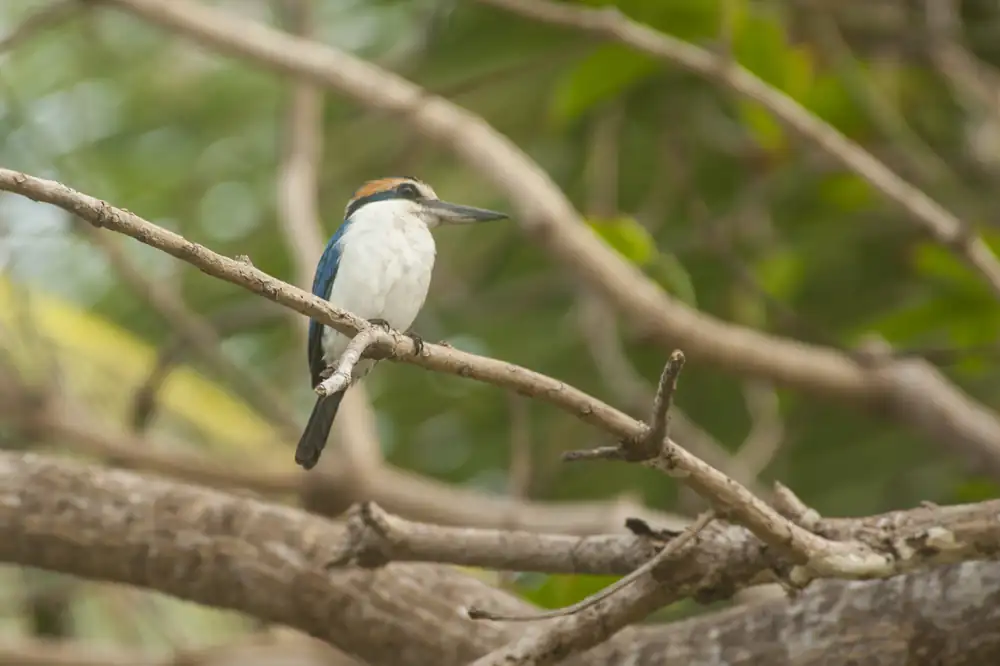
In the park service’s words
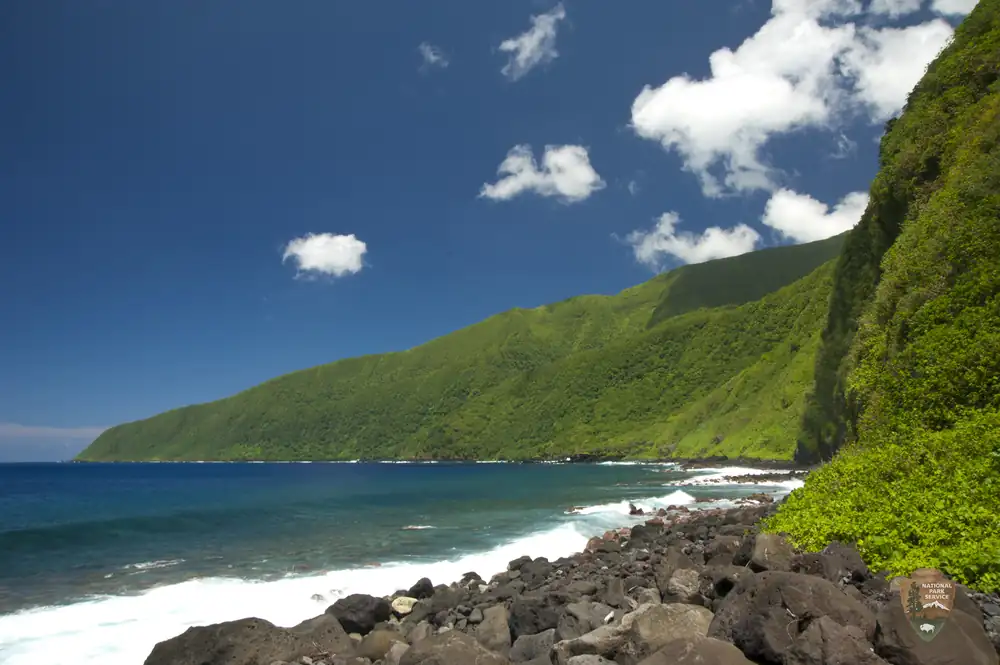
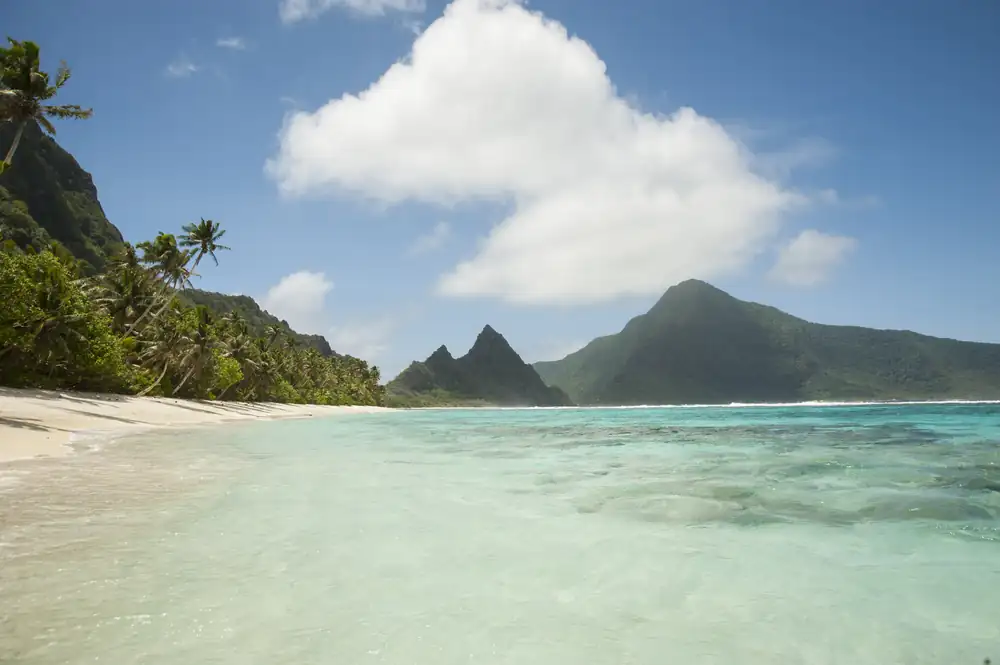
The National Park of American Samoa invites you to discover the vibrant culture and stunning landscapes of the South Pacific. Experience a world unlike any other, where natural beauty and cultural heritage are protected for future generations. Join us in exploring these islands of sacred earth!
From the National Park Service (public domain).
Entrance fee and passes
No entrance fee is listed for this park in National Park Service data. You do not need a pass to enter. Parking, ferry, boat or other transport fees can still apply.
Best time to visit
- Best time to visit American Samoa: July. The weather is at its most comfortable then, and crowds are lighter than at the peak.
- Busiest month: April, with about 3,591 visits in a typical recent year. That is 4.0 times as many as March.
- Quietest month: December (409 visits), when weather or closures keep most people away.
Bar height: visitors that month, compared with the busiest month. Temperatures: average daily high and low (°F); rain and snow: monthly averages. Best marks the months we suggest.
More detail: the best time to visit American Samoa, month by month.
Plan your visit
- Best time to visit: crowds and weather month by month
- Itinerary: ready-made plans for 1 to 2 days
- Things to do: 5 hikes and 4 other activities
- Getting there: Nearest gas to Visitor Center and Park Store: Gas station (unnamed), 0.0 miles away. Closest airport Pago Pago International Airport (58 mi)
- Know before you go: safety, what to pack and what to leave at home
Popular hikes
- Tuafanua Trail: Moderate = 2.2mi/3.54km total; 219ft/67m elevation gain; 2-3 hours. The trail leads you via ladders, steps, and ropes to a rocky beach, where you can enjoy the sound of the waves and take in the Western view of Pola Island.
- Mount Alava Trail: Difficult = 7mi/11.27km total; 1,607ft/490m elevation gain; 4-5 hours. Trail can be steep, slippery, and rocky in places. Stunning panoramic views from the summit. Lush rainforest environment, great for bird and fruit bat watching.
- Lower Sauma Ridge Trail: Easy = 0.4mi/0.64km total; 232ft/7m elevation gain; 30-45 minutes. A gentle climb to an archaeological site featuring ancient grinding stones, this trail combines history with incredible views of the northeast coastline and the Vai’ava Strait.
- Pola Island Trail: Easy = 0.1mi/0.16km total; 30ft/9m elevation gain; 15-30 minutes. This short, easy trail leads you to the untouched shores of the South Pacific; delivering big rewards with views of the rugged coastline and Pola Island, a sanctuary for nesting seabirds.
- Upper Sauma Ridge Trail: Strenuous = 3.2mi/5.15km total; 1,489ft/454m elevation gain; 3-4 hours. Hike a challenging trail through a dense rainforest, surrounded by native trees and birds. Enjoy one of the island’s most beautiful views of Vatia village and Pola Island at the summit.
Weather, in the park service’s words
The park service says:
American Samoa is in the South Pacific Ocean, between the Equator and the Tropic of Capricorn. A tropical climate prevails with warm or hot temperatures year-round and high humidity. Rain showers are frequent and can last only for a few minutes or all-day. The average annual rainfall is 125-inches in the dryer areas to as much as 300-inches in the highest mountains. Tropical storms are more prevalent during the long, wet summer season (October -May) and a slightly cooler and drier season (June-September)
From the National Park Service (public domain).
Nearby national parks
- Hawaiʻi Volcanoes (Hawaii): about 2,551 miles in a straight line
- Haleakalā (Hawaii): about 2,609 miles in a straight line
- Channel Islands (California): about 4,739 miles in a straight line
- Pinnacles (California): about 4,762 miles in a straight line
There is no road from American Samoa to another national park; you fly or take a boat between them.
Sources
Last checked 1 November 2026.
Frequently asked questions
How much does it cost to enter National Park of American Samoa?
No entrance fee is listed for this park in National Park Service data.
What state is National Park of American Samoa in?
American Samoa.
When did American Samoa become a national park?
October 31, 1988.
How many people visit American Samoa?
43,258 recreation visits were counted in 2025.
When is the best time to visit American Samoa?
July. April is the busiest month and March the quietest while the park is fully open.