Lake Clark National Park & Preserve covers 2,619,816 acres in Alaska. It became a national park on December 2, 1980, the 42nd of today’s 64 parks to get that title. It recorded 19,778 recreation visits in 2025, the 61st most of the 63 parks with a 2025 count.
Today at Lake Clark
LiveLoading the forecast…
Checking park alerts…
Alerts: National Park Service, checked hourly. Forecast: National Weather Service, for the middle of the park. Always confirm on the official park site before you set out.

In the park service’s words
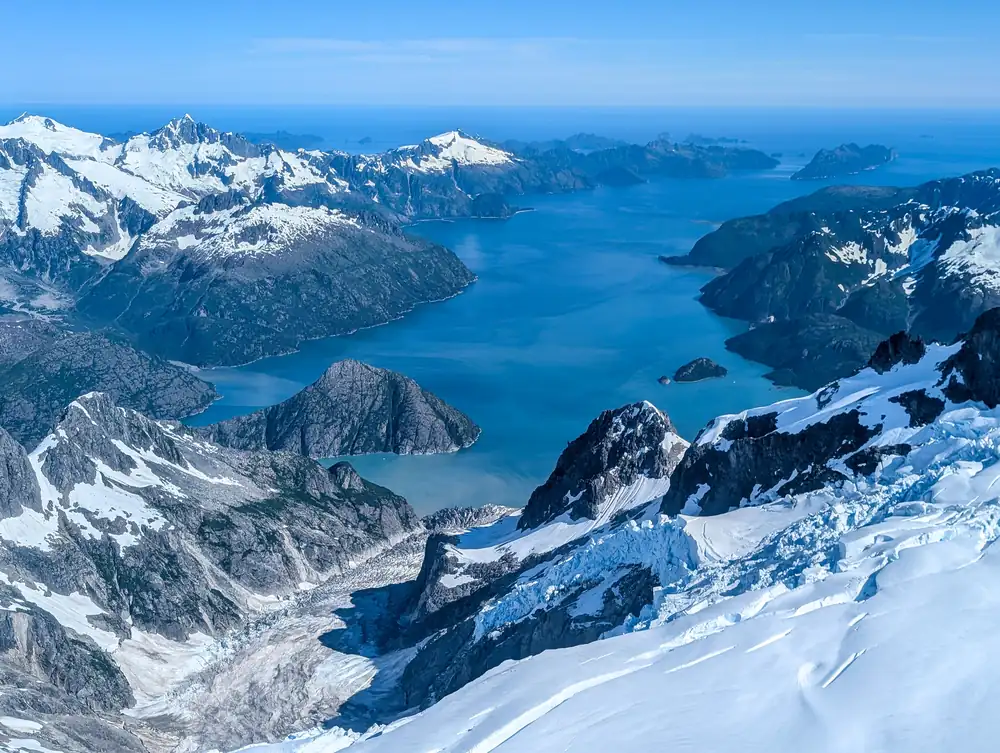
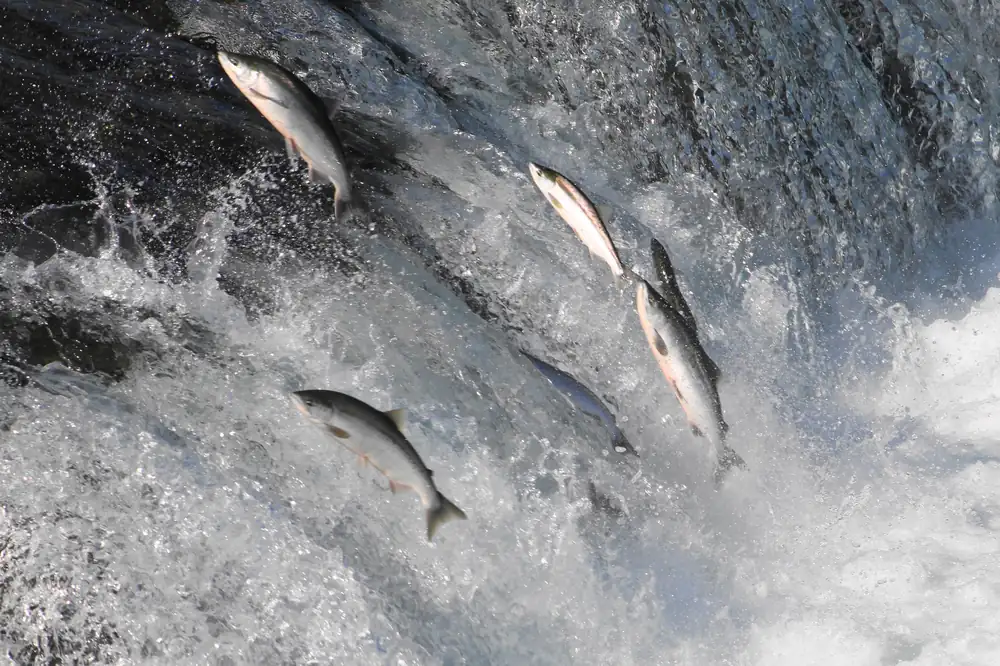
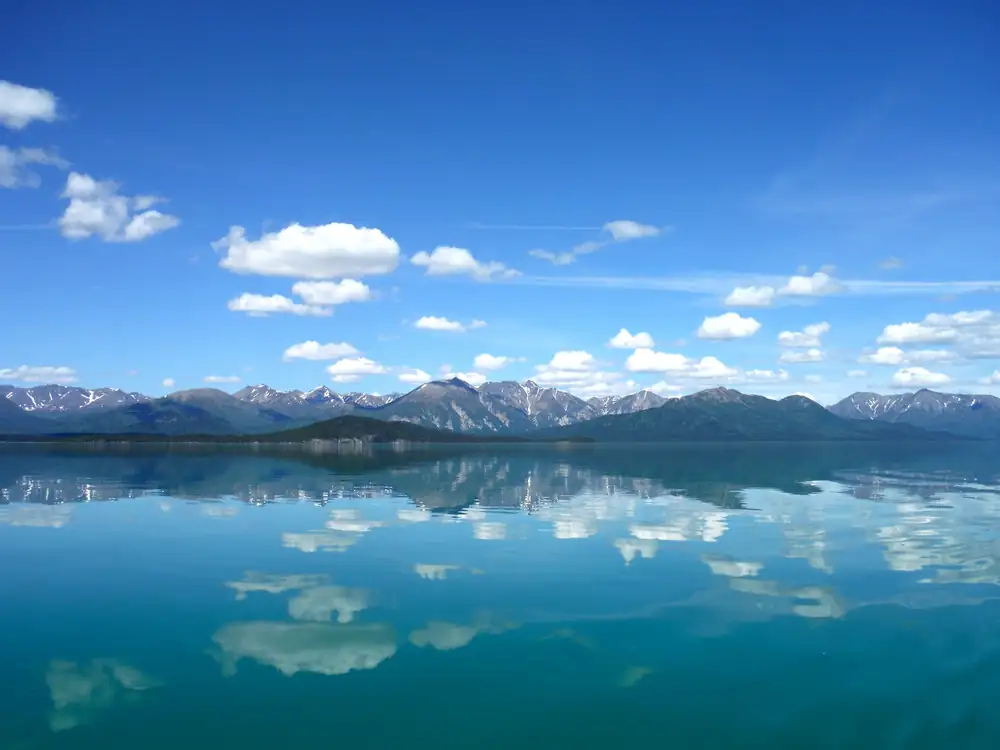
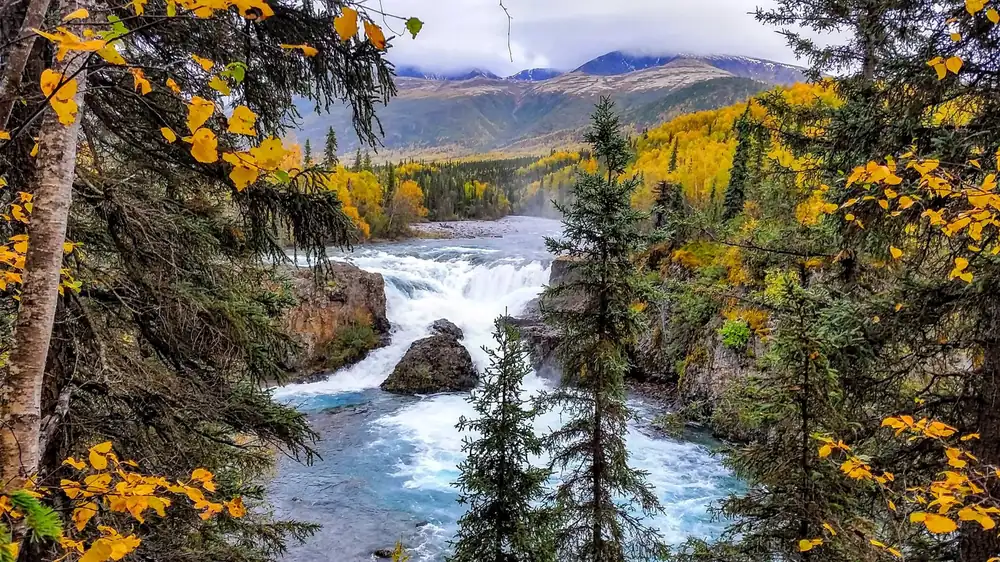
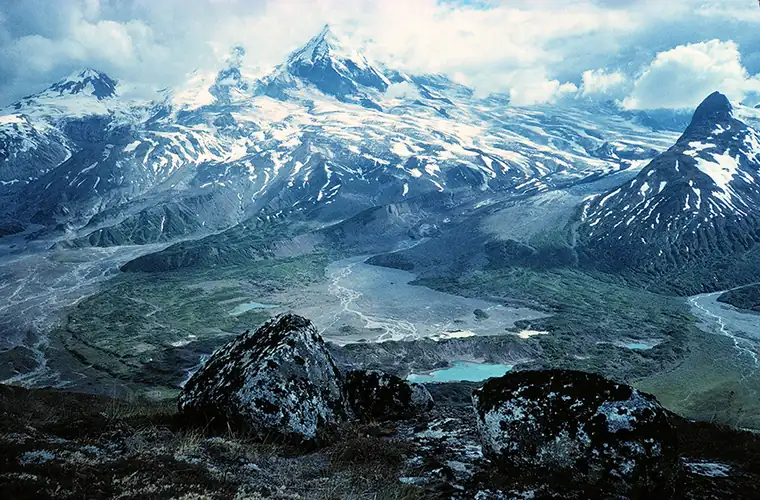
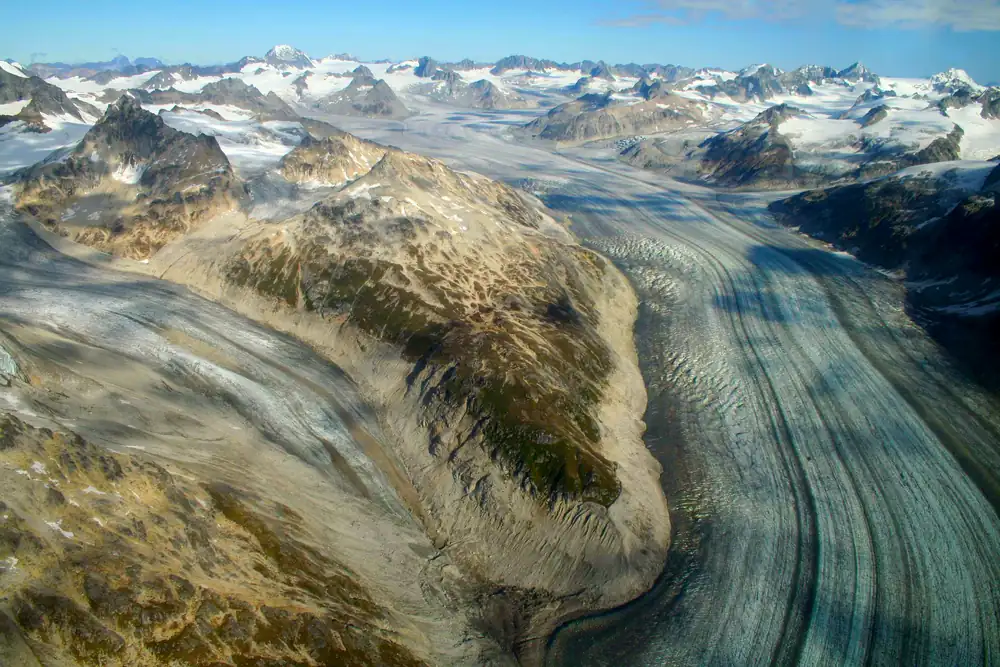
Lake Clark National Park and Preserve is a land of stunning beauty. Volcanoes steam, salmon run, bears forage, and craggy mountains reflect in shimmering turquoise lakes. Here, too, local people and culture still depend on the land and water. Venture into the park to become part of the wilderness.
From the National Park Service (public domain).
Entrance fee and passes
No entrance fee is listed for this park in National Park Service data. You do not need a pass to enter. Parking, ferry, boat or other transport fees can still apply.
Best time to visit
- Best time to visit Lake Clark: June to August. The weather is at its most comfortable then, and crowds are lighter than at the peak.
- Busiest month: July, with about 6,094 visits in a typical recent year. That is 3.4 times as many as September.
- Quietest month: January (0 visits), when weather or closures keep most people away.
Bar height: visitors that month, compared with the busiest month. Temperatures: average daily high and low (°F); rain and snow: monthly averages. Best marks the months we suggest.
More detail: the best time to visit Lake Clark, month by month.
Plan your visit
- Best time to visit: crowds and weather month by month
- Things to do: 1 hikes and 12 other activities
- Camping, RVs and lodging: 1 campgrounds
- Getting there: closest airport Iliamna Airport (73 mi)
- Know before you go: safety, what to pack and what to leave at home
Popular hikes
- Hike up Tanalian Mountain (1 to 12 Hours): Epic elevation, heart-pumping exercise and stellar views. Discover the wild from Port Alsworth as you hike the trail to the top of Tanalian Mountain.
Weather, in the park service’s words
The park service says:
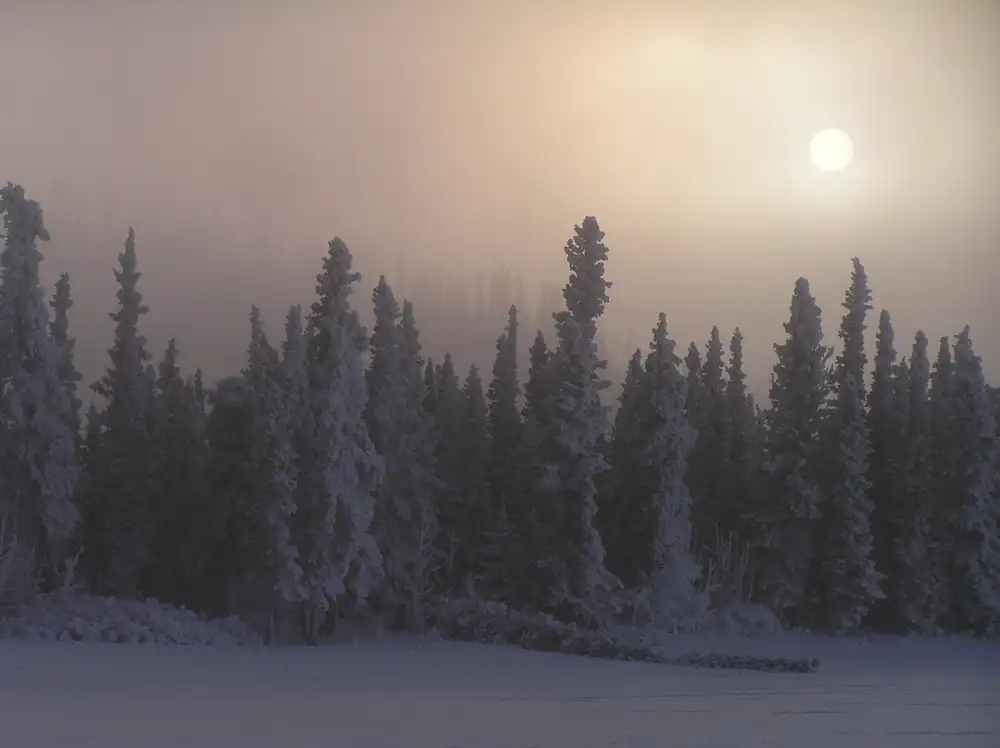
Lake Clark has two distinct climate areas: the coast and the interior. The coast is wetter and experiences milder temperatures. The interior gets half to one fourth as much precipitation, but temperatures are hotter in summer and colder in winter. Frost and snow can occur any time parkwide, but are most common from September to early June. Lakes here typically begins freezing in November and melting in April. Ice conditions dictate whether planes need floats or skis to land on lakes.
From the National Park Service (public domain).
Nearby national parks
- Kenai Fjords (Alaska): about 148 miles in a straight line
- Katmai (Alaska): about 179 miles in a straight line
- Denali (Alaska): about 188 miles in a straight line
- Wrangell-St. Elias (Alaska): about 382 miles in a straight line
There is no road from Lake Clark to another national park; you fly or take a boat between them.
Sources
Last checked 1 November 2026.
Frequently asked questions
How much does it cost to enter Lake Clark National Park & Preserve?
No entrance fee is listed for this park in National Park Service data.
What state is Lake Clark National Park & Preserve in?
Alaska.
When did Lake Clark become a national park?
December 2, 1980.
How many people visit Lake Clark?
19,778 recreation visits were counted in 2025.
When is the best time to visit Lake Clark?
June to August. July is the busiest month and September the quietest while the park is fully open.