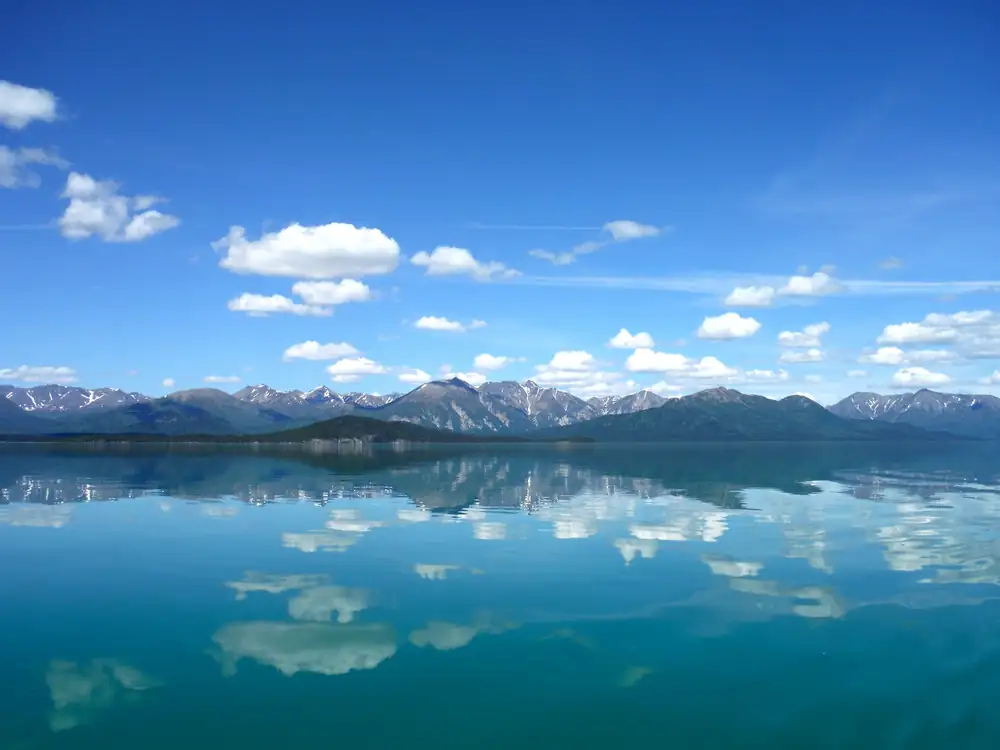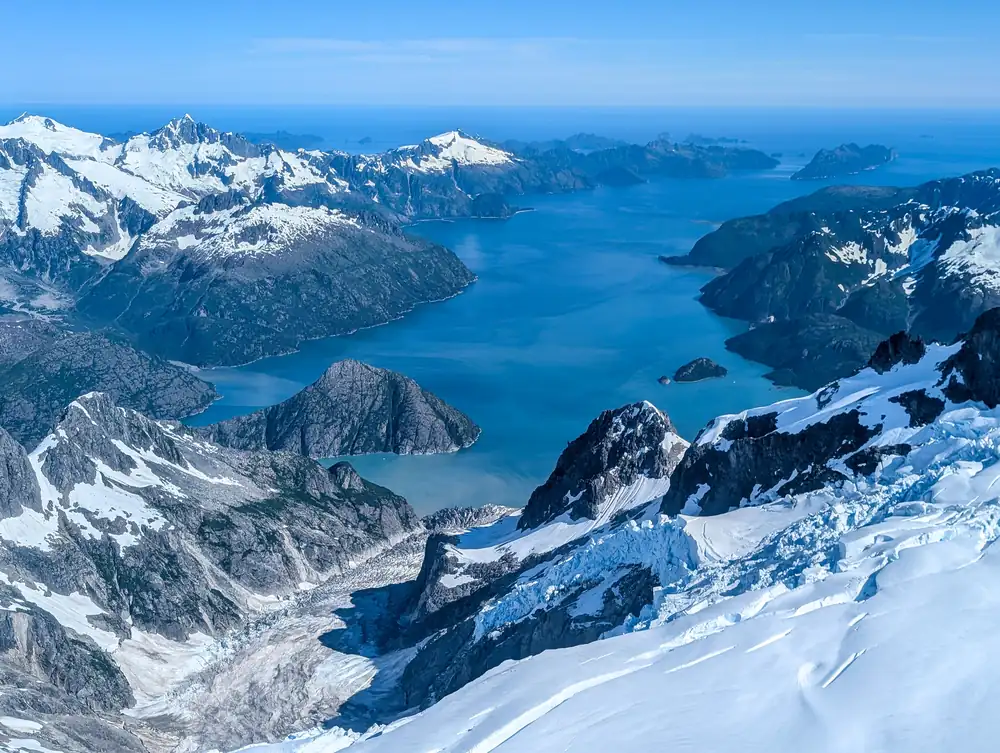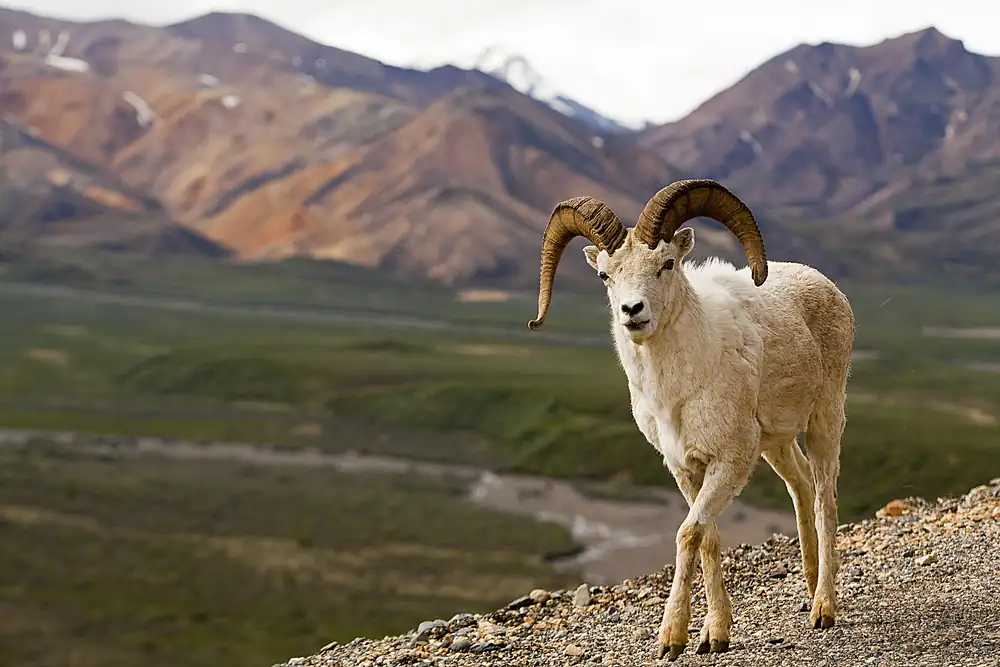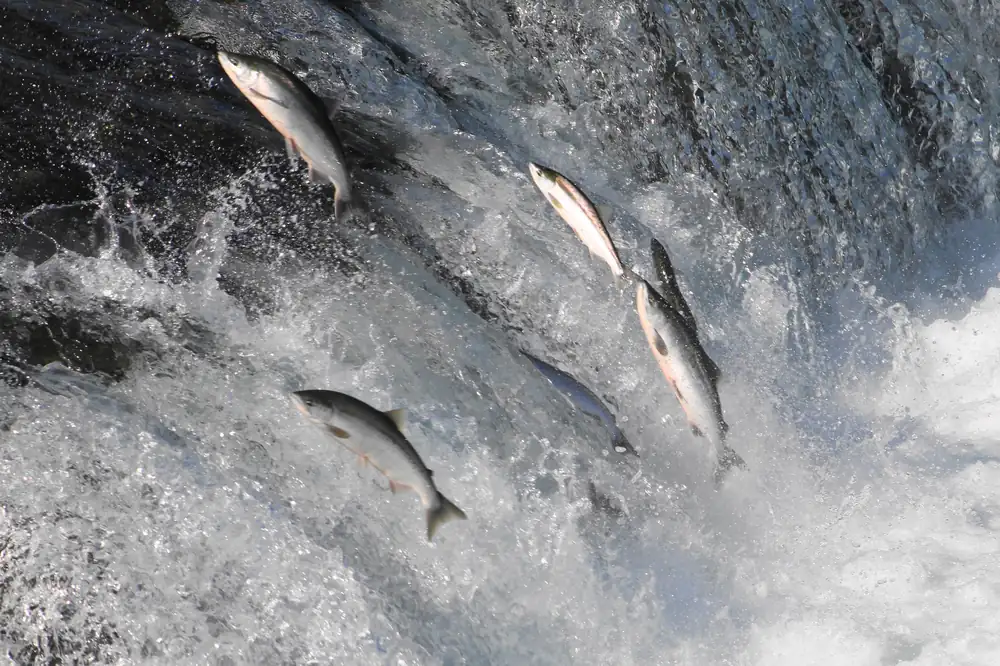
Katmai National Park & Preserve covers 3,674,529 acres in Alaska. It became a national park on December 2, 1980, the 42nd of today’s 64 parks to get that title. It recorded 34,479 recreation visits in 2025, the 59th most of the 63 parks with a 2025 count.
Today at Katmai
LiveLoading the forecast…
Checking park alerts…
Alerts: National Park Service, checked hourly. Forecast: National Weather Service, for the middle of the park. Always confirm on the official park site before you set out.

In the park service’s words
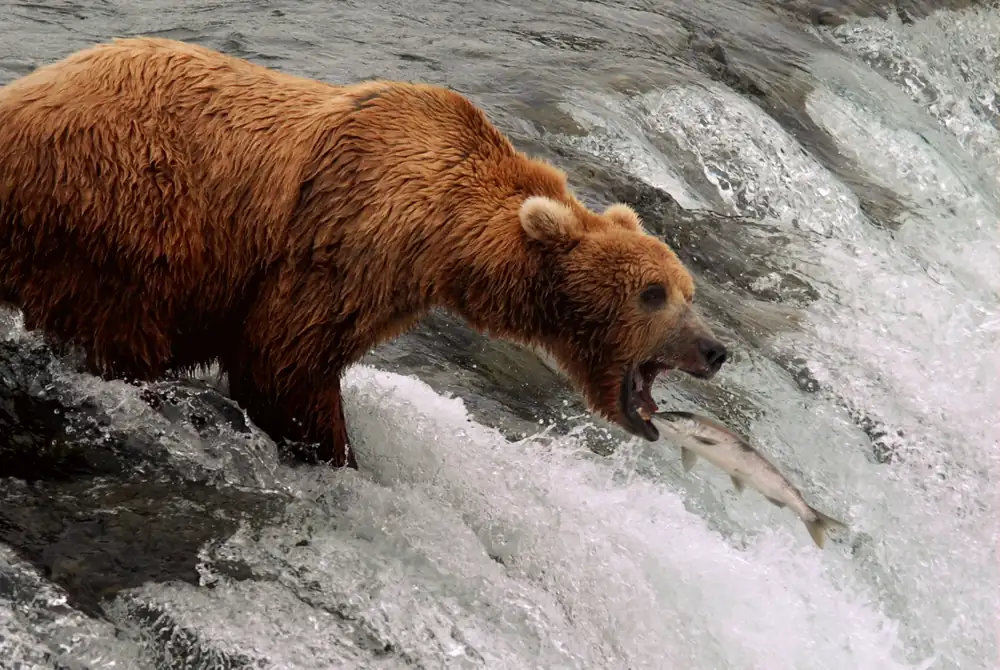
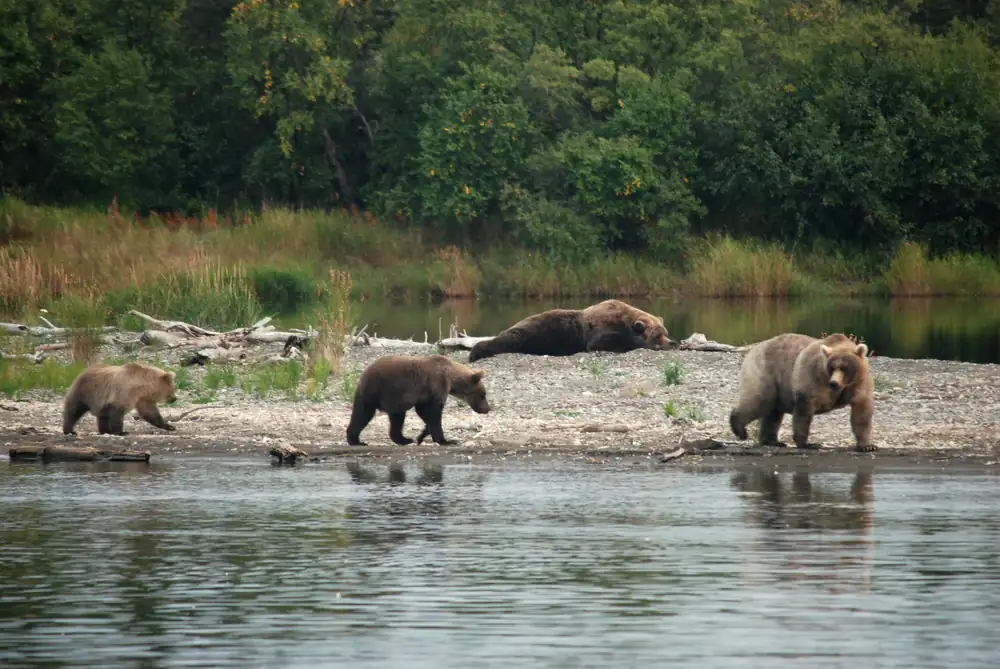
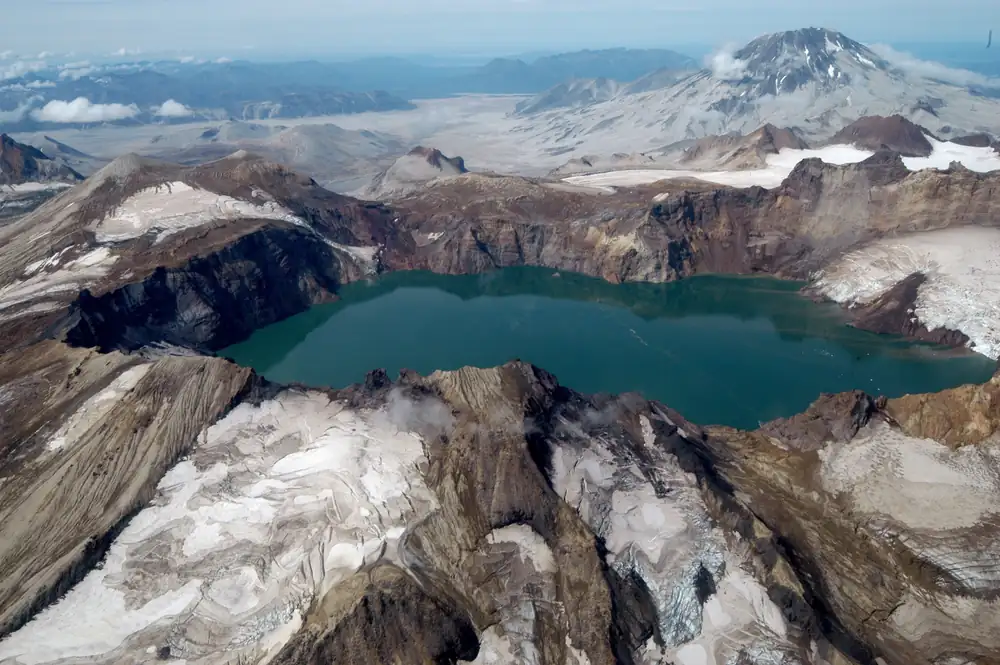
A landscape is alive underneath our feet, filled with creatures that remind us what it is to be wild. Katmai was established in 1918 to protect the volcanically devastated region surrounding Novarupta and the Valley of Ten Thousand Smokes. Today, Katmai National Park and Preserve also protects 9,000 years of human history and important habitat for salmon and thousands of brown bears.
From the National Park Service (public domain).
Entrance fee and passes
No entrance fee is listed for this park in National Park Service data. You do not need a pass to enter. Parking, ferry, boat or other transport fees can still apply.
Best time to visit
- Best time to visit Katmai: July to September. The weather is at its most comfortable then, and crowds are lighter than at the peak.
- Busiest month: July, with about 13,283 visits in a typical recent year. That is 3.0 times as many as June.
- Quietest month: January (20 visits), when weather or closures keep most people away.
Bar height: visitors that month, compared with the busiest month. Temperatures: average daily high and low (°F); rain and snow: monthly averages. Best marks the months we suggest.
More detail: the best time to visit Katmai, month by month.
Plan your visit
- Best time to visit: crowds and weather month by month
- Itinerary: a ready-made day
- Things to do: 1 hikes and 8 other activities
- Camping, RVs and lodging: 1 campgrounds, 1 lodges
- Getting there: closest airport King Salmon Airport (59 mi)
- Know before you go: safety, what to pack and what to leave at home
Popular hikes
- Hike to Dumpling Overlook: Dumpling Overlook offers expansive panoramic views of Naknek Lake, Brooks River, and Lake Brooks. Visitors also have the option to continue beyond the maintained trail to the summit.
Webcams
- Riffles BearCam (live video)
- Brooks Falls Low (live video)
- Dumpling Mountain Cam (live video)
- Naknek River Cam (live video)
- Brooks Falls Bearcam (live video)
- River Watch Cam (live video)
Weather, in the park service’s words
The park service says:
Located between the stormy north Pacific Ocean and the even stormier Bering Sea, the Katmai region is often a battleground between weather systems. When you visit, be prepared to encounter all types of weather. On average, wet and cool conditions predominate in spring, summer, and fall. Winters are drier and colder.
From the National Park Service (public domain).
Nearby national parks
- Lake Clark (Alaska): about 179 miles in a straight line
- Kenai Fjords (Alaska): about 213 miles in a straight line
- Denali (Alaska): about 366 miles in a straight line
- Wrangell-St. Elias (Alaska): about 483 miles in a straight line
There is no road from Katmai to another national park; you fly or take a boat between them.
Sources
Last checked 1 November 2026.
Frequently asked questions
How much does it cost to enter Katmai National Park & Preserve?
No entrance fee is listed for this park in National Park Service data.
What state is Katmai National Park & Preserve in?
Alaska.
When did Katmai become a national park?
December 2, 1980.
How many people visit Katmai?
34,479 recreation visits were counted in 2025.
When is the best time to visit Katmai?
July to September. July is the busiest month and June the quietest while the park is fully open.