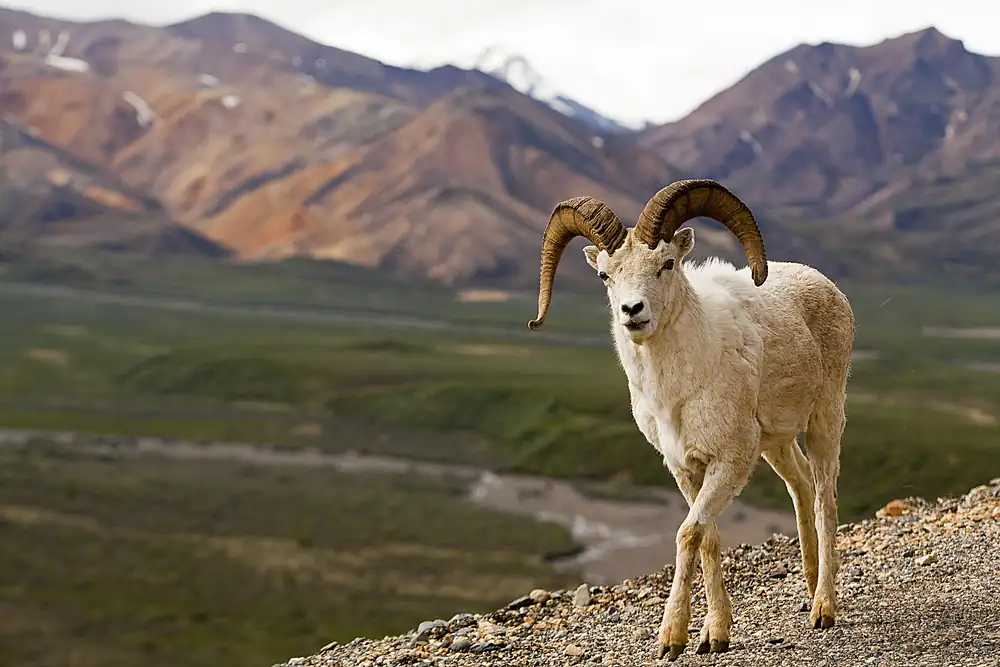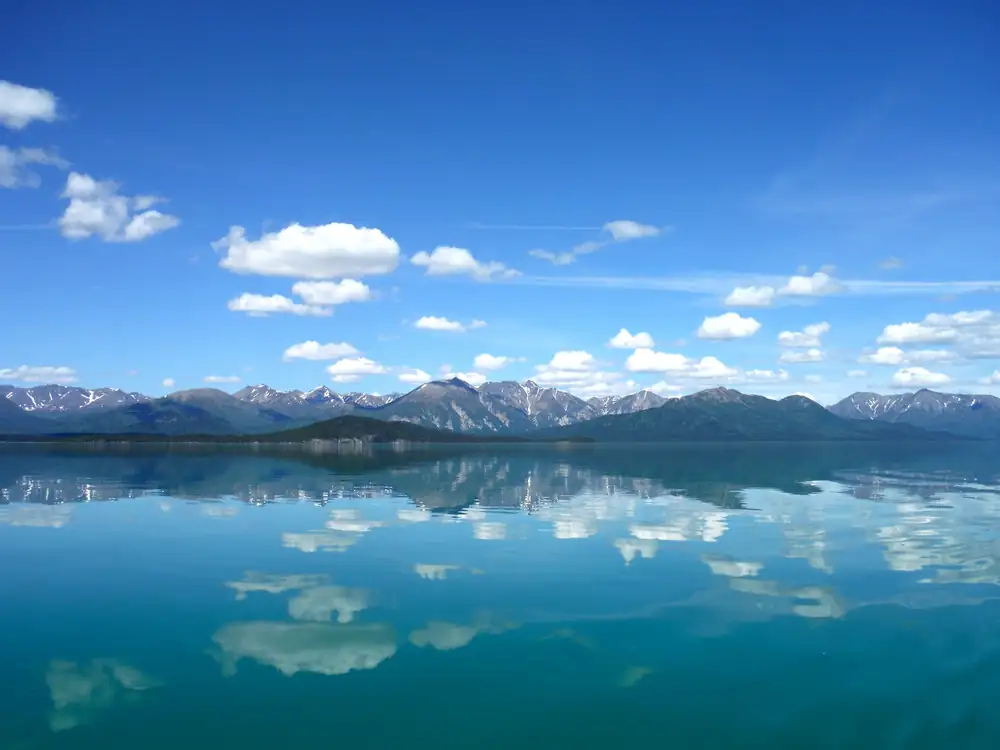
Gates of the Arctic National Park & Preserve covers 7,523,897 acres in Alaska. It became a national park on December 2, 1980, the 42nd of today’s 64 parks to get that title. It recorded 14,923 recreation visits in 2025, the 62nd most of the 63 parks with a 2025 count.
Today at Gates of the Arctic
LiveLoading the forecast…
Checking park alerts…
Alerts: National Park Service, checked hourly. Forecast: National Weather Service, for the middle of the park. Always confirm on the official park site before you set out.
In the park service’s words
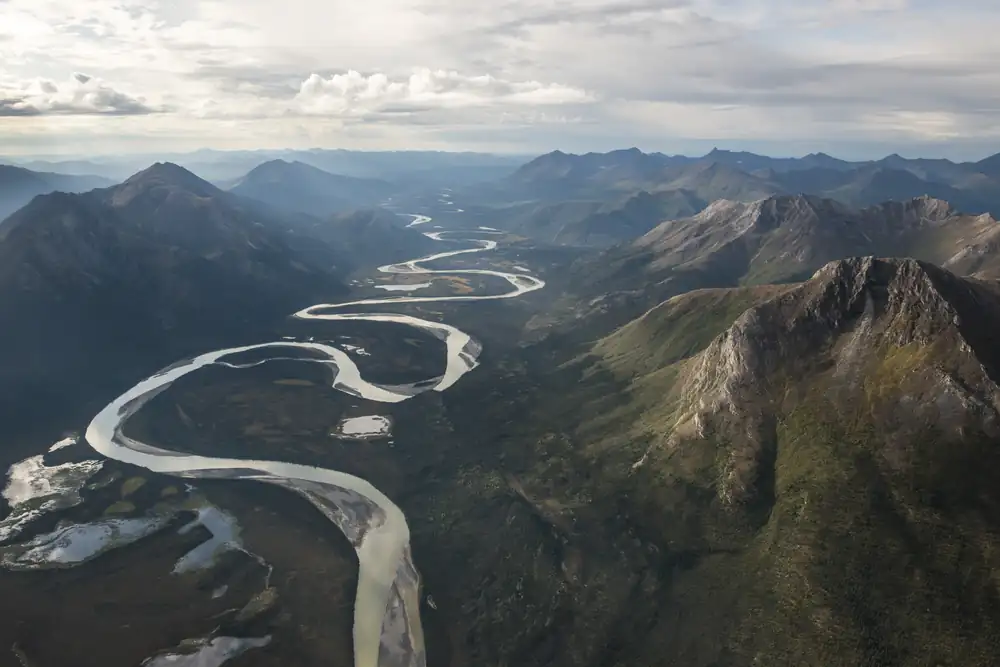
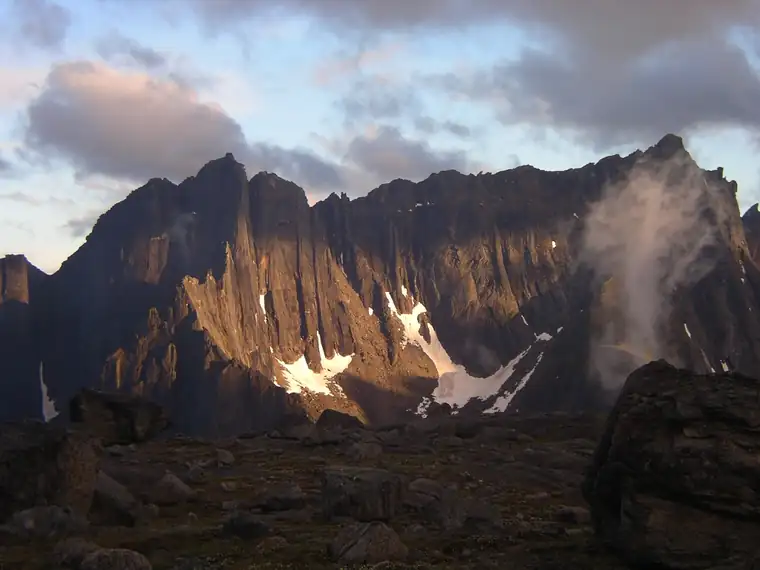
This vast landscape does not contain any roads or trails. Visitors discover intact ecosystems where people have lived with the land for over ten thousand years. Wild rivers meander through glacier-carved valleys, caribou migrate along age-old trails, endless summer light fades into aurora-lit night skies of winter. Virtually unchanged, except by the forces of nature.
From the National Park Service (public domain).
Entrance fee and passes
No entrance fee is listed for this park in National Park Service data. You do not need a pass to enter. Parking, ferry, boat or other transport fees can still apply.
Best time to visit
- Best time to visit Gates of the Arctic: June to September. These are the months when most of the park is reachable, outside the busiest weeks.
- Busiest month: July, with about 3,510 visits in a typical recent year. That is 2.5 times as many as September.
- Quietest month: January (0 visits), when weather or closures keep most people away.
Bar height: visitors that month, compared with the busiest month. Best marks the months we suggest.
More detail: the best time to visit Gates of the Arctic, month by month.
Plan your visit
- Best time to visit: crowds and weather month by month
- Things to do: 1 hikes and 1 other activities
- Getting there: closest airport Anaktuvuk Pass Airport (48 mi)
- Know before you go: safety, what to pack and what to leave at home
Popular hikes
- Backpack the Brooks Range's Arctic Wilderness: Traveling through the park on foot affords opportunities of exploration and discovery. Mountain ridges and passes reveal splendid vistas and can take you to the most remote and least traveled areas of the entire National Parks system.
Weather, in the park service’s words
The park service says:
The climate of Gates of the Arctic National Park & Preserve is generally classified as arctic and sub-arctic, with exceptionally cold winters, relatively mild summers, low annual precipitation, and generally high winds. The weather is influenced by many different systems, and can change rapidly.!!
From the National Park Service (public domain).
Nearby national parks
- Kobuk Valley (Alaska): about 158 miles in a straight line
- Denali (Alaska): about 318 miles in a straight line
- Lake Clark (Alaska): about 471 miles in a straight line
- Kenai Fjords (Alaska): about 554 miles in a straight line
There is no road from Gates of the Arctic to another national park; you fly or take a boat between them.
Sources
Last checked 1 November 2026.
Frequently asked questions
How much does it cost to enter Gates of the Arctic National Park & Preserve?
No entrance fee is listed for this park in National Park Service data.
What state is Gates of the Arctic National Park & Preserve in?
Alaska.
When did Gates of the Arctic become a national park?
December 2, 1980.
How many people visit Gates of the Arctic?
14,923 recreation visits were counted in 2025.
When is the best time to visit Gates of the Arctic?
June to September. July is the busiest month and September the quietest while the park is fully open.