Biscayne National Park covers 172,971 acres in Florida. It became a national park on June 28, 1980, the 41st of today’s 64 parks to get that title. It recorded 486,567 recreation visits in 2025, the 41st most of the 63 parks with a 2025 count.
Today at Biscayne
LiveLoading the forecast…
Checking park alerts…
Alerts: National Park Service, checked hourly. Forecast: National Weather Service, for Dante Fascell Visitor Center. Always confirm on the official park site before you set out.
In the park service’s words
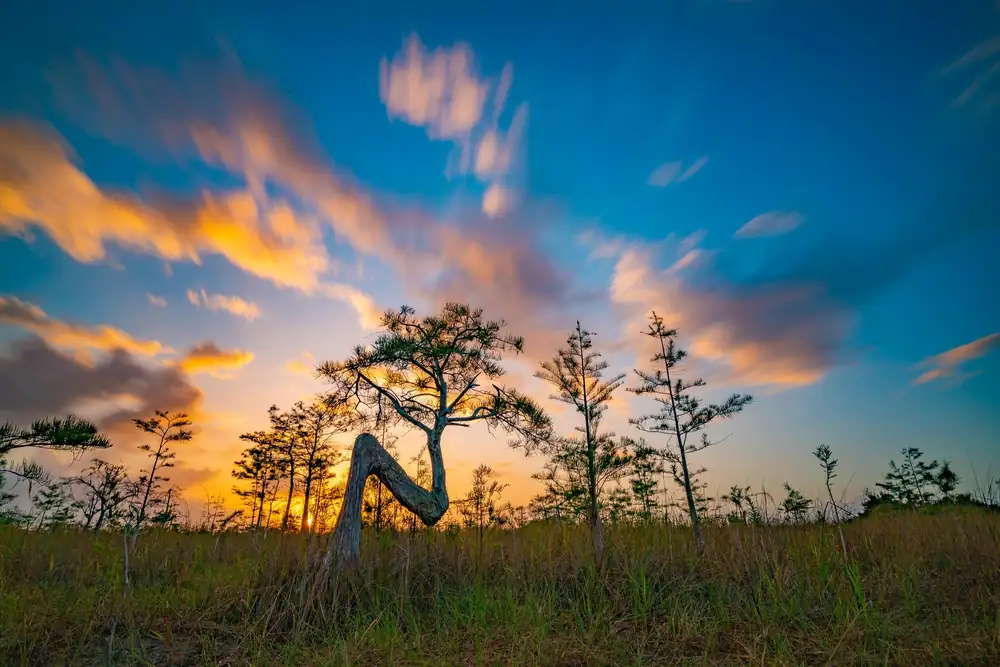
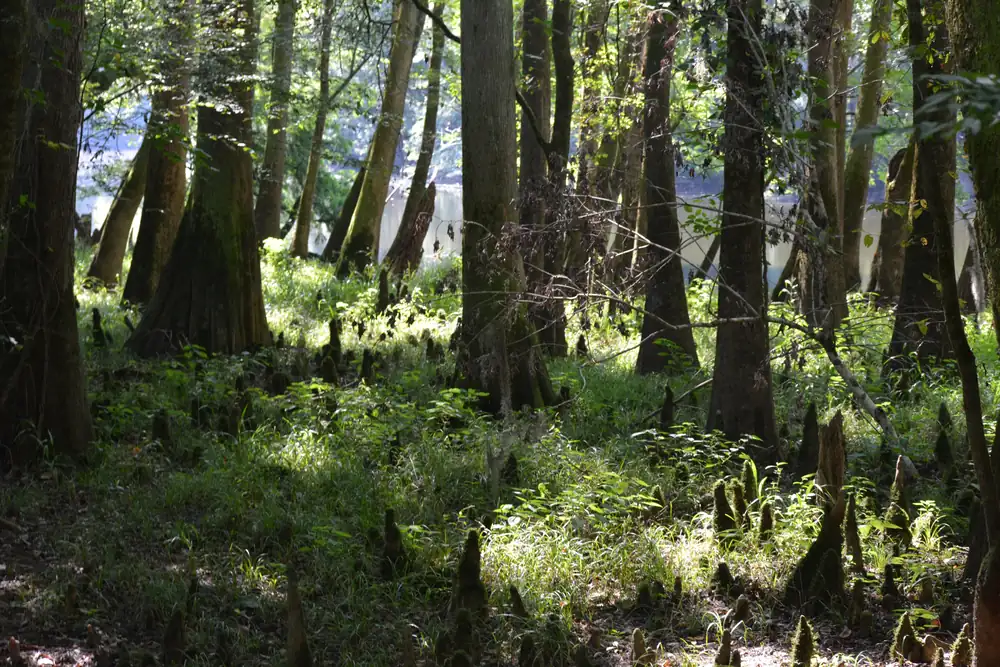
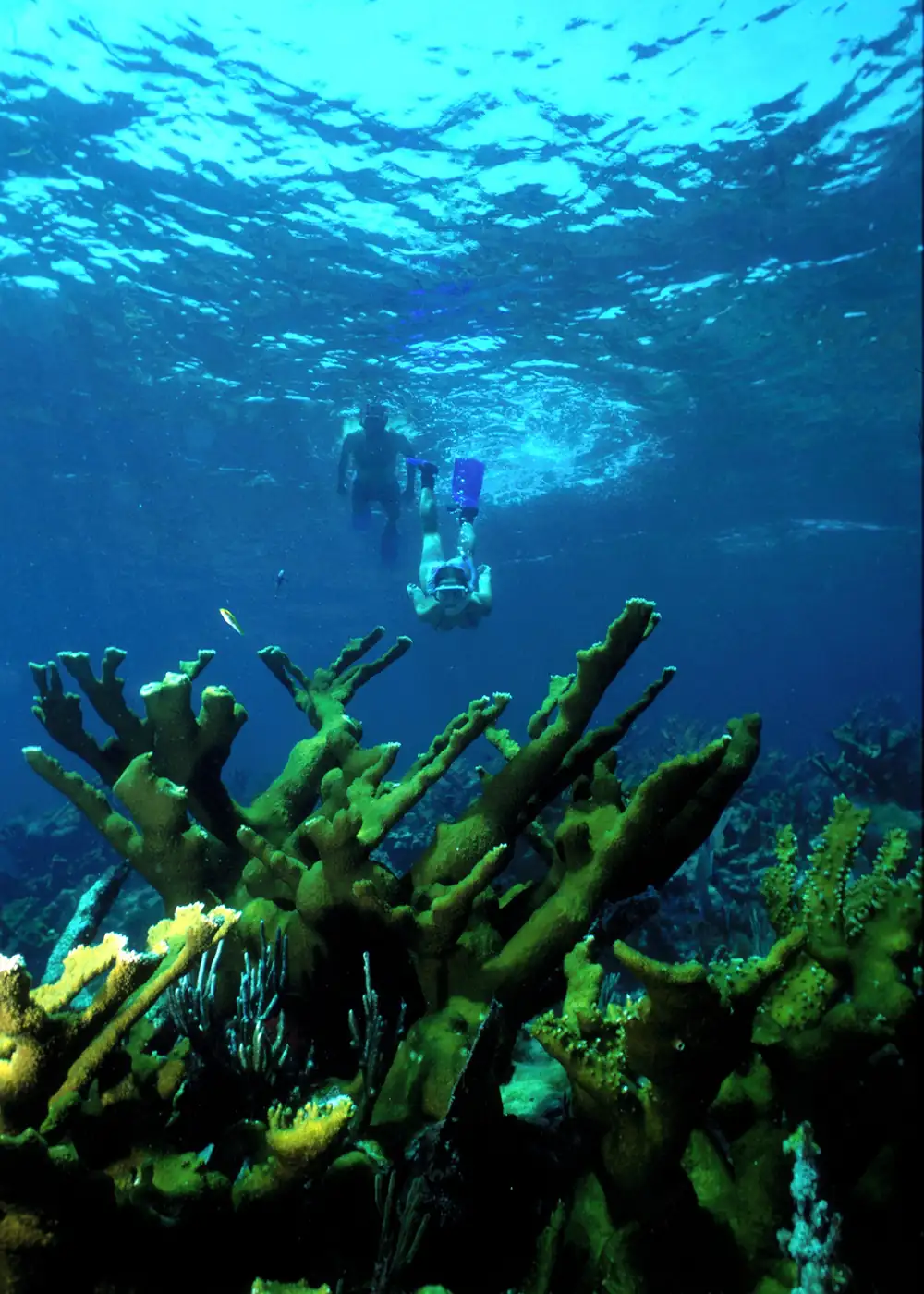
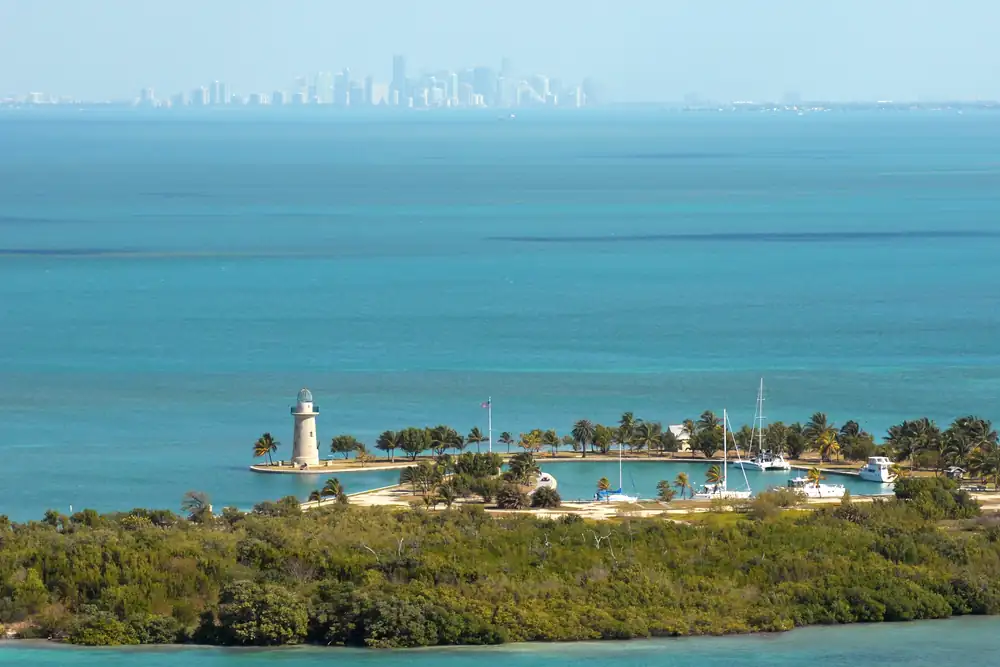
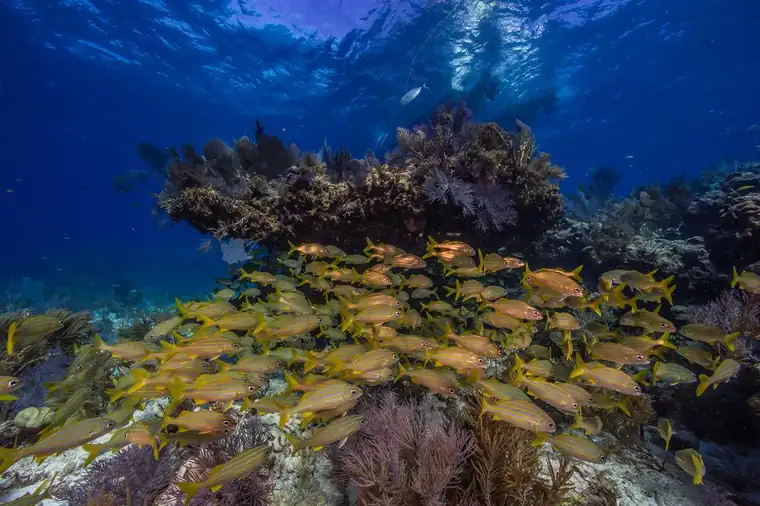
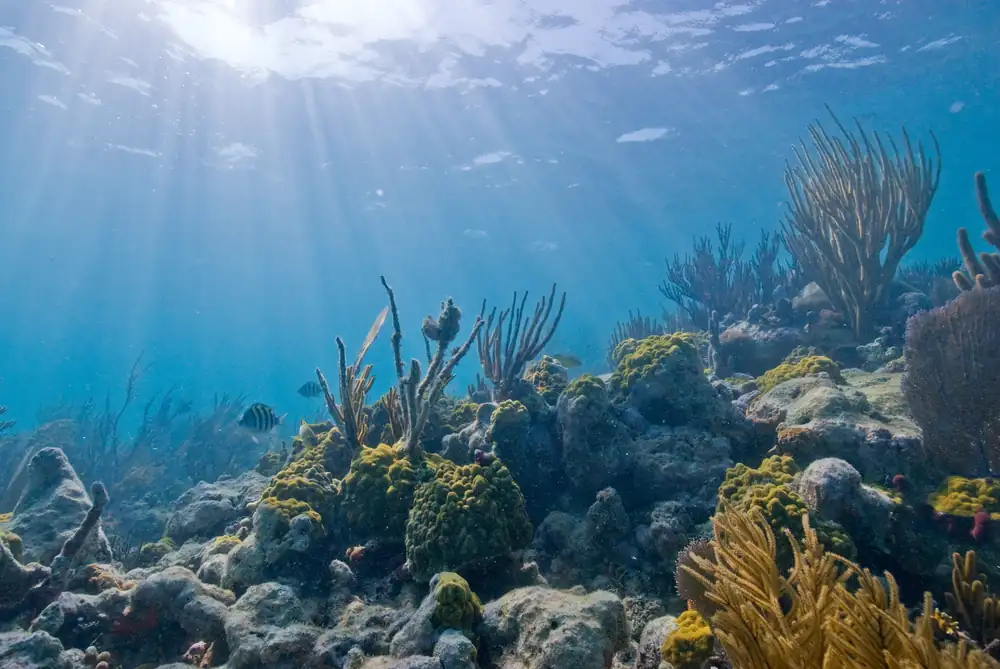
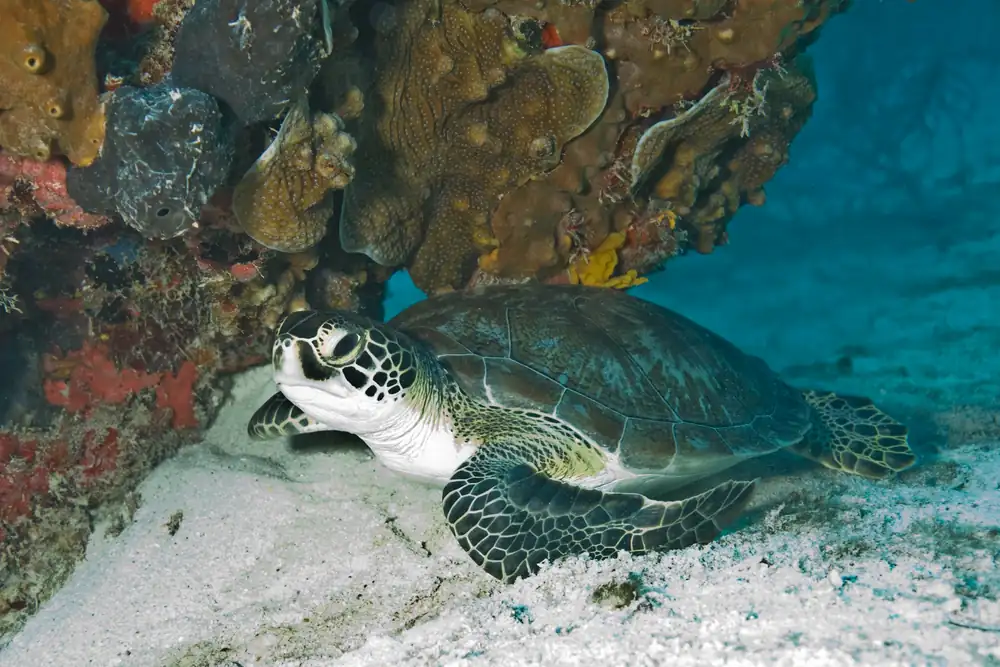
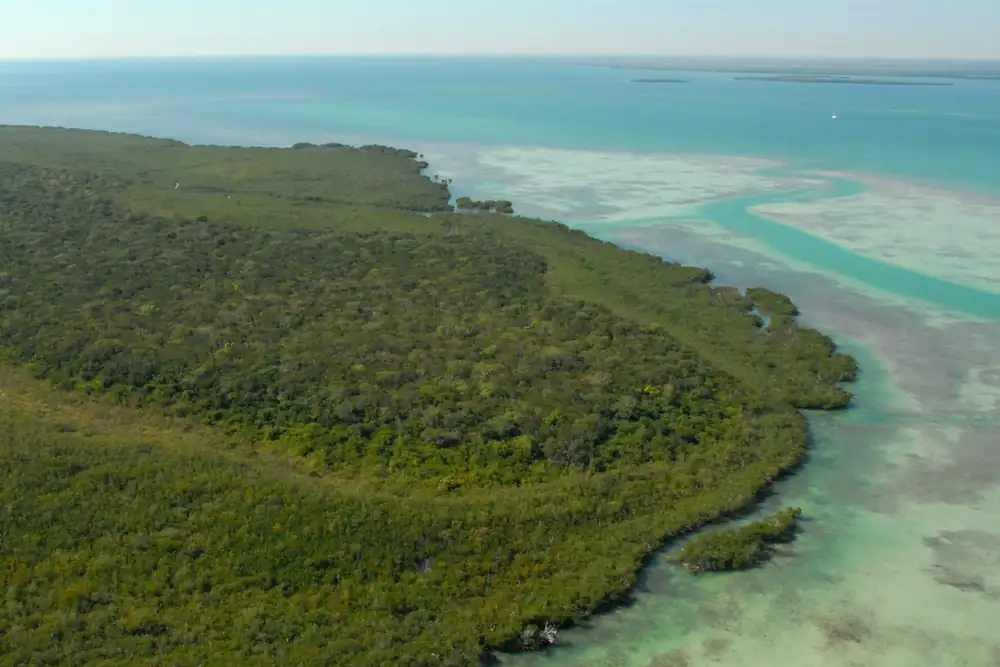
Within sight of Miami, yet worlds away, Biscayne protects a rare combination of aquamarine waters, emerald islands, and fish-bejeweled coral reefs. Evidence of 10,000 years of human history is here too; from prehistoric tribes to shipwrecks, and pineapple farmers to presidents. For many, the park is a boating, fishing, and diving destination, while others enjoy a warm breeze and peaceful scenery.
From the National Park Service (public domain).
Entrance fee and passes
No entrance fee is listed for this park in National Park Service data. You do not need a pass to enter. Parking, ferry, boat or other transport fees can still apply.
Best time to visit
- Best time to visit Biscayne: January, February, November and December. The weather is at its most comfortable then, and crowds are lighter than at the peak.
- Busiest month: July, with about 62,570 visits in a typical recent year. That is 1.9 times as many as November.
- Quietest month: November (33,591 visits).
Bar height: visitors that month, compared with the busiest month. Temperatures: average daily high and low (°F); rain and snow: monthly averages. Best marks the months we suggest.
More detail: the best time to visit Biscayne, month by month.
Plan your visit
- Best time to visit: crowds and weather month by month
- Things to do: 0 hikes and 5 other activities
- Camping, RVs and lodging: 2 campgrounds
- Getting there: Nearest gas to Dante Fascell Visitor Center: Chevron, 4.9 miles away. Closest airport Miami International Airport (22 mi)
- Know before you go: safety, what to pack and what to leave at home
Weather, in the park service’s words
The park service says:
The park is situated in a subtropical climate, which ensures sunshine year-round. Winters are normally dry and mild, with occasional fronts bringing wind and little rain. Summer brings hot and humid weather with scattered thunderstorms in the afternoons. The average temperature in January is 68 degrees Fahrenheit and 82 in July. The average rainfall for the area is 2.17 inches in January and 3.95 inches in July. June to November is hurricane season.
From the National Park Service (public domain).
Nearby national parks by road
- Everglades (Florida): about 38 min by car (19 miles)
- Congaree (South Carolina): about 12 h 40 min by car (663 miles)
- Great Smoky Mountains (North Carolina and Tennessee): about 16 h 10 min by car (853 miles)
- New River Gorge (West Virginia): about 18 h 10 min by car (967 miles)
Drive times run between the closest visitor centers of each pair, estimated with OSRM routing on OpenStreetMap roads. Link several parks with the road trip planner.
Sources
Last checked 1 November 2026.
Frequently asked questions
How much does it cost to enter Biscayne National Park?
No entrance fee is listed for this park in National Park Service data.
What state is Biscayne National Park in?
Florida.
When did Biscayne become a national park?
June 28, 1980.
How many people visit Biscayne?
486,567 recreation visits were counted in 2025.
When is the best time to visit Biscayne?
January, February, November and December. July is the busiest month and November the quietest while the park is fully open.