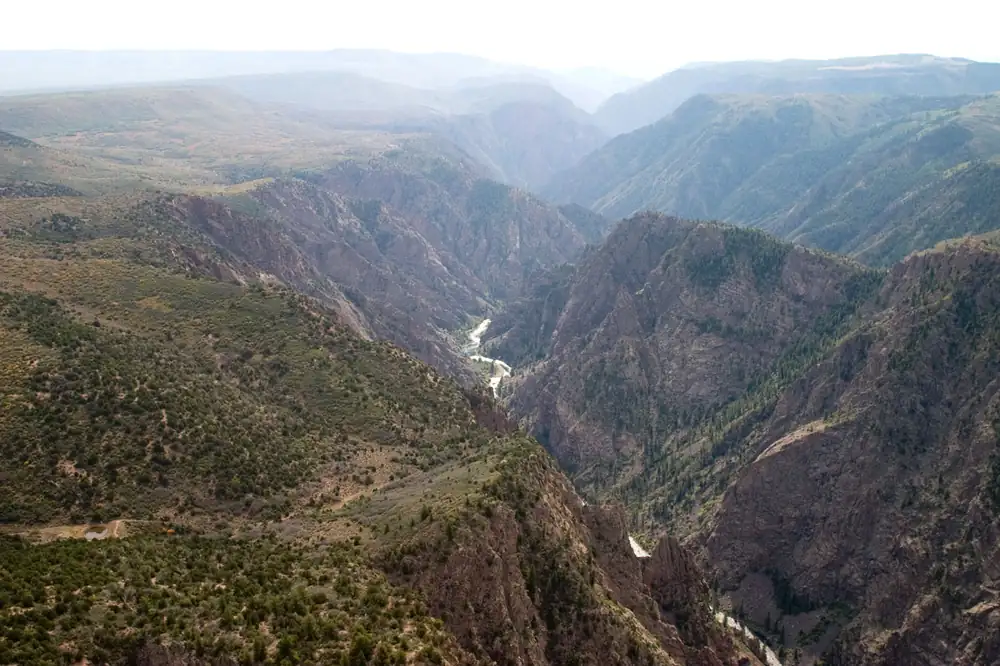
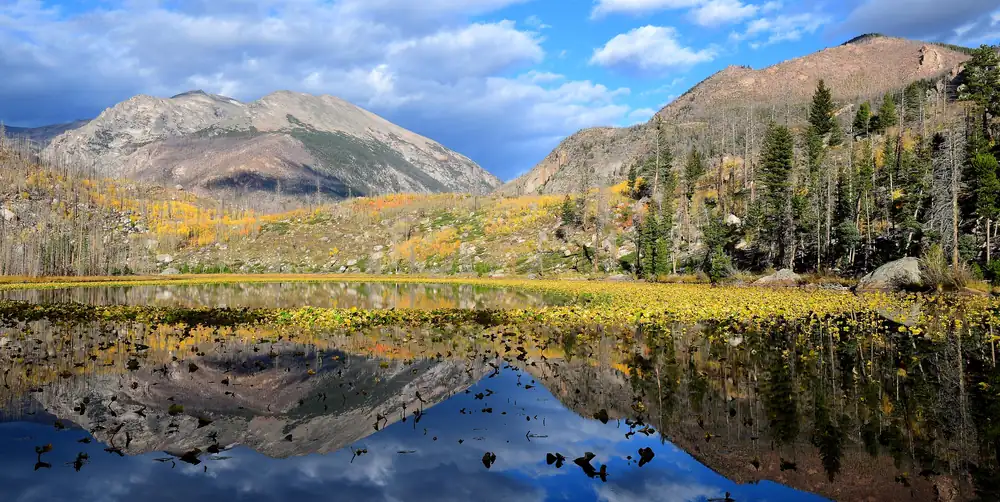
Great Sand Dunes National Park & Preserve covers 107,346 acres in Colorado. It became a national park on September 24, 2004, the 58th of today’s 64 parks to get that title. It recorded 432,498 recreation visits in 2025, the 44th most of the 63 parks with a 2025 count.
Today at Great Sand Dunes
LiveLoading the forecast…
Checking park alerts…
Alerts: National Park Service, checked hourly. Forecast: National Weather Service, for Great Sand Dunes Visitor Center. Always confirm on the official park site before you set out.
In the park service’s words
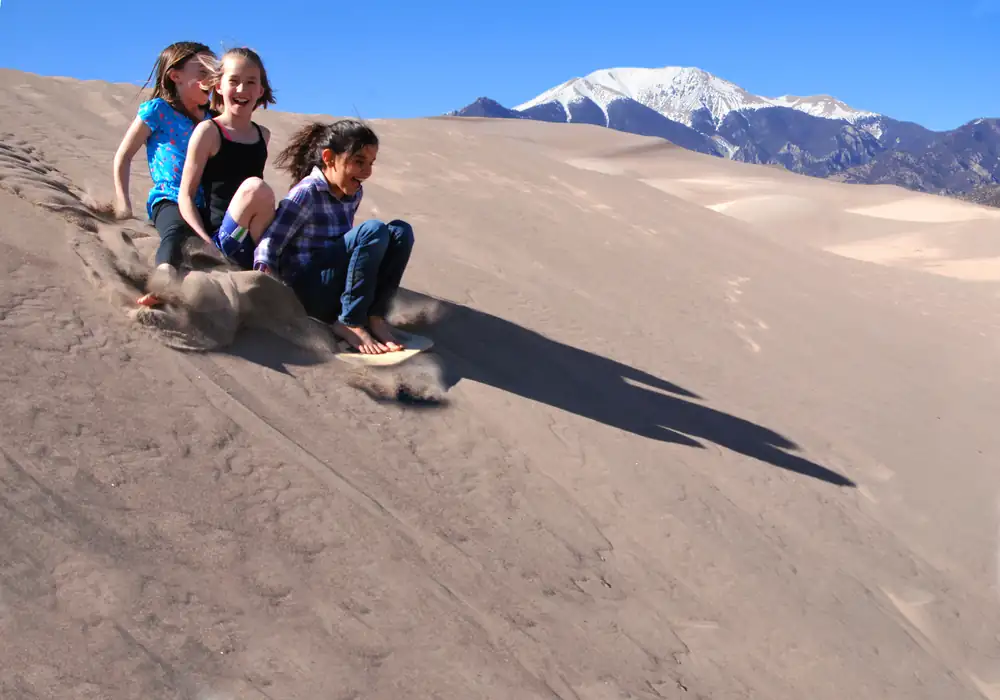
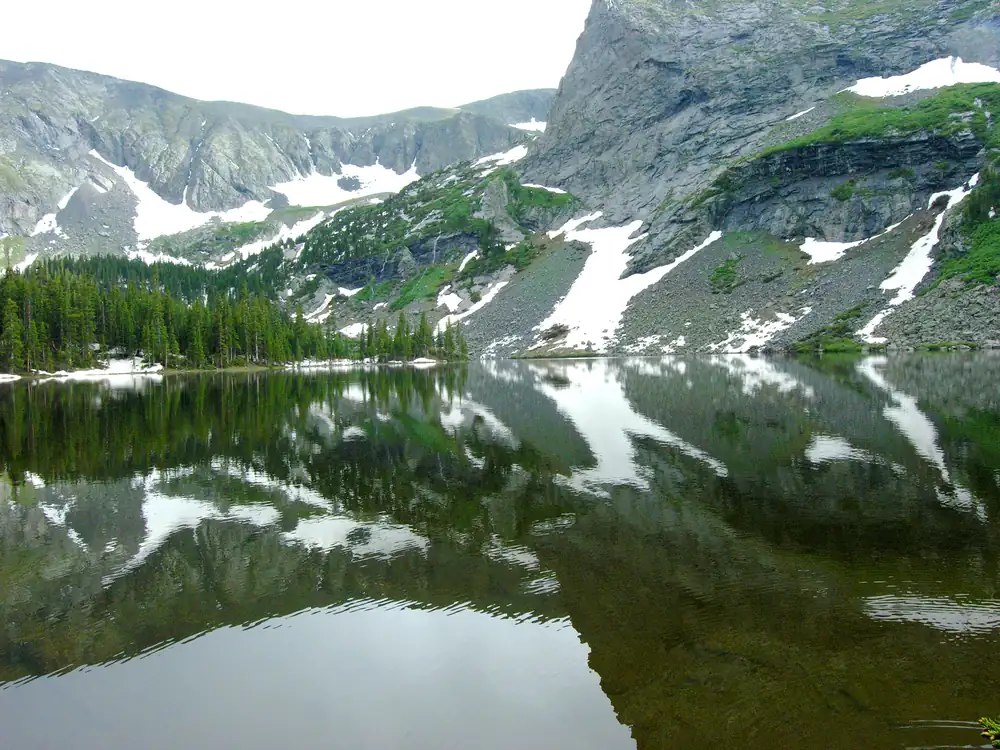
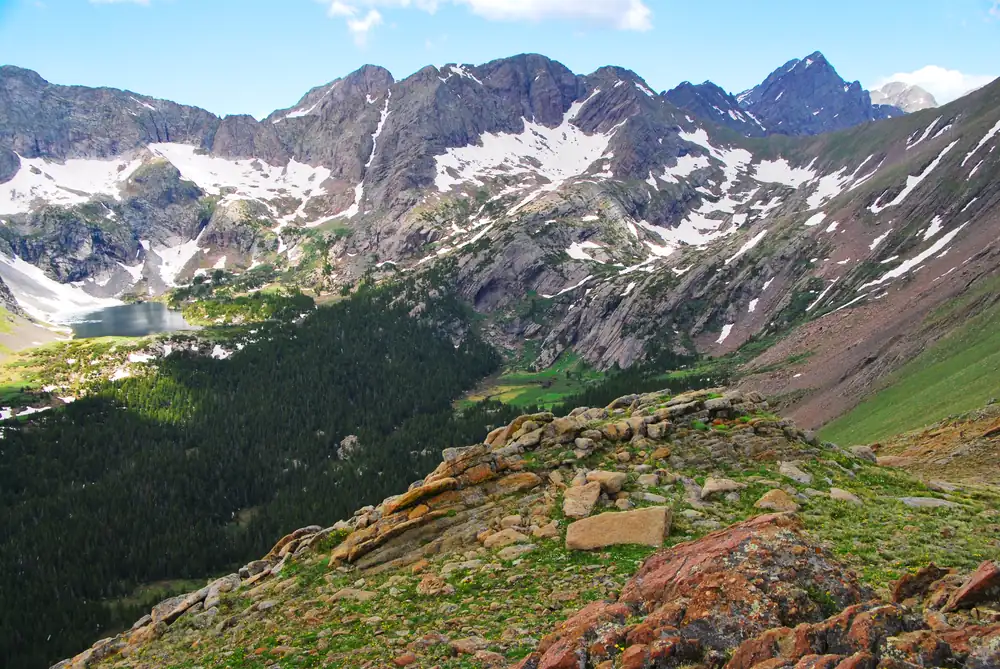
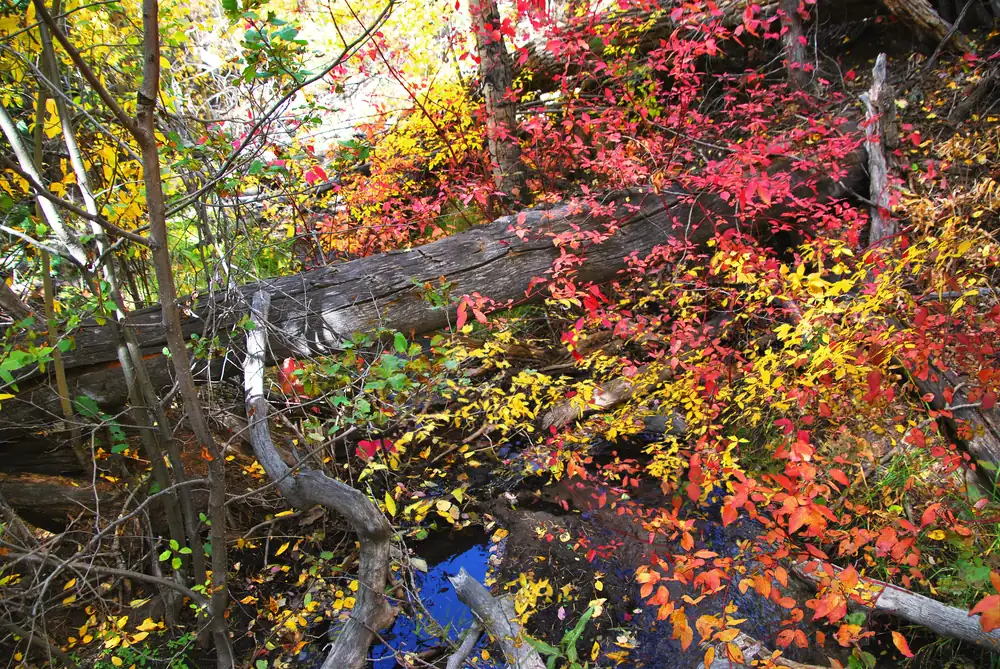
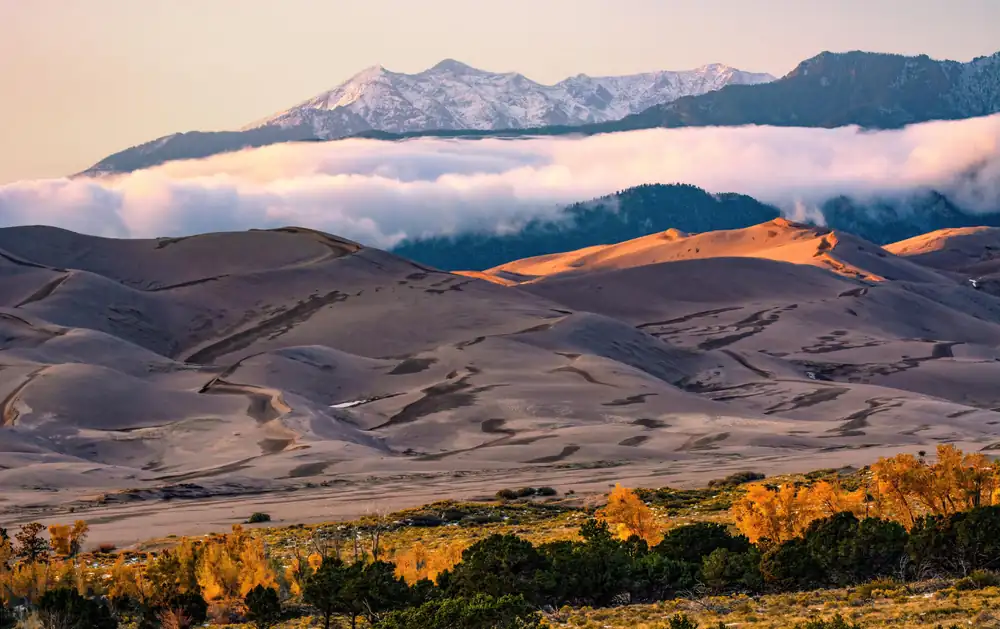
The tallest dunes in North America are the centerpiece in a diverse landscape of grasslands, wetlands, forests, alpine lakes, and tundra. Stay on a moonless night to experience countless stars in this International Dark Sky Park! Open 24 hours a day, 7 days a week year-round. There are no timed entries or reservations to visit.
From the National Park Service (public domain).
Entrance fee and passes
The standard entrance pass is $25 per vehicle. Fees are charged only when the entrance station is open in the spring, summer, and fall seasons or when the visitor center is open in the winter season. Fees can be paid by cash, check, or credit card. Passes may also be purchased in advance online through recreation.gov .
The $80 America the Beautiful pass for U.S. residents covers this fee and everyone in your car. It pays for itself after 4 visits at this price, and it is accepted at every national park.
Entrance is free for U.S. residents on the 2026 fee-free days.
Best time to visit
- Best time to visit Great Sand Dunes: May and August to October. The weather is at its most comfortable then, and crowds are lighter than at the peak.
- Busiest month: June, with about 85,527 visits in a typical recent year. That is 3.5 times as many as March.
- Quietest month: January (5,744 visits), when weather or closures keep most people away.
Bar height: visitors that month, compared with the busiest month. Temperatures: average daily high and low (°F); rain and snow: monthly averages. Best marks the months we suggest.
More detail: the best time to visit Great Sand Dunes, month by month.
Plan your visit
- Best time to visit: crowds and weather month by month
- Itinerary: a ready-made day
- Things to do: 4 hikes and 4 other activities
- Camping, RVs and lodging: 3 campgrounds
- Getting there: Nearest gas to Entrance Station: Oasis, 2.7 miles away. Closest airport San Luis Valley Regional Airport/Bergman Field (29 mi)
- Know before you go: safety, what to pack and what to leave at home
Popular hikes
- Explore the Dunes: Explore the tallest dunes in North America! The centerpiece of Great Sand Dunes National Park and Preserve is the 30-square-mile (78-square-km) dunefield, featuring the tallest dunes in North America. Because there are no trails, you can venture out anywhere you'd like to discover unusual insects, plants, wildlife trac
- Hike Montville Nature Trail or Mosca Pass Trail (30 to 240 Minutes): Just above the dunefield are montane woodlands of pinon and ponderosa pine, subalpine aspen and conifer forests, alpine lakes and rugged mountains over 13,000 feet (4,000 m) in elevation. The easiest access to forest in the national park is on the Montville Nature Trail and Mosca Pass Trail.
- Hike Medano Lake and Mount Herard (8 to 12 Hours): Take your 4WD vehicle around the dunes and up to Medano Pass, hike to a small alpine lake, then continue to the summit of 13,297 ft (4,053 m) Mount Herard for an aerial perspective on the entire dunefield! This is a physically demanding but incredibly rewarding way to experience many of Great Sand Dunes National Park a
- Hike Sand Creek Lakes (10 to 15 Hours): Sand Creek Lakes are part of the alpine watershed of Great Sand Dunes National Preserve. A longer drive and hike is required to reach these lakes, but the mountain scenery is worth the effort. Check with a ranger for conditions before travel. Snow may block these trails from November into June.
Weather, in the park service’s words
The park service says:
Temperatures are relatively cool all year at the park elevation 8000 ft. Conditions are most often calm, but winds can arise, especially in spring and during storm fronts. Daytime temperatures feel warmer here year round due to intense high-altitude sunlight, and mid-day summer sand surface temps can be 160 degrees F! Plan to explore the dunes morning or evening during summer. Nights are cool in summer, and frigid in winter. Visit https://nps.gov/grsa/planyourvisit/weather.htm for details
From the National Park Service (public domain).
Nearby national parks by road
- Black Canyon of the Gunnison (Colorado): about 4 h 30 min by car (199 miles)
- Mesa Verde (Colorado): about 4 h 40 min by car (203 miles)
- Rocky Mountain (Colorado): about 5 h 40 min by car (245 miles)
- Canyonlands (Utah): about 7 h 5 min by car (323 miles)
Drive times run between the closest visitor centers of each pair, estimated with OSRM routing on OpenStreetMap roads. Link several parks with the road trip planner.
Sources
Last checked 1 November 2026.
Frequently asked questions
How much does it cost to enter Great Sand Dunes National Park & Preserve?
The standard entrance pass is $25 per vehicle. Fees are charged only when the entrance station is open in the spring, summer, and fall seasons or when the visitor center is open in the winter season. Fees can be paid by cash, check, or credit card. Passes may also be purchased in advance online through recreation.gov .
What state is Great Sand Dunes National Park & Preserve in?
Colorado.
When did Great Sand Dunes become a national park?
September 24, 2004.
How many people visit Great Sand Dunes?
432,498 recreation visits were counted in 2025.
When is the best time to visit Great Sand Dunes?
May and August to October. June is the busiest month and March the quietest while the park is fully open.